Five Days in Porto. Northern Portugals Best-Value Escape for Fall 2026
Warm days, thinning crowds, and soft hotel rates. How to spend five days in Porto this fall, where to stay, and what it actually costs.

Everybody books Lisbon. Fewer people get on the train two and a half hours north, which is exactly why Porto in September is one of the better value trips in Europe right now. Warm days around 26 degrees, the summer crowds thinning out, and hotel rates that have not yet caught up to the citys popularity.
We spent five days walking Porto with a simple goal. Find the version of the city that locals would actually point you to, not the one that shows up on every list. Here is how to spend the time, where to sleep, and roughly what it costs.
Why September is the sweet spot
Porto is a weekend city for the rest of Europe, so it never fully empties, but September pulls the volume down without touching the weather. The Douro is still warm enough to sit beside until late, the light stretches long into the evening, and you can get a table at dinner without booking three days out.
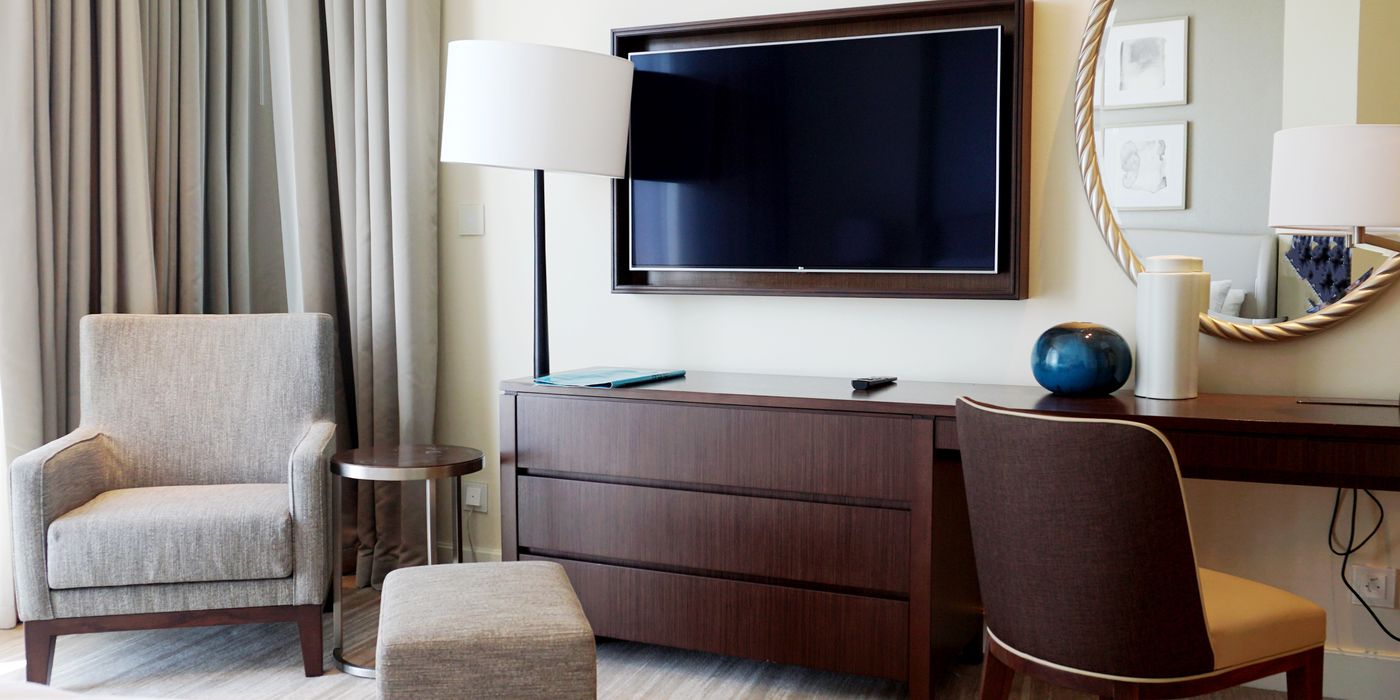
Room rates tell the story. A comfortable mid-range hotel in or near the center runs about 85 to 120 euros a night in September, down meaningfully from the July and August peak. That gap is the whole reason to come now.
Day one. Ribeira and the river
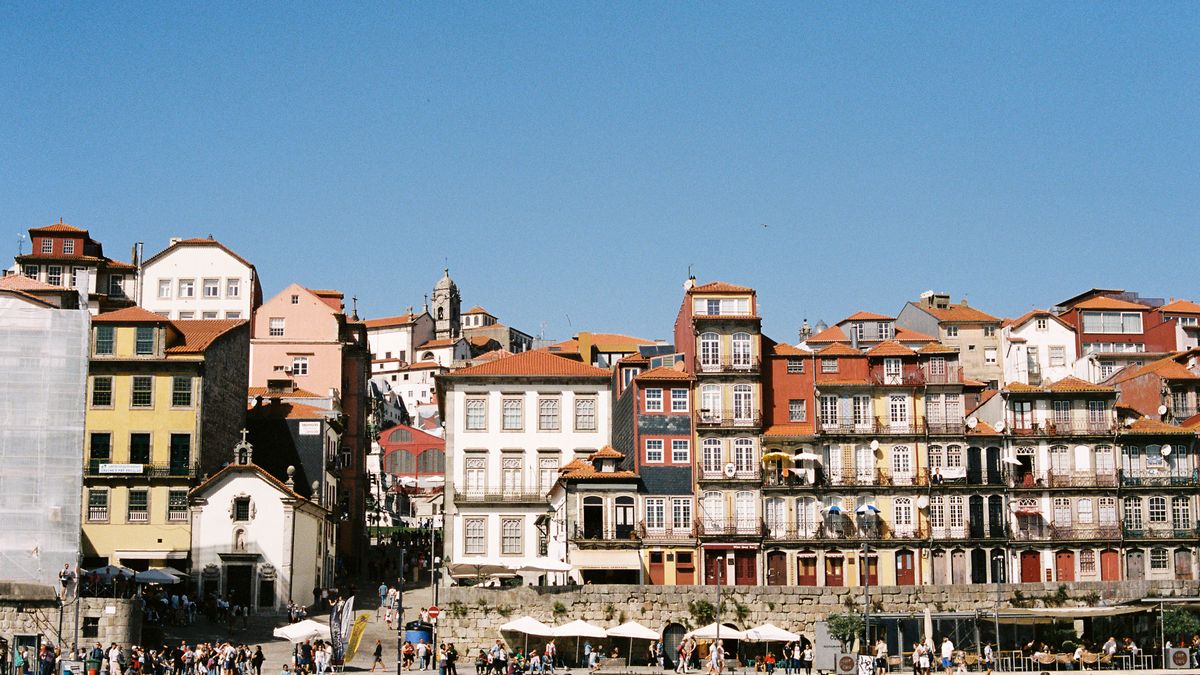
Start where the city started. Ribeira is the medieval waterfront, a UNESCO World Heritage tangle of narrow lanes and stacked houses in faded yellows and blues. It is touristy and worth it anyway. Come early, before the tour groups, and walk the Cais da Ribeira along the water.
Work up to the Dom Luis I bridge and cross the upper deck on foot. The view back at Porto from halfway across is the one that stays with you, the whole old town rising from the river in tiers. Time it for late afternoon and the light does the work.

Day two. Port wine in Gaia
The port houses are not in Porto at all. They sit across the river in Vila Nova de Gaia, where the cellars have aged port for centuries. Walk over the lower deck of the bridge and pick a cellar for a tasting. Most run guided visits with three pours for a reasonable fee, and you do not need a reservation midweek in September.
Skip the urge to do three in a row. Do one proper tasting, then sit on the Gaia waterfront with a glass and look back at the postcard. The view of old Porto from this side is better than any single sight in the city.
Day three. The neighborhoods nobody puts on the list
This is where Porto opens up. Bonfim is the citys artier, scruffier quarter, full of small galleries, natural wine bars, and prices that have not been sanded down for visitors yet. It feels lived-in rather than staged. Spend a slow afternoon there and you will eat better and pay less than you would near the river.
Then loop through Bolhao and Rua de Santa Catarina, the busy shopping street, and step into the Mercado do Bolhao, the restored covered market. Grab lunch from a counter, not a sit-down place, and you will spend a fraction of the touristed spots a few blocks south.
Day four. The famous sights, done efficiently
Some of the postcard stops earn it. Sao Bento station has an entrance hall lined with roughly 20,000 painted azulejo tiles and costs nothing to walk into. The Clerigos tower gives you a climb and a 360 over the rooftops. Livraria Lello, the ornate bookshop, is gorgeous and mobbed, so go right at opening or skip it without guilt.
For lunch, eat a francesinha at least once. It is Portos heavyweight sandwich, layered with meats, blanketed in melted cheese, and drowned in a beer and tomato sauce. It runs about 10 to 14 euros and it is a meal you will think about for the rest of the day, mostly because you cannot move.
Day five. The coast and the Douro Valley
Give the last day to one of two escapes. Foz do Douro is where the river meets the Atlantic, a breezy stretch of promenades and seafood about 20 minutes by tram from the center. It is where Porto goes on a warm afternoon.
Or go upriver. The Douro Valley, the terraced wine country that feeds the port houses, is a day trip by train or small-group tour. September catches the start of harvest, with the vines heavy and the hills turning. It is the kind of day that makes the whole trip.
What it costs and how to keep it down
Porto is still one of Western Europes affordable cities. A sit-down dinner with wine lands around 20 to 30 euros a head, a pastel de nata is under two, and a glass of the local vinho verde is a few euros. The flight and the room are where the trip is won or lost.
On the room, September timing already helps. Booking through Best stacks a little more on top, returning 10 percent of the stay as cashback. On a five-night trip at 100 euros a night, that is a free dinner or two in Bonfim. Lock the dates while shoulder-season rates are still soft and you get the city at its best for less than the summer crowd paid.
Getting there and getting around
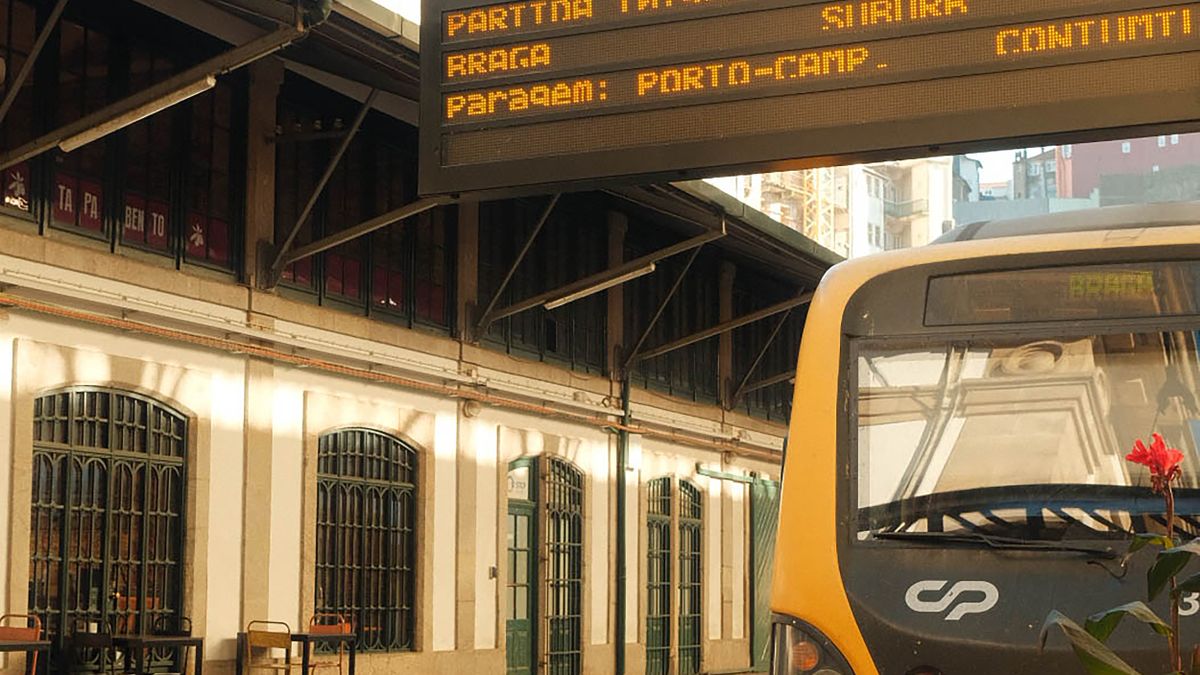
Most trips reach Porto one of two ways. From Lisbon, the train is the easy choice, a comfortable two and a half to three hours from city center to city center with no airport security in between. From farther afield, Porto has its own airport, and the metro runs from the terminal into town for the price of a regular ticket, which beats a taxi for both cost and traffic.
Once you are in, Porto rewards walking. The historic core is compact, and the best of it, Ribeira, the bridge, the main squares, is a walkable loop. Just know that walkable does not mean flat. The city climbs steeply from the river, so the day that looks like a gentle stroll on the map is really a stair workout. Wear real shoes and plan the uphill stretches for the morning.
For the longer hops, out to Foz on the coast or across to Gaia, the trams, metro, and your own two feet cover almost everything. You will not need a rental car unless you are heading into the Douro Valley, and even then a train or small tour spares you the narrow valley roads and lets you actually taste the wine.
Frequently asked questions
Is September a good time to visit Porto? It is arguably the best month. Daytime highs sit around 26 degrees, the summer crowds thin out, and hotel rates drop from the peak while the weather holds. The river is still warm enough to enjoy into the evening.
How many days do you need in Porto? Four to five days is the sweet spot. That covers Ribeira, a port tasting in Gaia, the quieter neighborhoods, the main sights, and a day trip to the coast or the Douro Valley without rushing.
Where should you stay in Porto? The center near Ribeira and Aliados puts you in walking distance of almost everything. For lower prices and a more local feel, Bonfim is a short walk out and noticeably cheaper.
Is Porto cheaper than Lisbon? Generally yes. Rooms, meals, and wine tend to run lower in Porto, and the city is smaller and easier to cover on foot, which keeps transport costs down too.
Images: Hero, Douro houses, Dom Luis bridge, and Gaia waterfront via Pexels and Wikimedia Commons, used under the Pexels license and Creative Commons. Riverfront buildings by Matt Kieffer via Wikimedia Commons.