How to Get a Quiet Hotel Room in 2026 (and Actually Sleep)
Noise is the number one hotel complaint, and almost all of it is avoidable. Here are the booking moves and front-desk asks that get you a quiet hotel room in 2026.
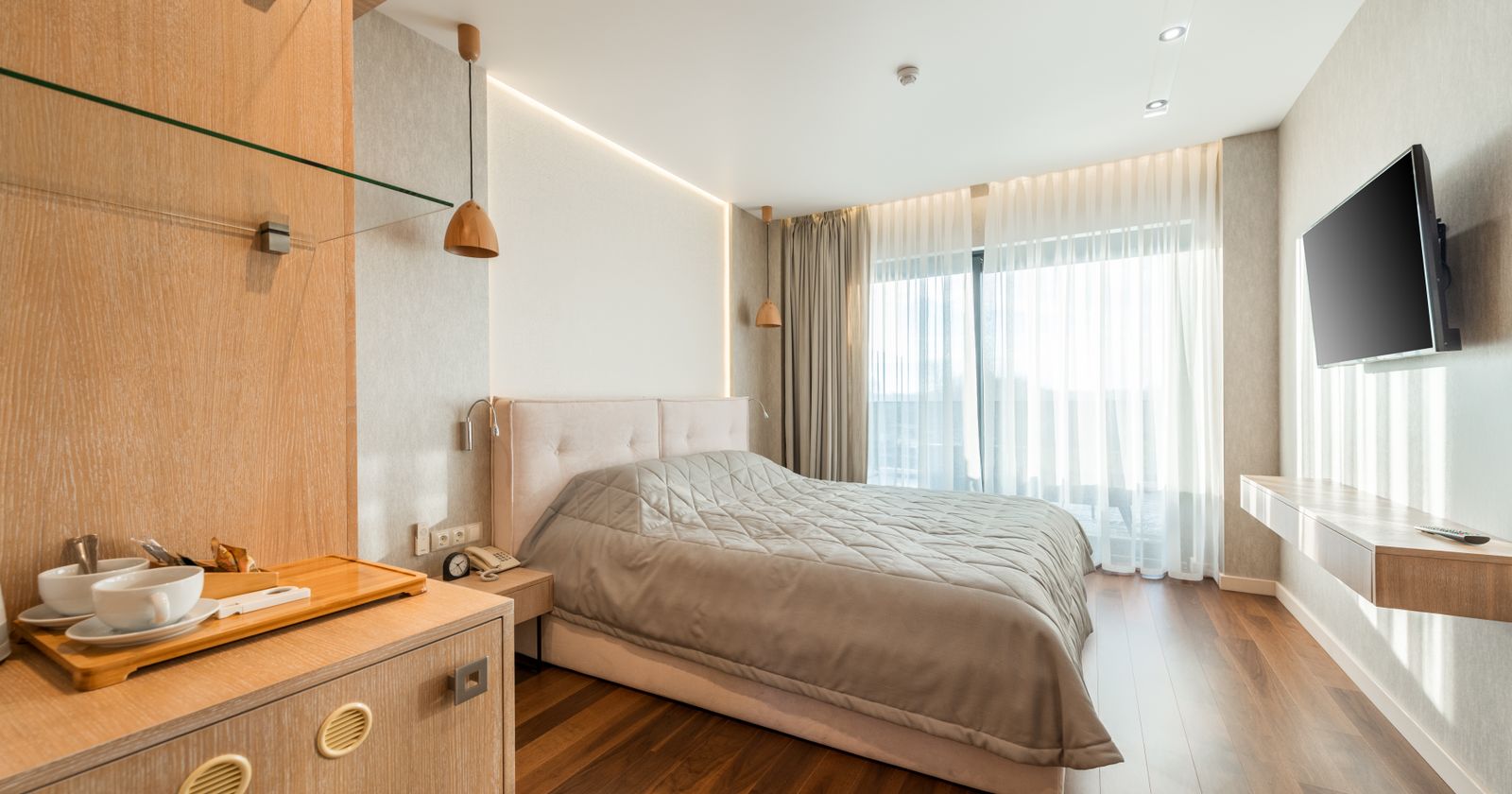
You can do everything else right. Good location, fair price, clean room. And then a slamming elevator door three feet from your headboard wrecks the whole stay. Noise is the single most common hotel complaint, and almost all of it is avoidable.
The trick is that a quiet room is rarely luck. It is a series of small choices you make before you book, while you book, and at the front desk. We have moved rooms more times than we can count, and the same moves keep working.
The noisy rooms are predictable
Hotels are not random about where the noise lives. The loud rooms cluster in the same spots in almost every property. Learn the map once and you can avoid them anywhere.
The worst offenders sit next to the elevator bank, above the lobby or bar, beside the ice and vending machines, over the parking entrance, and at the low floors facing a busy street. Rooms near the service elevator and housekeeping closets get early-morning cart traffic too.
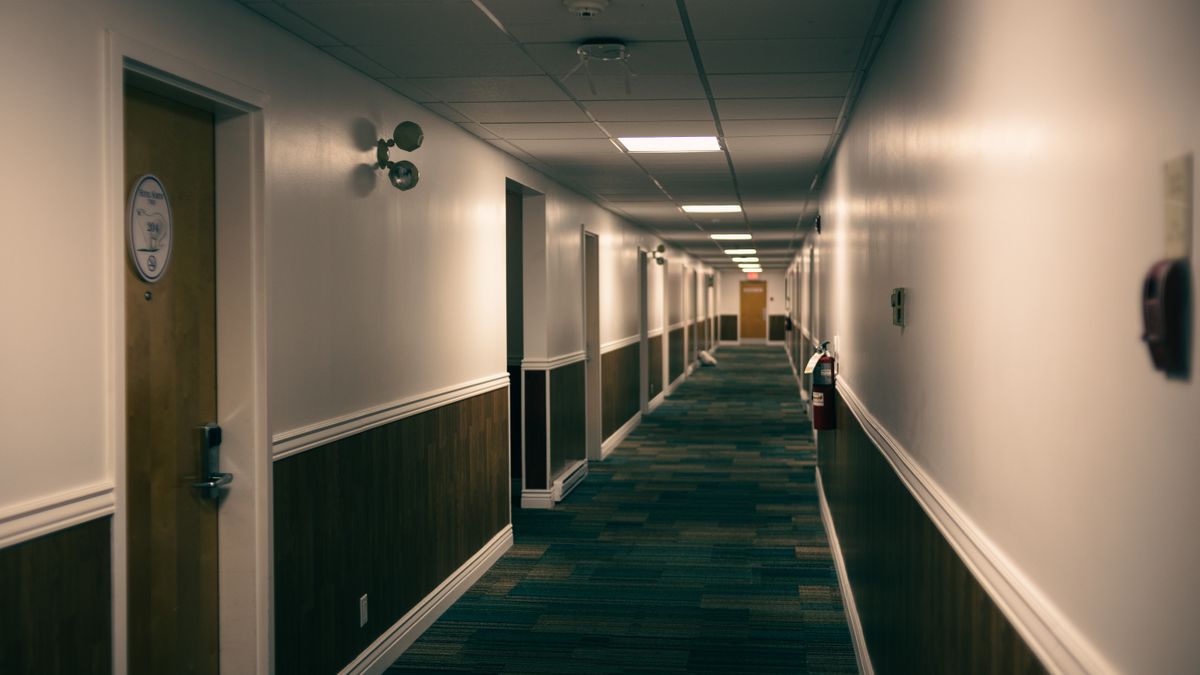
The quiet rooms are just as predictable. Higher floors, away from the elevator core, facing an interior courtyard, and toward the end of a hallway rather than the middle. End rooms have one neighbor instead of two.
Pick the right room before you pay
Quiet starts at the booking stage. When a property lists room types, the higher categories are usually deeper into the building and on better floors. You are not only paying for space. You are paying for distance from the noise.
Read recent reviews with one filter in mind. Search the words noise, street, thin walls, and elevator. If three people in the last few months mention traffic noise, believe them. One complaint can be a bad night. A pattern is the building.
Corner rooms and rooms described as facing the garden, courtyard, or pool tend to be calmer than street-facing or city-view rooms. A great view of a busy avenue is a great view of a sound source.
The room request that actually works
Here is the request to add to your reservation, and to repeat at check-in. Ask for a high floor, away from the elevator, at the end of the hall, on the quiet or courtyard side.
Make the request specific and friendly, because the front desk grants specific friendly requests far more often than vague ones. "A quiet room please" gives the agent nothing to act on. "High floor, away from the elevator, end of the hall if possible" gives them a checklist.
Timing matters too. Add the note when you book so it sits on the reservation, then confirm it at check-in before they assign your room. Once the key is coded, moving you is more work, and a tired front desk does less work.
What to say at the front desk
Check-in is where the room actually gets decided. Arrive a little later in the afternoon if you can. By then the desk knows which rooms are still open and which guests have not shown, so there is more to work with.
Be warm, ask by name if you can read their tag, and frame it as a favor rather than a demand. "I sleep really lightly. Any chance of a quiet room high up and away from the elevator?" works because it gives a reason and an easy yes.
If you have any loyalty status or you booked a flexible rate, mention it lightly. Hotels protect their flexibility for guests who might come back, and a quiet room costs them nothing to grant.

You are already in a loud room. Now what
It happens. You open the door, drop your bag, and within an hour you can hear every flush next door. Do not tough it out. Call the front desk or walk back down, and be calm and clear.
Say what is wrong and what you want. "There is a lot of hallway noise on this floor. Could I move somewhere quieter, higher up if you have it?" Most hotels will move you without a fuss, especially early in the stay when other rooms are still open.
If the hotel is full and cannot move you, ask what they can do. Sometimes that is a fan or white noise machine from housekeeping. Sometimes it is a small credit for the trouble. The ask is reasonable, so make it.
Bring your own quiet
A few cheap tools cover the gaps a good room cannot. A white noise app on your phone or a small travel sound machine flattens hallway thumps and traffic into a steady hush. Foam earplugs cost almost nothing and fix almost everything.
Two small moves help inside the room. Roll a towel along the bottom of the door to cut hallway sound, and angle the bed away from the shared wall if the room layout lets you. Set the air conditioning fan to run continuously for a steady baseline of sound rather than the start-stop cycle that wakes you up.
None of this is about luxury. It is about walking into a room that lets you sleep, which is most of what a hotel is for. When you book through Best you also get 10 percent cashback on the stay, so the quiet room and the better price come together.
Frequently asked questions
What is the quietest floor in a hotel?
A higher floor, away from the elevator bank and not directly above the lobby, bar, or street. Top floors are usually calmest, though avoid rooms directly under rooftop equipment or a pool deck.
Should I ask for a quiet room when booking or at check-in?
Both. Add the request to the reservation so it is on file, then confirm it at check-in before the agent assigns your room. The room is really chosen at the desk.
Can I get moved if my hotel room is too loud?
Usually yes. Call the front desk, explain the noise, and ask to move higher and away from the elevator. Early in the stay there are more open rooms, so report it the first night rather than waiting.
Are higher room categories quieter?
Often. Upgraded rooms tend to sit on better floors and deeper in the building, away from street and elevator noise, so the extra cost can buy quiet as much as space.
Images: Hero hotel suite and quiet hallway via Pexels, used under the Pexels license. Hotel lobby (Grande Hotel) via Wikimedia Commons, used under license.