Five Days in São Miguel: The Azores Itinerary That Skips the Crowds
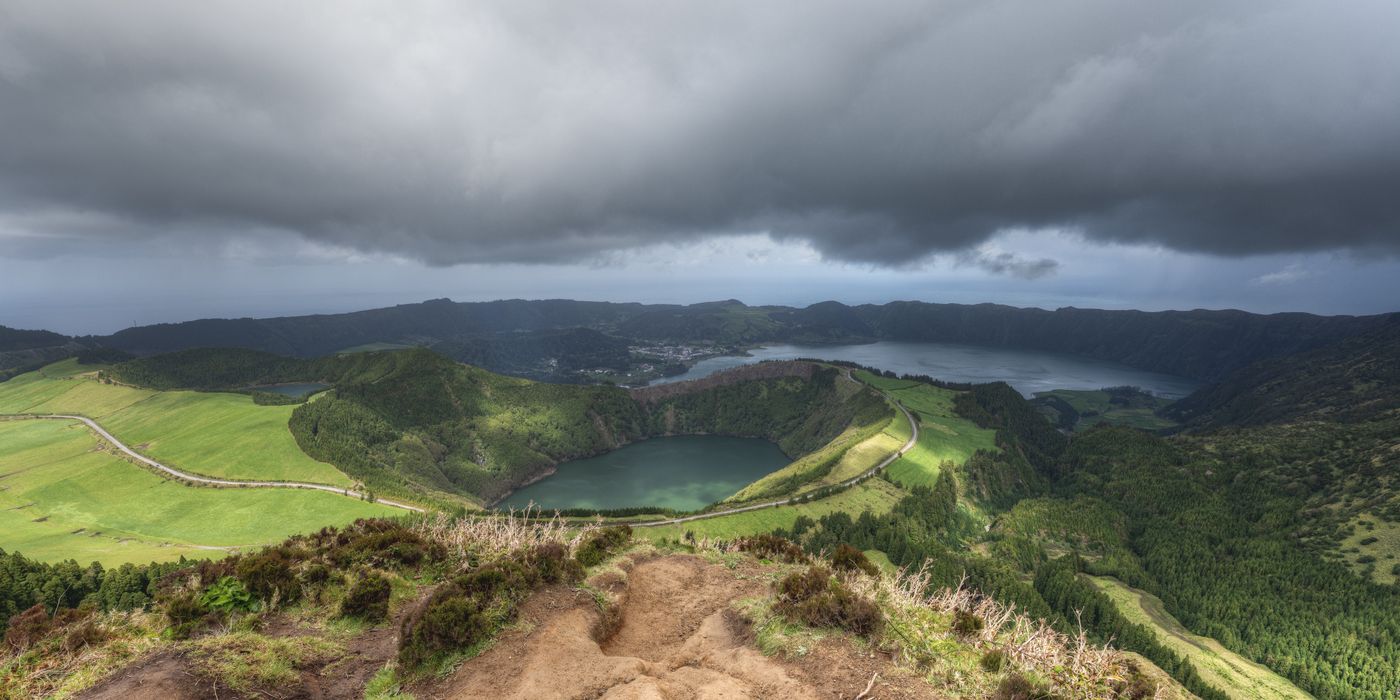
São Miguel is the largest island in the Azores and the one most people fly into. It's also where Iceland-style geology runs into Atlantic green and where you can swim in a 38 degree thermal pool in the morning and watch sperm whales from a boat three hours later. The crowds people warn you about are real in August. In June and September they're not.
We went in late September, did a road trip, and came home convinced this is the best European destination most people haven't been to yet. Here's the five-day plan, the costs, and the parts that are actually worth your time.

Why June Or September
Local guides will tell you to skip July and August. They're right. The island is small (60 km by 15 km) and the central attractions sit in a few specific places. When two cruise ships dock in Ponta Delgada at the same time, the crater lakes look like a parking lot.
June and September solve this. The weather is the same as July (mid-70s, occasional rain), the ocean is warm enough for swimming, the whales are still there, and the tour buses haven't doubled in count. The fall window (September into early October) is what we'd pick.
The flight from the US east coast is 4.5 hours. From Lisbon, 2.5 hours. Azores Airlines runs the most routes and prices well below what you'd expect for an island in the middle of the Atlantic.
Where To Stay
Stay in Ponta Delgada for the first two nights. Stay near Furnas or in the eastern half of the island for the last three. Driving across the island takes 90 minutes and the geography is worth seeing from a different base.
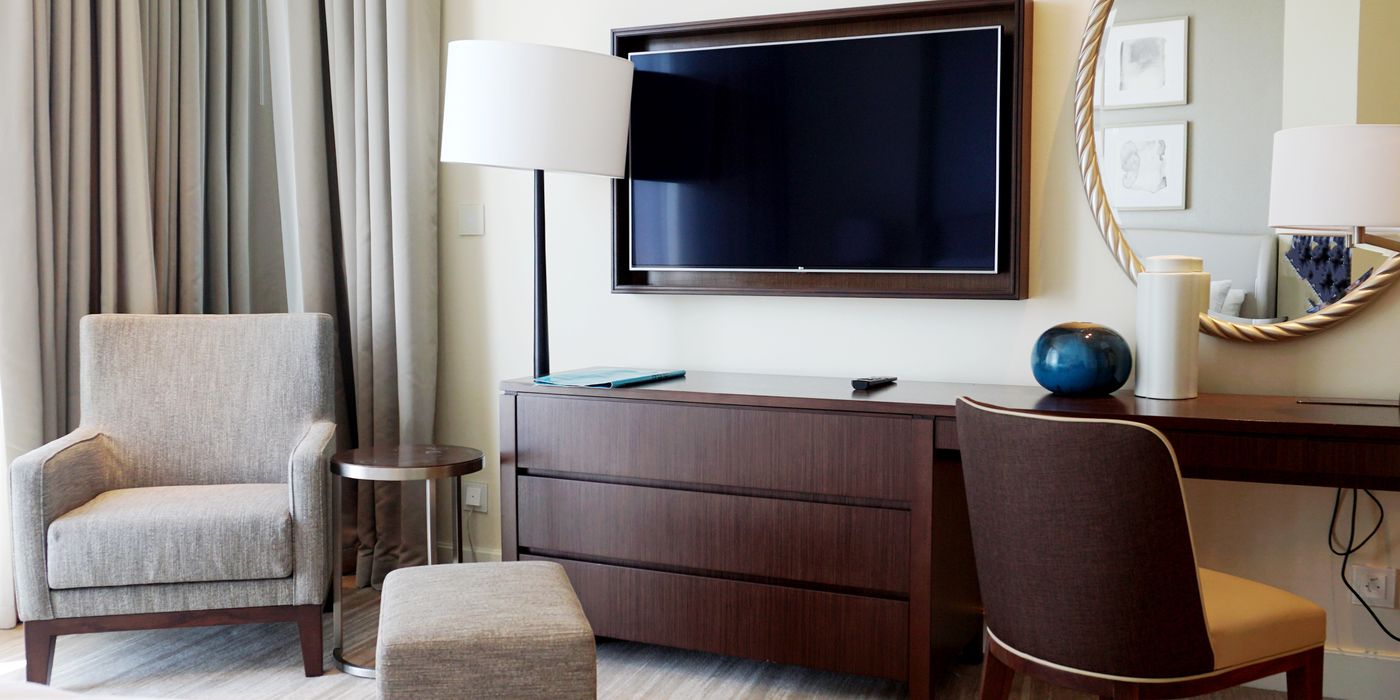
In Ponta Delgada, Hotel do Colégio is in a 16th century converted Jesuit college in the center of the old town. Rooms run 130 to 170 euros in June. The breakfast spread is one of the best in the Azores.
For something more modern, Senhora da Rosa is a 15-minute walk from the historic center. Rooms with garden views run 160 to 210 euros. The pool is heated.
Near Furnas, Terra Nostra Garden Hotel sits on the edge of the largest hot spring garden in the Azores. Rooms run 180 to 230 euros and include unlimited access to the thermal pools (one of the main reasons to be in Furnas).
For a more local option, Casa do Rebanho is a renovated farmhouse outside Furnas with five rooms. Runs about 110 to 140 euros and the host cooks dinner three nights a week.
Rental cars are essential. The bus system exists but it's designed for locals, not visitors. Reserve the car at least three weeks in advance. The supply is limited and prices double in July.
Day One: Arrive, Ponta Delgada, Pineapple Plantation
Fly into PDL (João Paulo II Airport) and pick up the rental car. Drive 15 minutes to Ponta Delgada. Drop your bags at the hotel.
Walk the old town. The Portas da Cidade gates and the Igreja Matriz church anchor the central plaza. The cobbled streets are black and white volcanic basalt arranged in patterns. It's the visual signature of every Azorean town.
Lunch at A Tasca on Rua do Aljube. Tapas, local cheeses, octopus, and a wine list focused on Pico and Terceira whites. Plan 25 to 35 euros per person.
In the afternoon, drive 20 minutes to Plantação de Ananases dos Açores in Fajã de Baixo. This is the working pineapple plantation that grows the small, intensely sweet Azorean pineapples. The greenhouses use a smoke-curing method that's a century old. The tour is free. The pineapple juice at the shop is the best thing on the island that isn't seafood.
Dinner that night at Restaurante Otaka in central Ponta Delgada. Run by a Japanese chef who married into the Azores, the menu is local fish prepared with Japanese technique. The cured limpets with yuzu are 9 euros and worth ordering twice.
Day Two: Sete Cidades And The Crater Lakes
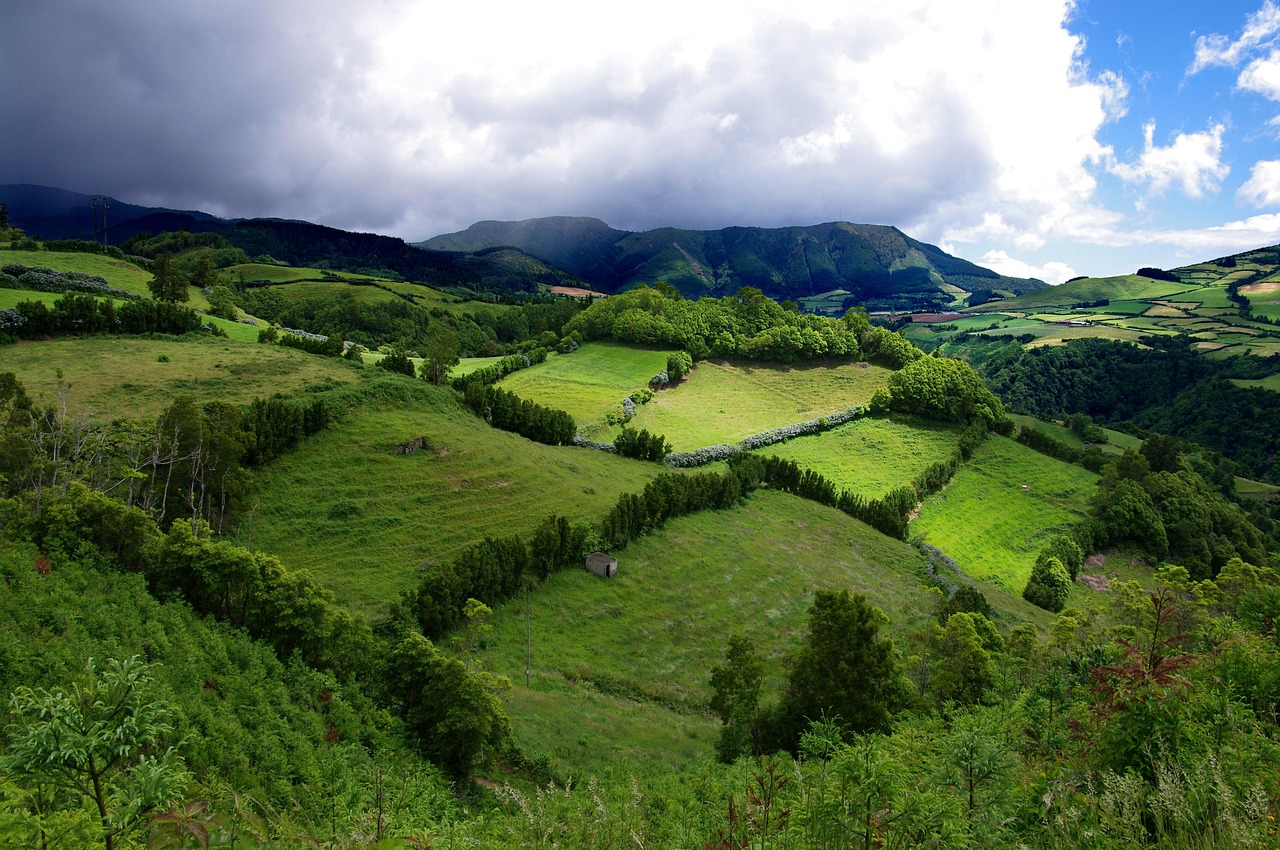
Drive west from Ponta Delgada to Sete Cidades. The road climbs through laurel forest and tea plantations before reaching the rim of the caldera.
The Vista do Rei viewpoint is where you take the photo of the twin crater lakes (one green, one blue) that ends up on every Azores postcard. Get there before 10 AM. The viewpoint is small and tour buses dominate it from 11 to 3.
Walk the rim of the caldera. The path runs about 8 kilometers around the full rim with several viewpoints along the way. The Boca do Inferno overlook (just north of Vista do Rei) is the better photo angle if Vista do Rei is crowded.
Drive down into the caldera to the village of Sete Cidades. Lunch at Green Love, a casual cafe with views over Lagoa Verde. The grilled limpets and the local tuna salad are both good.
Spend the afternoon at the lake. Lagoa Azul is the blue one and you can rent kayaks (15 euros per hour) or stand-up paddleboards. The water is glacial-clear and the only sound is birds.
Drive back to Ponta Delgada via the coastal road through Mosteiros for sunset. The basalt sea stacks off the coast are dramatic and the sunsets are the best on the island.
Day Three: Whale Watching, Drive To Furnas
Morning whale watching tour out of Ponta Delgada. Futurismo is the operator most people use. The success rate of seeing whales is roughly 95% in June through September. Sperm whales are the most common sighting. The full tour is 4 hours and 65 euros.
After the tour, drive east toward Furnas. The drive is 90 minutes. Take the inland route through Lagoa do Fogo (one of the most scenic stretches of road in the Azores) rather than the highway. The Miradouro do Pico da Barrosa overlook is a 5-minute detour and gives you the best view of the lake.
Stop in Vila Franca do Campo for lunch. Tasca do Tio Joaquim does excellent grilled fish. Plan 25 euros for a full meal.
Arrive in Furnas in the late afternoon. Check into the hotel. Spend the rest of the day in the thermal pools at Terra Nostra Garden. The water is orange-brown from iron content and 38 degrees year-round. It stains swimsuits. Bring an old one.
Dinner at Casa de Pasto Bar Beira Rio. Local family restaurant, slow-cooked beef, half-bottle of red wine for 6 euros.
Day Four: Cozido, Caldeiras, Tea Plantation
Morning at the Caldeiras das Furnas. These are the bubbling hot springs in the center of Furnas town where locals cook cozido (a traditional stew) by burying it underground in the volcanic heat for six to seven hours.
Pre-arrange the cozido with a local restaurant the day before. Tony's Restaurant is the most reliable. The lunch (booked in advance) runs 22 euros and includes beef, chicken, pork, blood sausage, cabbage, sweet potato, and the most surreal tableside theater you can have at a meal.
After lunch, drive to the Gorreana tea plantation on the north coast. This is the oldest active tea plantation in Europe, founded in 1883. They produce about 30 tons of tea annually. The factory is open to visitors, the tour is free, and the cafe sells fresh tea by the pot for 2 euros.
In the late afternoon, drive to Ribeira Grande for a short stop at the historical center and a coffee at Cafe Mascote. Then back to Furnas for an evening swim at the public hot springs (separate from the hotel pools). The Poça da Dona Beija pools are 8 euros and run later than the hotel pools.

Day Five: Lagoa do Fogo, Ponta Delgada Last Meal
Drive back toward Ponta Delgada via Lagoa do Fogo. Park at the southern access road and walk the 3-kilometer trail down to the lake. The trail is steep going down and brutal coming back up. Bring water.
The lake is in a crater with no road access. The volcanic sand beach on the southern edge is where you swim. The water is cold (around 65 degrees) but clear. Bring a towel.
Hike back up. Drive to Ponta Delgada. Stop for a final lunch at Restaurante Alcides on Rua Hintze Ribeiro. Order the bife à regional (local steak in coffee-and-pepper sauce). It's 22 euros and it's the dish people in Ponta Delgada argue about.
Return the rental car. Fly out.
What This Trip Costs
Five days in São Miguel in June with mid-range hotels, rental car, meals at local restaurants, the whale tour, museum entries, and the cozido lunch runs 950 to 1,250 euros per person from Lisbon. From the US east coast, add 400 to 600 euros for the flight.
The single biggest line item is the hotel. The rental car (50 to 70 euros per day) is the second.
What To Skip
The Atlantic Botanical Garden in Faial da Terra. It's lovely but you've already seen the Terra Nostra Garden in Furnas and they're similar.
The Sete Cidades Funicular, which has been closed off and on for two years. Skip the planning around it.
The luxury thermal hotels marketing themselves as "spa retreats." The thermal water is the same in the budget hotel pools. Pay for the room, not the brand.
The Frequently Asked Questions
Is São Miguel walkable or do I need a car?
You need a car. The main attractions are spread across the island and the bus system is minimal for visitors. Reserve the rental car at least three weeks in advance.
What's the weather like in June and September?
Highs in the mid-70s, lows in the mid-60s. Expect a passing rain shower every other day. The Azores have a Gulf Stream climate that's milder than mainland Portugal.
Is the food safe to drink in Furnas hot springs?
The cozido cooked in the caldeiras is a local tradition and yes, it's safe. The water in the springs themselves is sulfuric and not for drinking.
Do I need to speak Portuguese?
English is widely spoken at hotels, restaurants, and tour operators in Ponta Delgada and Furnas. In smaller villages, basic Portuguese helps but isn't required.
How does cashback work on Azores hotels?
Best (best.so) offers 10% cashback on hotel bookings across the Azores including São Miguel, Pico, Terceira, and Faial. Worth checking before you confirm your hotel rate.
São Miguel is the rare destination that delivers on the photos. The crater lakes are exactly as blue as they look. The whales are common. The food is excellent and cheap. And it's a five-hour flight from the US east coast.
Go in June. Or go in September. Don't go in August.
Images: Sete Cidades lagoon views and São Miguel landscapes via Pexels. Azores misty coast via Pixabay. Used under free licenses.