Saudi Arabia Is Adding 94,500 Hotel Rooms. Rates Already Fell 11%
Saudi hotel rates fell 11.4% year over year while 94,500 rooms get built. The clearest live example of supply beating demand.
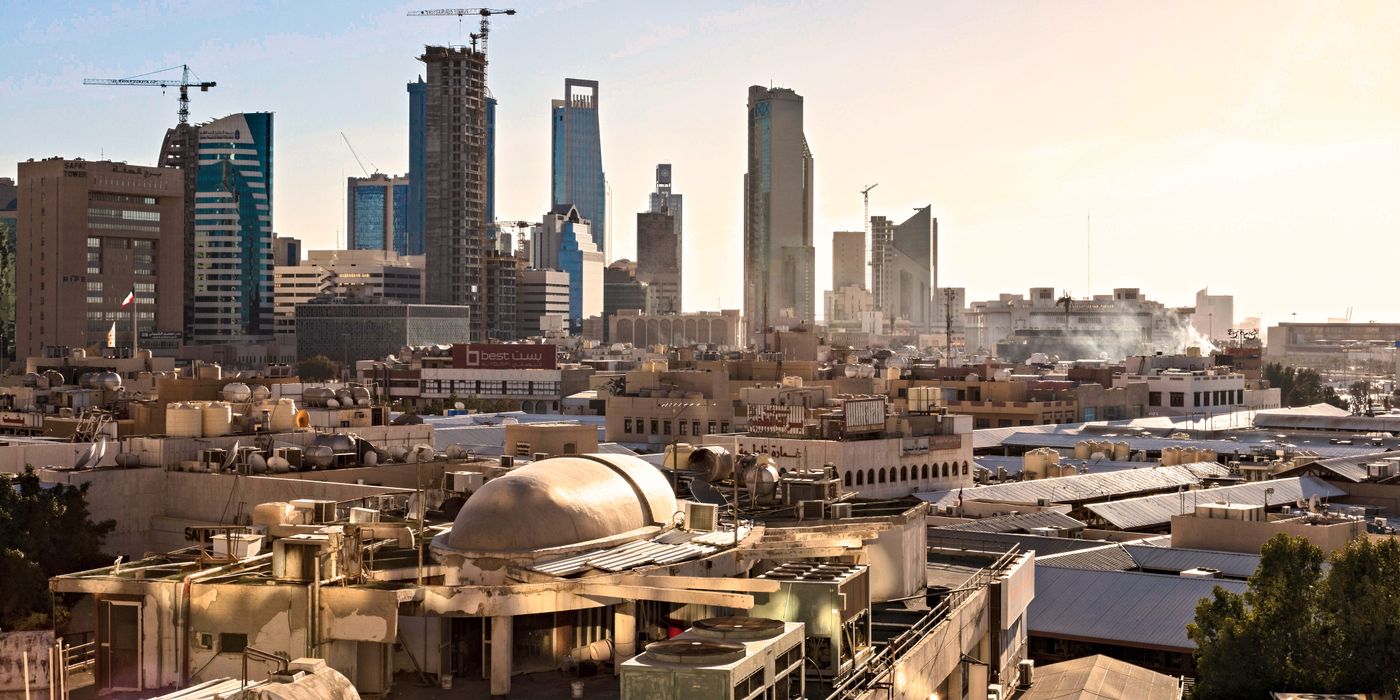
Hotel rates across Saudi Arabia fell 11.4% year over year in the first quarter of 2026, landing at SAR 423 a night, or roughly $113. Almost every other major hotel market on earth moved the other way this year.
That is not a demand problem. Saudi tourist spending reached SAR 82.7bn in Q1 2026. It is a supply problem. And it is the cleanest live example we have seen of what happens to prices when rooms get built faster than travelers arrive to fill them.
Around 94,500 hotel rooms are under construction or in advanced planning across the Kingdom, on top of an existing stock of 171,650 keys. If most of that lands, Saudi Arabia will have grown its hotel inventory by more than half inside a decade.
What a supply wave does to a nightly rate
Hotel pricing is unusually sensitive to supply because a room night cannot be stored. Sell it or lose it. A 400-room property that opened last spring is under pressure from its owners to hit occupancy targets, and the fastest lever for hitting an occupancy target is undercutting the hotel across the street.
That hotel then responds or loses the business. Run two or three rounds of it and the whole submarket has repriced downward, with nothing at all having changed about demand.
Licensed tourism hospitality facilities in Saudi Arabia climbed 22.7% year over year to 6,122 in Q1 2026, up from 4,988 twelve months earlier. A 22.7% increase in competing sellers. An 11.4% drop in rate. Those two numbers are one story.
The city-level numbers
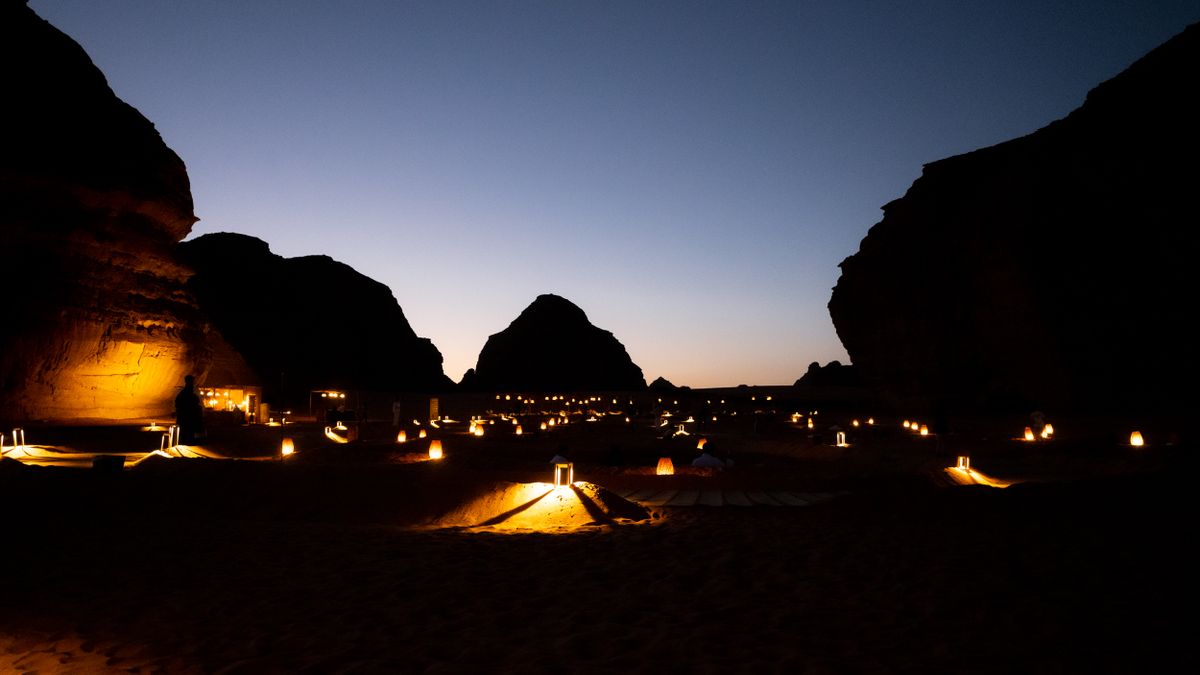
Riyadh, including Diriyah, ran 55.7% occupancy in Q1 2026 with ADR down around 6% to SAR 771. Jeddah ran 59.2% occupancy with ADR down about 7% to SAR 635. Makkah held at 59.8% occupancy, and JLL reported Makkah RevPAR up 8.7%, because religious travel demand is far less elastic than leisure demand. Kingdom-wide occupancy slipped 2.2 percentage points to 60.8%.
Read those side by side and the pattern is obvious. The markets absorbing the most new inventory took the biggest rate hit. The market with the most reliable calendar-driven demand did not take one at all.
Madinah recorded the Kingdom's highest occupancy rate of any city in Q1 2026. If you want a one-line summary of Saudi hotel pricing right now, it is this. Pilgrimage demand sets its own price. Everything else is negotiating.
Why this matters if Saudi Arabia was never on your list
Two years ago a Riyadh business hotel was priced like a scarce asset, because it was one. Today it is priced like a commodity in a crowded market. SAR 771 is roughly $206 for a room class that costs meaningfully more in Dubai or Doha on the same night.
Saudi Arabia passed its original target of 100 million annual visitors in 2025 and has since raised the 2030 goal to 150 million. To reach it, the rooms being built have to be full. Full is a price decision, and the price decision is being made right now.
The 2026 opening wave is real and dated. Neom's Sindalah island resort, Shura Island inside Red Sea Global, early Amaala facilities and the first Diriyah hotels are all moving into operating inventory this year. Rosewood unveiled its first Red Sea coastal resort in August 2026. Accor signed a Novotel in Makkah with Al Qimmah Hospitality, taking that partnership past 4,000 keys.

The regional picture is the same, only larger
The Middle East closed the first quarter of 2026 with a record development pipeline of 717 projects and 177,110 rooms, up 12% year over year, led by Saudi Arabia and the UAE. That is a great deal of new supply chasing a visitor base that is still being built.
Supply waves get absorbed eventually. We are not predicting that Saudi hotels stay cheap. We are pointing at a specific window, maybe eighteen months long, where the pricing is unusually soft in a market carrying a lot of brand-new inventory. Windows like that close.
We wrote about the same mechanic in a global context in our piece on the 2026 hotel supply pipeline, and about the metric that tracks it in our explainer on RevPAR.
Four ways to actually use this
Take the new-build discount. Properties in their first twelve to eighteen months discount hardest, because ramping occupancy matters more to them than protecting rate. In Riyadh and Jeddah that currently describes a large share of the four and five star inventory.
Skip the pilgrimage calendar if price is the priority. Umrah and Hajj demand does not soften when supply grows. Makkah and Madinah price like a different country during those windows.
Aim at the shoulder months. Saudi summer is brutal. The comfortable window runs roughly November through March, which is also when rates firm up. Late October and early April sit between the two and price accordingly. It is the same logic we apply to shoulder season pricing everywhere else.
Compare all-in, not headline. Saudi hotels layer VAT and municipality fees on top of the room rate. A low ADR is not automatically a low total, in the same way a cheap-looking US rate stops being cheap once lodging taxes land on it.
The part worth remembering
Most travel coverage treats hotel prices like weather. Rates went up, rates went down, nobody really knows. They are not weather. They are the output of a supply and demand calculation you can usually see coming a year and a half ahead, because hotels take about that long to build and construction is a matter of public record.
Saudi Arabia is the loudest current example. The same logic works anywhere in the middle of a building boom, and it works in reverse in markets where nothing new has opened in five years.
Best exists for this gap. We show the lowest available rate rather than the one that pays the platform best, and the spread between those two is widest in exactly this kind of soft market. If you are pricing a stay in Riyadh or Jeddah this winter, that difference is not small.
Common questions
Are hotel prices in Saudi Arabia going down in 2026?
Yes. Average daily rate across Saudi Arabia fell 11.4% year over year in Q1 2026 to SAR 423, roughly $113. Riyadh fell about 6% to SAR 771 and Jeddah about 7% to SAR 635. The driver is new supply rather than weak demand.
How many new hotel rooms is Saudi Arabia building?
Around 94,500 rooms are under construction or in advanced planning, against an existing base of 171,650 keys. The wider Middle East pipeline hit a record 717 projects and 177,110 rooms at the end of Q1 2026.
Which Saudi city has the most expensive hotels?
Riyadh, at roughly SAR 771 per night in Q1 2026. Jeddah sits lower at SAR 635. Makkah and Madinah swing hardest by calendar, running well above their averages during Umrah and Hajj and well below outside those windows.
When is the best time to visit Saudi Arabia for weather and price?
November through March is the comfortable weather window, and it is also the strongest demand period. Late October and early April give up some comfort for noticeably softer rates.
Will Saudi hotel rates stay this low?
Unlikely over the long run. Supply waves get absorbed as visitor numbers climb toward the 150 million target for 2030. The soft pricing reflects a temporary gap between rooms delivered and travelers arriving, not a permanent repricing.
Images: Hero by Tayssir Kadamany. AlUla by Tyrrel Burns. Jeddah coast by Eyup Sayar. All via Pexels. Diriyah by Radoslaw Botev via Wikimedia Commons, CC BY 3.0 PL.