The Slow Travel Playbook: How to Find a Hotel for a Longer Stay
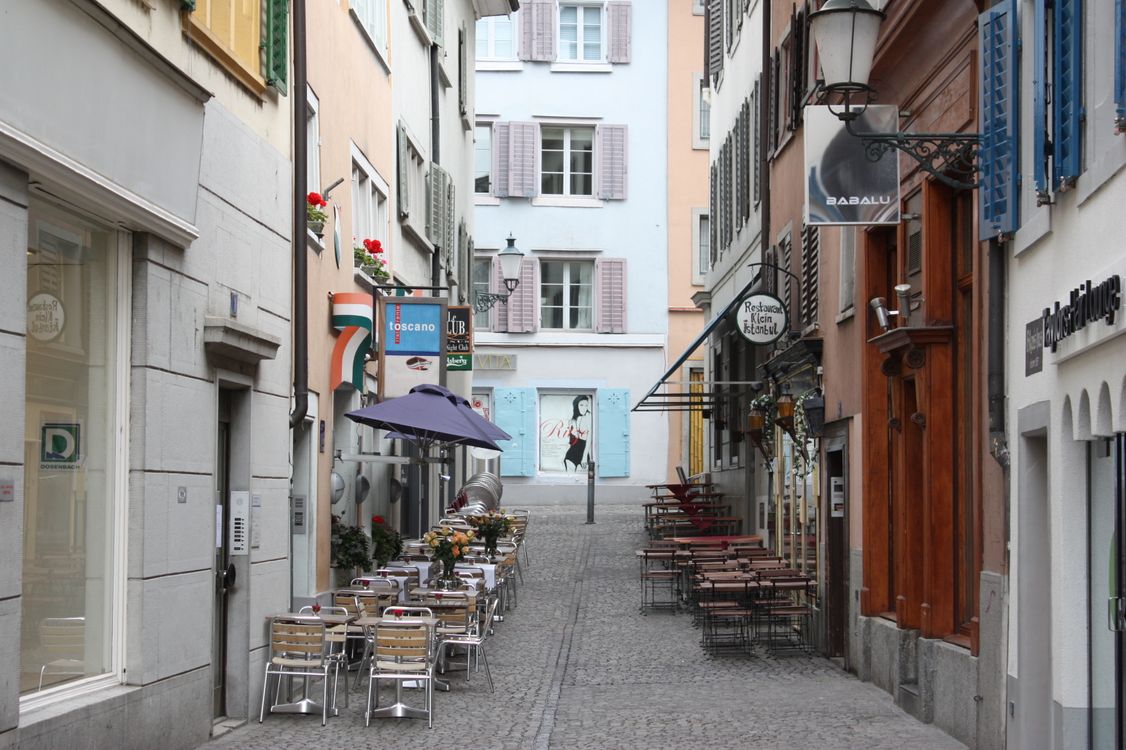
Slow travel hit an all-time high in 2026. More people are spending ten days in one city instead of rushing through five in two weeks. Staying in a neighborhood instead of near the airport. Eating at the same restaurant twice because it was good, not because the schedule required somewhere new every night.
The concept gets talked about as a philosophy. What doesn't get talked about enough is how to actually book hotels for a longer stay. The standard booking approach designed for short trips has a completely different logic from what extended stays require.
Why Extended Hotel Stays Are Having a Moment
Three things pushed slow travel into mainstream practice. Remote work made longer stays logistically possible for people who couldn't previously take two-week vacations. Rising airfare costs made multi-destination trips proportionally more expensive than staying in one place. And a growing number of travelers came back from fast trips feeling like they'd seen a place without experiencing it.
The economics shifted too. Fewer flights means less money spent on transportation. One week of restaurants in a neighborhood costs less than a week of tourist restaurants across five cities. When you stop trying to maximize destinations per trip, the trip often gets cheaper and noticeably better.
Hotels have noticed. Extended stay properties and residential-style hotels that never made it into the mainstream booking conversation are now attracting guests who previously defaulted to standard hotels. The product is different: sometimes smaller rooms, but kitchenettes, laundry access, more working space. Designed for people who are living somewhere, not just visiting it.
The Rate Structure for Longer Stays
Most travelers don't know that hotel pricing changes significantly for stays of 5 nights or longer at many properties. Weekly and monthly rates exist at a surprisingly wide range of hotels — not just extended-stay brands — and the discounts can be significant.
A hotel charging $120/night for a 2-night stay might offer $95/night for a 7-night stay and $80/night for a 30-day stay. The headline rate on booking platforms shows the nightly price but doesn't always surface these discounts unless you actually enter the specific dates. The only way to find weekly and monthly rates is to search with those date ranges.
Properties that cater to business travelers often have negotiated weekly rates that remote workers can also access in 2026. Some hotels have explicitly opened these structures up. Ask specifically when booking — it's not always listed publicly.
Boutique hotels in neighborhoods slightly outside the tourist center tend to offer better extended stay value than central properties. The nightly rate starts lower, and the discount for longer stays is often larger because these properties depend more on high occupancy.
What to Look for in a Slow Travel Hotel

The criteria for a 10-night stay differ from a 2-night stay. A few things move from nice-to-have to essential.
A place to work. Not a desk in the corner but actual working space. Enough light. A chair that doesn't hurt after two hours. A power outlet at the right location. Good hotels for extended stays understand this and it shows in room setup. Check photos specifically for the desk and chair, not just the bed.
In-room laundry or easy laundry access. Packing for two weeks is different from packing for ten nights if you can do laundry. Properties with in-unit washer/dryer or reliable same-day laundry service are worth paying more for on longer stays.
A kitchen or kitchenette. You don't need to cook every meal. But having the ability to make breakfast, store groceries, and not pay hotel restaurant prices for morning coffee changes the economics meaningfully. A week of hotel breakfasts at $20 each is $140. That same week with coffee and breakfast from a local market runs $30-40.
Neighborhood feel. For a two-night stay, being central matters. For ten nights, being in a real neighborhood matters more. A grocery store within walking distance. A few local spots where you can become a regular. A park. The tourist center of any city starts to feel hollow after a few days.
The Best Cities for Slow Travel in 2026
Some cities reward longer stays more than others.
Lisbon: Neighborhood character is strong and distinct. Alfama, Mouraria, Principe Real, and LX Factory each have a different texture. Hotels in slightly outer neighborhoods run $80-130/night with weekly discounts bringing that down. Good coffee culture. Walkable hills.
Mexico City: One of the best-value slow travel cities in the world right now for US travelers. Condesa and Roma neighborhoods have the density of restaurants, cafes, bookstores, and parks to support a month of exploration without boredom. Hotels in these areas run $60-100/night, with weekly rates often coming in 15-20% lower.
Tbilisi, Georgia: Less on the radar but increasingly recommended by people who've spent more than a week there. Extremely affordable, friendly to remote workers, excellent food, and a distinctly different urban texture from anywhere in Western Europe.
Porto, Portugal: Smaller than Lisbon and in some ways more intimate. The river neighborhoods are beautiful. Hotels are slightly less expensive than Lisbon. A slower pace of life that suits the slow travel approach.
How Cashback Works on Extended Stays
The cashback math is straightforward: 10% back through Best, calculated on the total hotel cost. On a 12-night stay in Lisbon at $100/night, that's $1,200 total and $120 back. That pays for two or three dinners, a day trip, or a significant chunk of your flights.
On extended stays specifically, the cashback tends to be more meaningful than on short trips because the absolute dollar amount scales with the total booking. A $2,000 two-week hotel stay returns $200 — enough to actually notice.
Frequently Asked Questions
How do I find extended stay rates at regular hotels in 2026?
Enter your full stay duration when searching. Weekly and monthly rate discounts don't always show up in per-night comparisons. Search specifically with your intended check-in and check-out dates. Many properties offer 10-25% discounts for stays of 7 nights or more, but you won't see these unless you search for those specific dates.
Is slow travel actually cheaper than moving between destinations?
Usually yes, when you account for full costs. Fewer flights, lower transport costs, cheaper meals away from tourist areas, and often lower accommodation costs from weekly discounts all reduce total trip spending. The main trade-off is seeing fewer places per trip, which is real but isn't a financial cost.
What type of hotel is best for a two-week stay?
Look for properties with kitchenette or kitchen access, a functional work setup, laundry access, and location in a walkable neighborhood rather than a tourist center. Aparthotels and boutique properties in residential neighborhoods tend to serve extended stays better than business hotels or large resort properties.
How do I negotiate a better rate for a long hotel stay?
Call the hotel directly after making an initial search online. Ask specifically about extended stay rates for your dates. Many hotels have unpublished rates for stays of 7+ nights that they don't list on booking platforms. This works more often than people expect, particularly at independent and boutique properties.
Images: Traveler at European cafe by Leah Kelley. Hotel lobby by Pixabay. Both via Pexels, used under license.