America's Surprise Travel Hotspots of 2026, by the Numbers
DC searches tripled. Portland, Maine is up 172 percent, Bozeman 141. What is driving each surge and how to book each city without the trend tax.

The most-searched American destinations of 2026 are not the usual suspects. Washington, DC search volume has roughly tripled year over year. Portland, Maine is up more than 170 percent. Bozeman, Montana is up over 140 percent. Las Vegas and Orlando are growing again too, but the story of this travel year is smaller cities pulling demand they have never seen before, and hotel prices reacting in real time.
Flight search data from booking platforms and airline schedule filings all point the same direction. Domestic travelers in 2026 are chasing anniversaries, national parks, and food towns over theme parks. Here is what is driving each surge, what it has done to hotel rates, and how to book each city without paying the trend tax.
Washington, DC. The America 250 effect
The 250th anniversary of the Declaration of Independence turned DC into the country's headline destination this year, and the hotel data shows it. Around the July 4 week, average daily rates in the district jumped roughly 35 percent year over year to about $209, with revenue per room up over 50 percent. Searches for DC trips more than tripled compared to last summer.
The good news is that the anniversary is a year-long program, not a single week, and the crowds are front-loaded. Fall visits catch the same exhibitions and commemorations at normal-season prices. We broke down the timing in our America 250 fall guide, and the short version holds. September and October are the value window, with weekday rates settling back toward the low $200s and weekends below summer peaks.
Portland, Maine. The food town that got found
Portland has been a chef-destination whisper for a decade. This year the whisper became search volume, up more than 170 percent, helped by new direct routes into a small airport and a food scene that keeps collecting national attention. A city of 70,000 with a working waterfront, a lighthouse coastline, and more good restaurants per block than cities five times its size is exactly what the 2026 traveler says they want.
The catch is capacity. Portland's hotel inventory is small, so demand spikes translate to price spikes fast. Summer weekends now clear $350 at the harborfront properties. The play is September through mid-October, when the lobster rolls are identical, the water is warmest, the foliage starts, and rates drop by a third. Book weekdays if you can. This is a leisure market, and it prices like one, which is a pattern we explained in our day-of-week pricing guide.

Bozeman. The Yellowstone gateway grows up
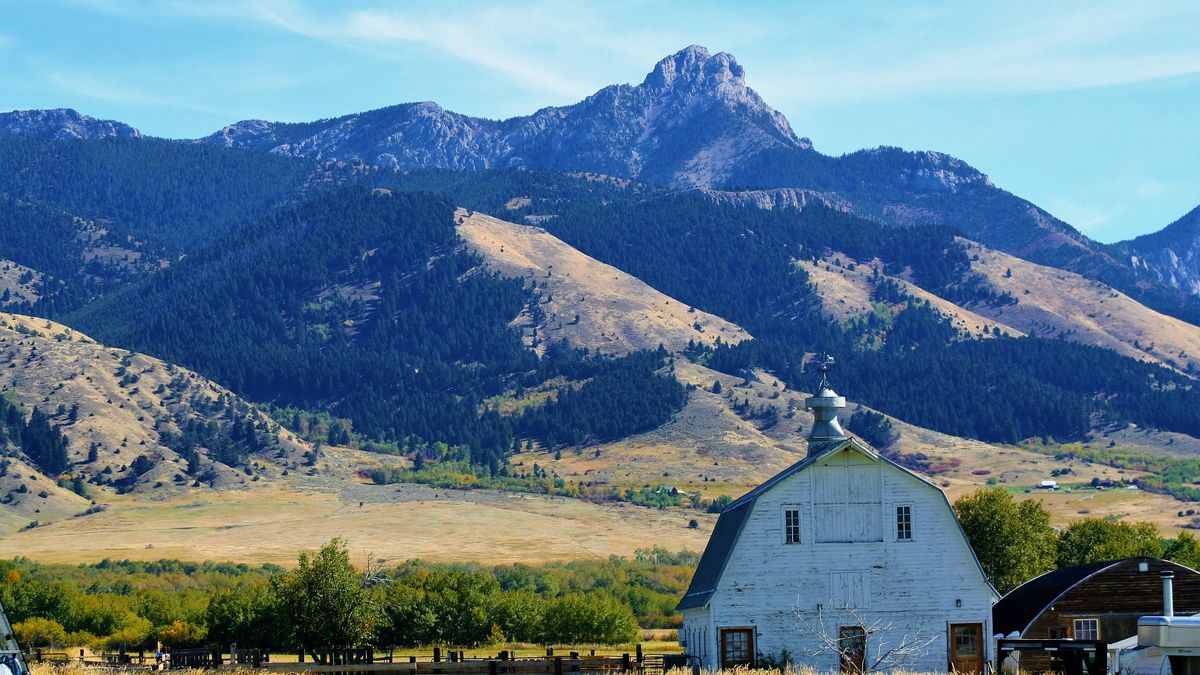
Bozeman's 140-plus percent search growth is the national park economy compounding. The airport keeps adding nonstop routes, the town has built out a real restaurant and brewery scene, and it serves as the year-round gateway to Yellowstone's north entrances plus a winter base for Big Sky skiing. What used to be a summer-only stopover is now a four-season destination in its own right.
Hotel supply has grown, but summer still compresses. July and August rooms at the newer downtown properties run $250 to $350. The shoulder plays are strong on both ends. Late September brings elk bugling season, thinner park crowds, and rates down 30 to 40 percent. Early June catches the parks green and full of wildlife before peak pricing locks in. If Yellowstone is the goal, midweek stays in Bozeman beat weekend ones by a wide margin, and both beat staying inside the park for price.
Las Vegas and Orlando. The comeback kids
The two volume giants are surging for a simpler reason. Price resets. Las Vegas demand softened last year and the market responded the way Vegas always does, with aggressive midweek rates and packaged offers that pulled searches up more than 90 percent. Orlando's near-70 percent growth tracks new attraction openings and families booking further ahead than usual.
Both cities reward the same discipline. Midweek stays, event-calendar checks before picking dates, and skepticism about add-on fees. On that last point, the disclosure rules that took effect this year make comparison shopping far more honest than it used to be, and our resort fee rules explainer covers exactly what changed.
What the surge pattern says about 2026 travel
Put the five cities side by side and the year's travel psychology comes into focus. An anniversary that gives trips a reason and a deadline. Two small cities selling place and food instead of infrastructure. Two giants winning on value after years of pricing themselves ahead of demand. Travelers in 2026 are booking meaning and margins, and destinations delivering either one are growing at rates the industry has not seen since the post-pandemic surge years.
For anyone planning around these cities, the operating rules are consistent. Surging small markets punish late bookers because inventory is thin, so Bozeman and Portland reward booking two to three months out. Event-driven markets punish peak weeks but reward shoulders, so DC in October beats DC in July on every axis except fireworks. And recovering giants reward flexibility, because Vegas and Orlando run promotions that only travelers with floating dates can catch.
The routes behind the surges
Underneath every one of these demand spikes sits an airline schedule decision. Small cities do not trend until you can get to them without a connection, and both Bozeman and Portland have collected new nonstop routes over the past two years from carriers chasing exactly this shift in demand. Airlines are also stretching seasonal routes deeper into fall, betting that shoulder-season travel keeps growing the way it has since Europe's record summer heat started pushing trips into September and October.
This matters for hotel booking because route announcements are a leading indicator. When an airline announces a new nonstop into a small market, hotel demand follows within one season, and rates follow demand. The pattern ran through Madeira and San Juan before it reached Maine and Montana. If a city you have been meaning to visit just landed on a new route map, the cheapest version of that trip is probably this year, not next. The reverse also holds. A trending small city that loses a route cools off fast, and its hotels start discounting within weeks.
Watching schedules is free. Airlines publish route launches months ahead, and fare trackers surface them the same day. Pair a route announcement with a two-to-three-month hotel booking window and you ride the demand wave instead of paying for it.
Questions travelers ask about 2026 hotspots
Why is Washington, DC so popular in 2026? The America 250 anniversary. Commemorations, new exhibitions, and event programming run all year, tripling search interest and pushing summer hotel rates up roughly 35 percent year over year.
When is the cheapest time to visit Bozeman? Late September through October, after summer park crowds thin. Rates drop 30 to 40 percent from July peaks while Yellowstone stays open and elk season peaks.
Is Portland, Maine expensive to visit? Summer weekends are, with harborfront hotels over $350 a night due to limited inventory. September weekdays cut costs by a third with better weather than early summer.
Are Las Vegas hotels cheap right now? Midweek, frequently yes. The market reset prices after soft demand last year, and Sunday through Thursday nights remain the value window, especially outside event weekends.
Images. Hero, Portland Head Light, by Mohan Nannapaneni via Pexels. Montana countryside by Kerry via Pexels. Downtown Bozeman by Tim Evanson via Wikimedia Commons (CC BY-SA 2.0).