Five Days in Tallinn, the Baltic Capital That Stays Cool All Summer
Tallinn sits in the low 70s while mainland Europe bakes, and it costs less than you would guess. A five-day Estonia itinerary with real hotels, food, and costs.

While mainland Europe spends another summer in the high 90s, Tallinn sits in the low 70s with 19 hours of daylight and a medieval old town that looks invented for a film. The Estonian capital is a coolcation that has not been priced like one yet.
July highs hover around 72°F (22°C), nights drop to the low 50s, and the Baltic sun barely sets. Mid-range hotels near the old town rarely top 90 euros, and you can find clean, central rooms from the mid-40s. Here is how to spend five days, with real neighborhoods, food, and numbers.
Why Tallinn for a 2026 coolcation
The pitch is simple. You get a UNESCO-listed Hanseatic old town from the 13th century, a tech-forward city that runs on contactless everything, a genuinely good food scene, and Baltic Sea air, all at temperatures that make walking a pleasure instead of a survival exercise. It is the same logic behind our Madeira and São Miguel guides, pointed at the Baltic instead of the Atlantic.
Tallinn is also small and walkable. The old town, the creative quarter, and the waterfront sit within a 25-minute walk of each other, so you lose almost no time in transit. Five days is enough to see the city properly and still take a day trip.

Where to stay
For a first visit, base yourself in or just outside the old town (Vanalinn). You wake up inside the postcard and walk everywhere. Mid-range hotels here run roughly 70 to 90 euros a night in summer, and design-forward options in converted merchant houses sit at the top of that range.
For more space and a local feel, Kalamaja is the move. This old wooden-house district just north of the center has turned into the city's coolest neighborhood without losing its quiet, and rooms run a touch cheaper than the old town. Whichever you pick, book the hotel through Best and the stay comes with 10% cashback, which on five nights is real money back rather than a coupon.
Day 1 — The old town, top to bottom
Start at Raekoja plats, the Town Hall Square, before the cruise crowds arrive around 10 a.m. Step into Raeapteek, the Town Hall Pharmacy, which has operated on this square since the early 1400s and is one of the oldest in Europe still running. Wander the lanes out from there with no fixed plan.
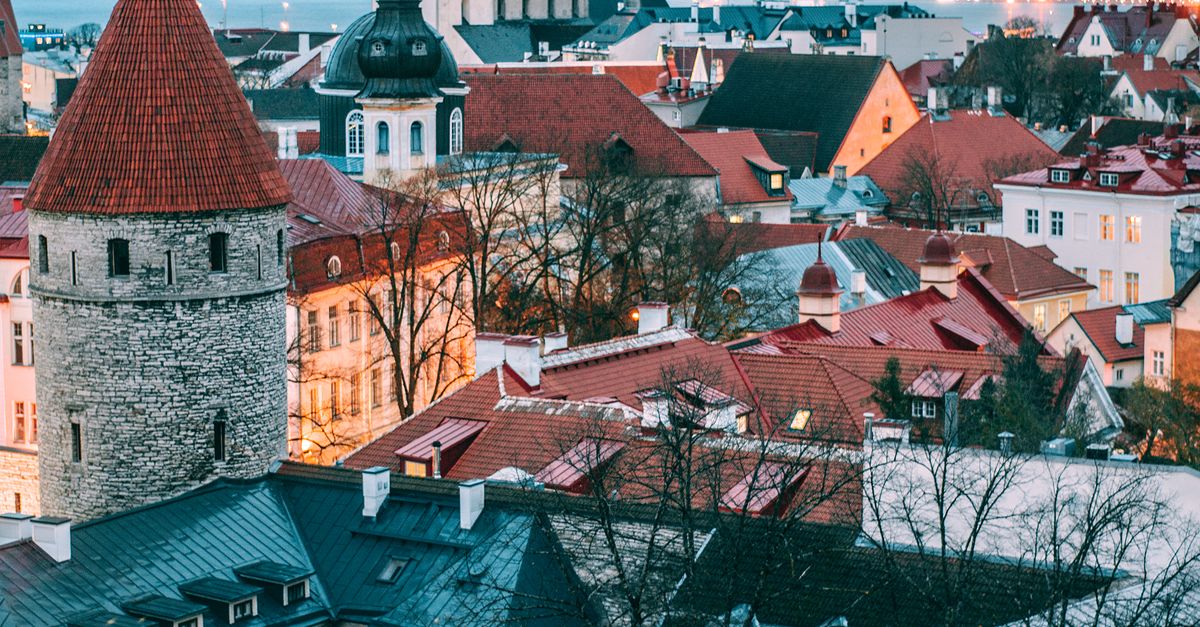
Climb to Toompea, the upper town, for the Alexander Nevsky Cathedral and the two viewing platforms. Kohtuotsa gives you the classic spires-and-rooftops shot, Patkuli looks out over the harbor. Then climb St. Olaf's Church tower if your legs are willing for the best view in the city.
For dinner, Rataskaevu 16 is the old town institution worth the reservation, doing elevated Estonian comfort food. Book a few days ahead in summer.
Day 2 — Kalamaja and Telliskivi
Walk north into Kalamaja and its painted wooden houses. The heart of the day is Telliskivi Creative City, a former rail-yard complex turned into studios, galleries, street art, and some of the best casual eating in town. Balti Jaam Market next door is a restored market hall where you can graze your way through Estonian produce, smoked fish, and street food for very little.
End at the waterfront in Noblessner, a redeveloped submarine yard now lined with restaurants and a craft brewery taproom. The Põhjala Tap Room here pours one of the Baltic's best beer lists. This is a long, easy, eat-and-drink day, and the white nights mean the light holds past 10 p.m.
Day 3 — Museums and Kadriorg
Tallinn does museums unusually well. Start at Lennusadam, the Seaplane Harbour, a maritime museum built inside vast 1916 seaplane hangars with a real submarine you can walk through. Kids and adults both lose hours here.
In the afternoon, take the short tram east to Kadriorg, a baroque park built around a palace Peter the Great commissioned. The grounds are free and lovely, and KUMU, Estonia's flagship art museum, sits at the edge of the park with a genuinely strong collection. For a darker, fascinating hour, the KGB Museum on the top floor of the Hotel Viru tells the story of Soviet surveillance from the floor the KGB actually used.
Day 4 — A day trip to Lahemaa
Rent a car or join a small tour out to Lahemaa National Park, about an hour east. This is the Estonia of bog boardwalks, pine forest, empty Baltic beaches, and restored manor houses. Walk the Viru Bog boardwalk loop, see the manor at Palmse, and have lunch in a fishing village like Käsmu. It is the cool, green, quiet counterpoint to the city, and the temperatures out here are even fresher.
If you would rather stay near water without the drive, swap this for Pirita, the city's own beach district, plus the ruins of the 15th-century St. Bridget's Convent. The sand is real and the Baltic is bracing.
Day 5 — Slow morning, last walks
Use the final day for whatever you underrated earlier. Most travelers want more old town time, so do the lanes again at golden hour when the day crowds are gone. Buy linen, woolens, and juniper-wood kitchenware, the local crafts worth carrying home. For a final dinner, Olde Hansa leans into the medieval theme hard and is touristy, but the candlelit rooms and game dishes are a fun send-off if you are in the mood for it.
What it costs
Tallinn is one of the better-value capitals in Europe right now. A realistic mid-range daily budget lands around 110 to 150 euros per person, covering a central hotel split two ways, three meals with the odd nice dinner, museum entries, and trams. Cut that meaningfully by leaning on Balti Jaam Market and Telliskivi for food and walking everywhere, which you will anyway. For timing the booking itself, our guide to the best time to book a hotel in 2026 applies cleanly here.
Getting there and getting around
Tallinn Airport sits about four kilometers from the center, one of the shortest airport runs of any European capital. Tram 4 connects the terminal to the old town in roughly 15 minutes for the price of a single ticket. A taxi or rideshare runs about 10 to 15 euros and takes ten minutes.
In the city you will mostly walk. The tram and bus network is clean, cheap, and easy, and a contactless tap or a paper ticket covers it. One of Tallinn's best add-ons is the ferry to Helsinki, just two hours across the Gulf of Finland, which makes a day trip to Finland genuinely doable if you want a second country on the same trip.
The best time to visit
June through August is the sweet spot for a coolcation, with long days, white nights, and highs in the low 70s. July is the warmest and busiest, so book accommodation earlier if you travel then. Late May and early September are quieter and only slightly cooler, with thinner crowds in the old town and softer hotel rates. Winter is its own thing, cold and dark but lovely around the Christmas market, just not the trip you take to escape the heat.
Whenever you go, the old town is at its best early and late. The cruise crowds arrive mid-morning and thin out by evening, so the quiet, photogenic Tallinn most people picture is mostly a matter of timing your walks around the middle of the day.
Frequently asked questions
Is Tallinn warm enough in summer? It is mild, not hot. July averages a high around 72°F (22°C) with cool nights, which is exactly the appeal for a coolcation. Pack layers and a light jacket for the evenings.
How many days do I need in Tallinn? Three days covers the highlights comfortably. Five lets you add museums, the Kalamaja and Noblessner waterfront, and a day trip to Lahemaa without rushing.
Is Tallinn expensive? No, it is one of Europe's better-value capitals. Mid-range hotels near the old town rarely exceed 90 euros, and market food keeps daily costs low.
Do I need a car? Not for the city, which is walkable and has good trams. A car or tour only helps for the Lahemaa day trip, and even that runs as an organized excursion.
Images: Hero by Ivar Leidus (Iifar), CC BY-SA 3.0. Rooftop panorama by acediscovery, CC BY 4.0. Both via Wikimedia Commons. Old town street via Pexels, used under license.