Travel Insurance or Credit Card Coverage for Your Hotel Booking
Your card probably covers a prepaid hotel booking. It probably does not cover you getting sick abroad. Here is exactly where credit card travel protection stops and a policy has to start.
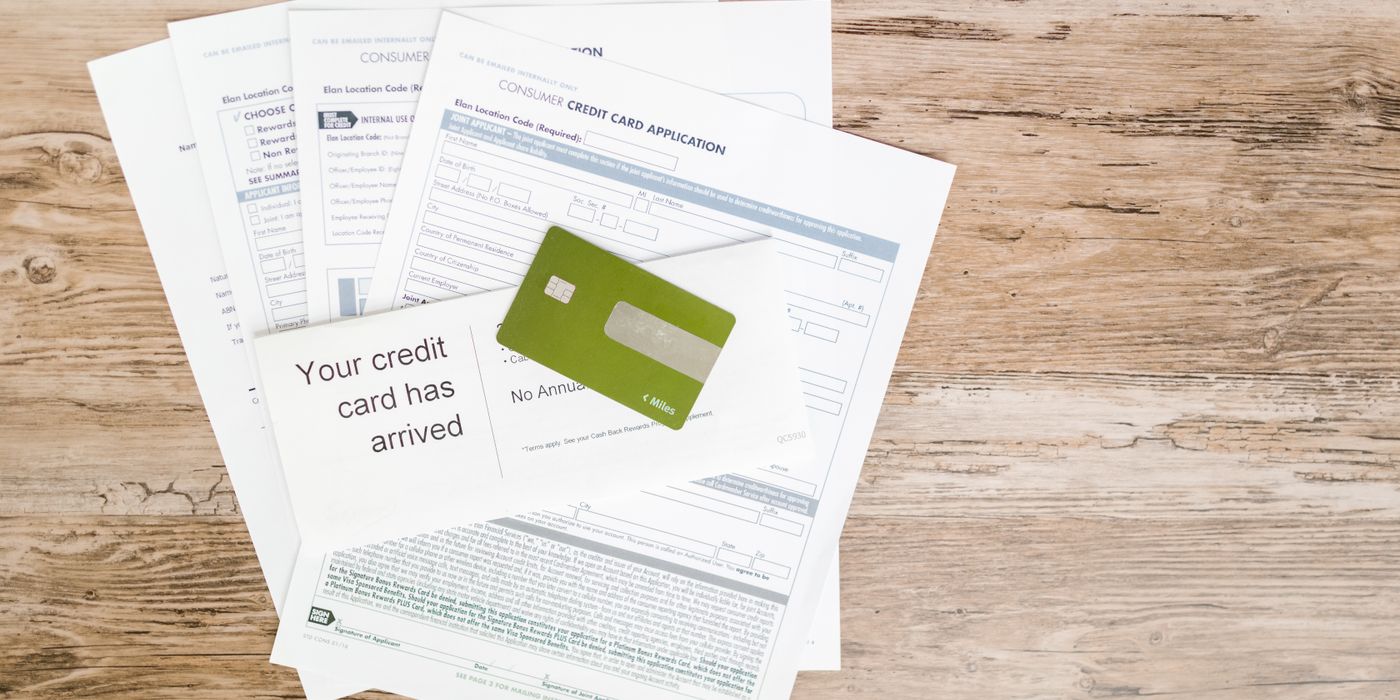
Most travellers are in one of two positions and neither is good. They bought a separate travel insurance policy for a trip their credit card already protects, or they assumed their card covered them and it did not.
Hotel bookings are where this gets confusing, because credit card travel benefits were designed around flights. The hotel is treated as a component of a trip rather than a thing in its own right, and the rules that follow from that catch people out.
Here is what your card actually does for a hotel booking, where it stops, and how to work out in about a minute whether you need to buy anything else.
What credit card travel coverage does for a hotel booking
Credit card trip cancellation coverage reimburses prepaid, non refundable hotel costs when you cancel a trip for a covered reason and you paid for the booking with that card. Hotels are not covered as a separate category. They are covered as part of the trip, which means the hotel is only protected if the whole trip qualifies for cancellation.
That distinction does most of the damage. If you cancel a hotel because you changed your mind about the destination, no card covers it. If you cancel the whole trip because you broke your ankle two days before, the prepaid hotel is usually reimbursed along with everything else.
The covered reasons are narrow and broadly consistent across issuers. Accidental bodily injury, sickness or death affecting you, a travelling companion or an immediate family member. Severe weather that makes travel impossible. Acts of terrorism at the destination. Jury duty or a subpoena that cannot be waived or postponed.
Notice what is not on that list. Work got busy. A cheaper option appeared. The forecast looks bad. A fire is burning 80 kilometres away. Someone in your group pulled out.

The three conditions that quietly void it
You have to pay with the card
Coverage applies only to expenses charged to the eligible card. Booking the hotel on one card and the flights on another splits your coverage in ways that are painful at claim time. Paying with points sometimes voids the benefit entirely, sometimes covers the cash value of the points, and always depends on the specific programme. Read that clause before you redeem.
It has to be prepaid and non refundable
Card coverage reimburses money you cannot get back any other way. A flexible booking you could have cancelled for free is not a loss, so there is nothing to reimburse. This has a useful implication. If you are taking a prepaid rate specifically to save money, that is exactly the booking your card coverage is designed for. If you are on a flexible rate, the card benefit is close to irrelevant. Our breakdown of refundable versus non refundable rates sits underneath this whole decision.
The reason has to be on the list
Covered reasons are defined, not interpreted. Insurers apply them literally. Sickness means documented sickness, usually with a treating physician confirming you were unfit to travel. Severe weather means the weather stopped the trip, not that it spoiled it.
What the major cards actually give you
Numbers as of 2026, and they move, so confirm against your own benefits guide before you rely on them.
Chase Sapphire Preferred. Up to 10,000 dollars per covered traveller for trip cancellation and interruption, capped at 20,000 dollars per trip. Hotel cancellation fees fall inside that if the cancellation reason qualifies. For an 95 dollar annual fee this is the strongest value in the category.
Chase Sapphire Reserve. The most complete travel protection package on a mainstream card in 2026. Higher cancellation limits, stronger trip delay coverage, and primary rental car collision damage waiver, which matters more than people think on a road trip.
American Express Platinum. Trip cancellation and interruption coverage, with the notable feature that travelling companions are covered when you pay for their round trip common carrier fares on the card. If you organise trips for other people, that clause is worth reading closely.
Mid tier and no fee cards mostly carry trip delay and baggage benefits without trip cancellation. That is the line that matters. Delay coverage pays for a hotel room when you are stranded. Cancellation coverage pays for the hotel room you never used. They are different products and plenty of cards have one and not the other.
Where card coverage stops and a policy starts
Buy a separate policy when any of these apply.
Medical costs abroad. This is the big one. Almost no credit card includes meaningful emergency medical or medical evacuation coverage. An air ambulance out of a remote region runs well into six figures. If you are travelling outside your home health system, this alone justifies a policy.
Trips longer than 60 days. Most card benefits cap trip length, commonly at 60 days from departure. Longer trips fall outside coverage entirely.
High value non refundable bookings. If your prepaid hotel and flights exceed the card cap, the excess is uninsured.
You want cancel for any reason. No credit card offers it. Only a paid policy add on does, it typically reimburses 50 to 75 percent rather than 100, and it costs roughly 40 percent more than the base policy. For a trip you genuinely might not take, it is the only product that helps.
Older travellers or pre existing conditions. Card benefits usually exclude pre existing conditions with no waiver available. Standalone policies often offer a waiver if you buy within a set window of the first trip payment.
The exclusion that catches everyone
Insurers do not cover known events. Once a hurricane is named, a strike is announced, a fire is burning or an outbreak is in the news, cover purchased after that point excludes it.
The practical rule is that insurance has to be bought early to be worth anything. Buying a policy the week before departure, when you already know what you are worried about, buys you a document rather than protection. If you are booking somewhere with a known seasonal risk, buy the policy within a couple of weeks of your first trip payment. That timing also tends to be what unlocks pre existing condition waivers.
How to decide in about a minute
Three questions, in order.
Is the hotel booking prepaid and non refundable? If no, your card benefit is mostly irrelevant to it and you have already bought your flexibility.
Are you leaving your home health system? If yes, buy a policy with medical and evacuation cover regardless of what your card does. This is not optional and the card will not do it.
Does the total non refundable spend exceed your card cap, or does the trip run past 60 days? If yes, buy a policy. If no, and you are travelling domestically on a card with trip cancellation, you are probably already covered for the things a policy would cover.
There is a fourth option that gets ignored. Not making the booking non refundable in the first place. The premium for a flexible rate is often 10 to 18 percent, and cashback offsets a good part of that. Booking through Best returns 10 percent of the stay, which on a flexible booking means you keep the ability to cancel and give up very little to have it. For trips where the odds of a change are real, that is a cleaner answer than any claims process. We ran the comparison in our piece on prepaid versus pay at property rates.
Questions we get asked
Does my credit card cover hotel cancellation? If the card includes trip cancellation coverage, you paid for the hotel with that card, the booking is prepaid and non refundable, and you are cancelling for a listed covered reason, then yes. Change of mind is never covered.
Do I need travel insurance if I have a Chase Sapphire card? For domestic trips inside your health system, often not. For international travel, yes, because credit card benefits do not include emergency medical or evacuation coverage.
Does credit card travel insurance cover hotels booked with points? It varies by issuer. Some cover the cash value of the redemption, some require a portion of the booking to be paid on the card, and some exclude award bookings. Check your specific benefits guide before redeeming.
Can I buy travel insurance after booking a hotel? Yes, but earlier is better. Known events are excluded, and the window for pre existing condition waivers usually closes 14 to 21 days after your first trip payment.
What does trip delay coverage pay for? Reasonable expenses when your trip is delayed beyond a set threshold, commonly 6 or 12 hours. That usually includes a hotel room, meals and essentials. It is separate from trip cancellation coverage and many cards carry one without the other.
Images: Hero by RDNE Stock project via Pexels. Airport terminal via Pixabay. Passports by Marta Branco via Pexels.