Trieste in Summer 2026: Italy's Last Affordable Adriatic City
Forty-five minutes from Venice, on the Adriatic, with sea-facing piazzas and hotels under €120. Trieste is the Italian city Americans haven't found yet.

Italy is full this summer. Venice was at capacity by April. Cinque Terre's villages are imposing daily visitor caps. Rome's hotel prices in July are running 18% higher than 2025. The country that everyone wants is also the one everyone is going to.
Then there's Trieste. Forty-five minutes from Venice by train. On the Adriatic. With Habsburg-era cafes, sea-facing piazzas, and hotels you can still book for under €120 in peak season. We've been watching it on Best, and it's quietly become one of the most overlooked European cities of 2026.
Why Trieste Doesn't Show Up on Italian Itineraries
Geography did Trieste no favors. It sits in the far northeast corner of Italy, against the Slovenian border, with the Adriatic on one side and limestone cliffs on the other. The city was part of the Austro-Hungarian Empire until 1918, which is why the architecture looks more like Vienna than Venice and the coffee culture rivals anything in Trieste's old imperial siblings.
Most American and British travelers don't know Trieste exists. The big Italian guidebooks devote two pages to it. Tour operators skip it because the tour-group infrastructure isn't there. That's exactly why it works.
Skyscanner flagged Trieste as one of the top under-the-radar European destinations of summer 2026. Search interest is up 41% year over year. The locals haven't fully noticed yet.

The Cost Difference Is Real
Mid-range hotels in central Trieste run €90 to €130 in June, July, and August. The same caliber of hotel in Venice runs €280 to €420 in the same months. A waterfront room in Trieste with a view of the Gulf is often cheaper than a windowless interior room in Florence.
Restaurant prices follow the same pattern. A full dinner with wine at a respected trattoria runs €30 to €45 per person. In Venice you're paying €70 to €90 for similar quality and worse service. Trieste hasn't been priced for tourists yet because there aren't enough tourists to price for.
What to Actually Do When You're There
The Piazza Unità d'Italia is the largest sea-facing square in Europe. Sit at Caffè degli Specchi at the edge of the square in the late afternoon and you'll understand why people who find Trieste stay longer than they planned. Coffee is €1.80. A spritz is €4.
Walk to the Castello di Miramare in the morning. It's a 19th-century white castle perched on a promontory north of the city, built by Maximilian I of Mexico. The park surrounding it is free. The castle interior is €12. You won't fight crowds.
The Carso plateau is twenty minutes inland by bus. This is where Trieste eats. Family-run osmizas serve cured meats, cheese, and local wine in farmhouse settings. Fixed-price meals run €18 to €25. The seasonal ones are open from May through September, marked by handmade signs nailed to trees.
For seafood, head to the canale fishermen's district. The fish market opens at 7am Tuesday through Saturday. Local restaurants like Pepenero and Antica Trattoria Suban serve the morning's catch by noon.

The Coffee Thing
Trieste is where Illy is headquartered. Coffee culture here predates most of modern Italy. There's a specific local language for ordering. A "nero" is an espresso. A "capo" is what most of Italy calls a macchiato. A "capo in B" is a macchiato in a glass. Ask for an espresso the wrong way and you'll get a bemused correction.
Caffè San Marco has been operating since 1914 and looks the part. James Joyce wrote here. Italo Svevo wrote here. The interior is original. Coffee is €1.50.
Day Trips That Make Trieste Worth a Week
From Trieste, you can reach Slovenia in 30 minutes by car. Ljubljana is 90 minutes. The Italian wine country of Collio, with some of the best white wines in Europe, is 45 minutes north. The karst caves at Postojna in Slovenia are an hour away. Croatian Istria, including Rovinj and Pula, is two hours south.
This kind of geographic position is rare. You can base yourself in Trieste for a week and see four countries without changing hotels. Try doing that from Florence.
How to Get There and When to Go
The fastest route from the US is to fly into Venice (Marco Polo) and take the regional train. Trains run hourly. The ride is two hours. Tickets are €17 in second class, €24 in first. Book at trenitalia.com or buy at the station.
Trieste also has its own small airport (TRS), but flight options are limited. Ryanair runs seasonal routes from London Stansted and a few other European cities.
The best window for summer 2026 is the second half of June and the first two weeks of September. July and August are warm but still pleasant. The city empties out in mid-August when Italians take ferragosto. Some restaurants close. Most of the city's character stays open.
Where to Stay
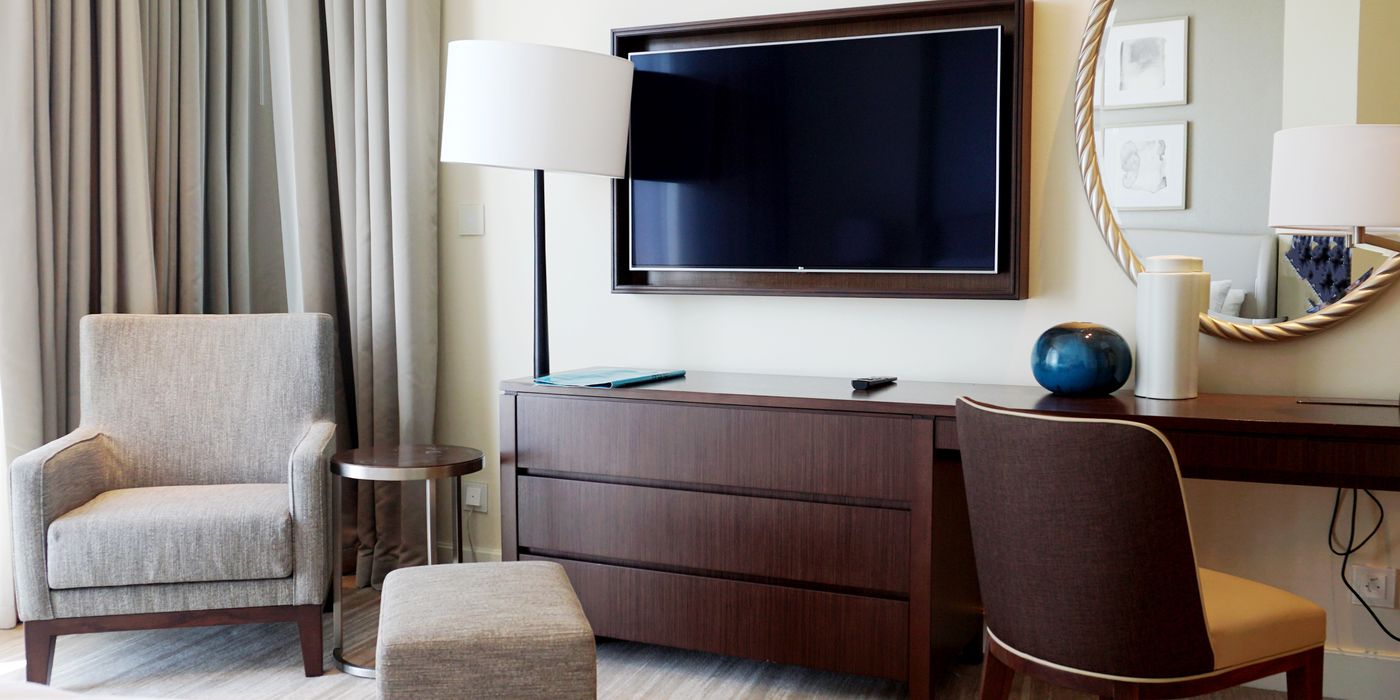
For boutique with sea views, Hotel NH Trieste or Savoia Excelsior Palace are the established choices. Both run €140 to €200 in peak season for a sea-facing room. The Savoia is the grand option, but the NH is often a better value.
For under €100 per night, look at B&B De Pellegrini or Residence Le Terrazze. Both are well-located, clean, and run by people who care about repeat guests.
If you're booking through Best, our cashback applies to most Trieste hotels. On a five-night stay at €130 per night, that's €65 back. Worth checking.
Frequently Asked Questions
Is Trieste safe for tourists in summer 2026? Yes. Trieste consistently ranks as one of the safest cities in Italy. Petty theft is rare compared to Rome, Florence, or Naples.
Do I need to speak Italian? English is widely spoken in central Trieste, especially at hotels and restaurants used to international students from the science institutes. Outside the center, basic Italian helps.
How long do I need in Trieste? Three days for the city itself. A full week if you want to do day trips into Slovenia, Croatia, and the Italian wine country.
Is Trieste good for families? Yes. Compact, flat, easy to walk. The waterfront promenade is stroller-friendly. The aquarium and the science museum (Immaginario Scientifico) are well-regarded.
What's the weather like in summer? Average highs of 28°C in July and August. The bora wind keeps it from feeling oppressive. Evenings are pleasant. Rain is rare.
Images via Unsplash, used under license.