What Hotels Actually Make on Your Room in 2026 (the Margins, Explained)
A 200 dollar room does not make the hotel 200 dollars. Here is where your nightly rate really goes in 2026, why resort fees exist, and how to use the margins to pay less.

A 200 dollar hotel room does not make the hotel 200 dollars. It does not make them anywhere close. Once you see what a room actually keeps, the whole pricing game starts to make sense, including why the same room swings 80 dollars in a day and why the front desk keeps offering you a paid upgrade.
We track hotel economics at Best because the margins are the product. Here is where your money really goes when you book a night, and how to use that knowledge to pay less.
The rate is revenue, not profit
The number you pay is the top line. What the hotel keeps after running the building is a much smaller figure. The industry measures the real take with a metric called GOPPAR, gross operating profit per available room.
In the Americas, GOPPAR has been running around 105 dollars in recent rolling averages. That is gross operating profit spread across every room the hotel could have sold, not the sticker price of one night. Net profit margins for hotels typically land between 15 and 20 percent once everything is paid.
There is an even sharper number. In European hotels, flow-through has been running near 35 percent, which means for every extra dollar of revenue a hotel brings in, only about 35 cents reaches the bottom line. The other 65 cents was already spoken for.

Where your nightly rate goes
Start with labor, the biggest single cost in most hotels. Front desk, housekeeping, maintenance, and management eat a large slice of every rate, and it is a slice that does not shrink when the room is cheap.
Then the building itself. Utilities, insurance, property taxes, repairs, and often a heavy mortgage all get paid whether the room sells for 120 dollars or 250. These are fixed, which is exactly why hotels chase occupancy so hard. An empty room still costs them money.
Then distribution. When you book through a major booking platform, the hotel usually pays that platform a commission, commonly in the range of 15 to 25 percent of the room rate. On a 200 dollar room, that can be 30 to 50 dollars gone before the hotel cleans a single towel.
Why hotels pile on extras
Because the room itself is a thin-margin business, hotels lean on everything around the room. At full-service properties, food and beverage, spa, parking, and resort fees can make up 20 to 40 percent of gross revenue, and a lot of that carries fatter margins than the room.
The resort fee is the clearest example. It runs 10 to 50 dollars a night, it is mostly profit, and it gets bolted onto rooms whether or not you use the pool or the gym it supposedly covers. The fee exists because it lets a hotel advertise a lower headline rate while still collecting more from you.
Parking, early check-in fees, late checkout fees, and the minibar all play the same role. They are margin repair. The room got sold cheap to win the booking, and the extras quietly put the profit back.

The cashback angle hides in the commission
Look again at that 15 to 25 percent distribution cost. That money is the margin the booking industry built itself on. Travel companies sit between you and the hotel and take a cut of nearly every night booked across the planet.
Most platforms keep that cut. They optimize for their own margin, which is the entire reason the system looks the way it does. We built Best to run the other way. We take the platform economics and hand the savings back to you as 10 percent cashback on the stay.
So a 200 dollar room booked through Best comes with 20 dollars back. You still get the convenience of booking online, the price comparison, and the confirmation. You just stop being the only person at the table who does not get a cut.
How to use this when you book
Three habits follow naturally once you know the margins. First, always read the total price with fees, not the headline rate, because the headline is engineered to look low. The fees are where the real number hides.
Second, treat the paid upgrade and the add-ons as the high-margin offers they are. Sometimes the upgrade is worth it. Often it is the hotel repairing margin on a room you already like.
Third, capture the value that usually disappears into distribution. A points program, a member rate, or cashback turns the industry's own commission structure into money in your pocket. That last one is the gap most travelers still leave on the table.
Frequently asked questions
How much profit does a hotel make on a room?
Less than the rate suggests. Net margins usually run 15 to 20 percent, and in Europe only about 35 cents of each new revenue dollar reaches the bottom line. Labor, the building, and distribution costs take most of it.
What is GOPPAR?
Gross operating profit per available room. It spreads a hotel's operating profit across all its rooms, sold or not. In the Americas it has recently averaged around 105 dollars, which is well below typical nightly rates.
Why do hotels charge resort fees?
To advertise a lower room rate while still collecting more. Resort fees run 10 to 50 dollars a night, are mostly profit, and apply whether or not you use the amenities they claim to cover.
Do hotels pay booking platforms a commission?
Yes. Hotels commonly pay major booking platforms 15 to 25 percent of the room rate. That distribution cost is the margin the booking industry runs on, and it is the same value Best returns to travelers as cashback.
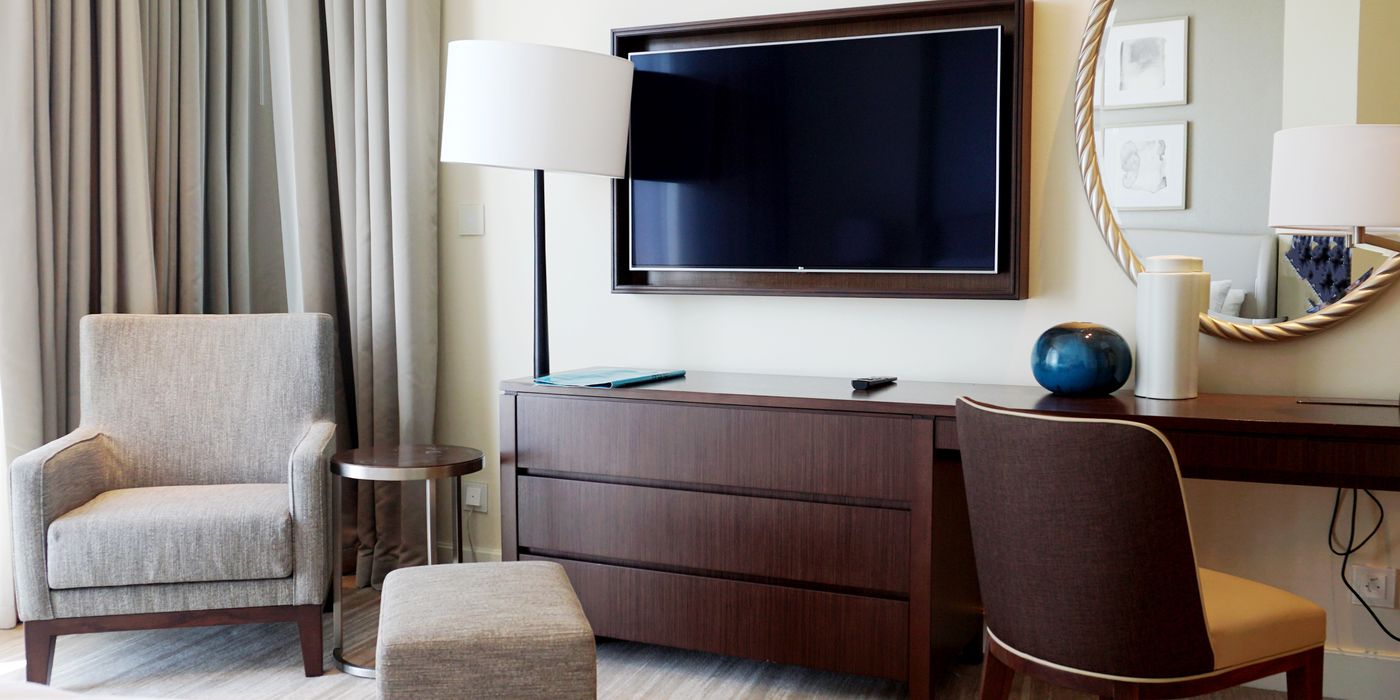
Images: Hero hotel reception and mid-range room via Pexels, used under the Pexels license. Hotel lobby (Crowne Plaza Vientiane) via Wikimedia Commons, used under license.