Where to Stay in Cappadocia in 2026, Town by Town
Five towns, one valley system, and a 200 euro swing in nightly rates. Where to sleep in Cappadocia depending on what you actually came for.
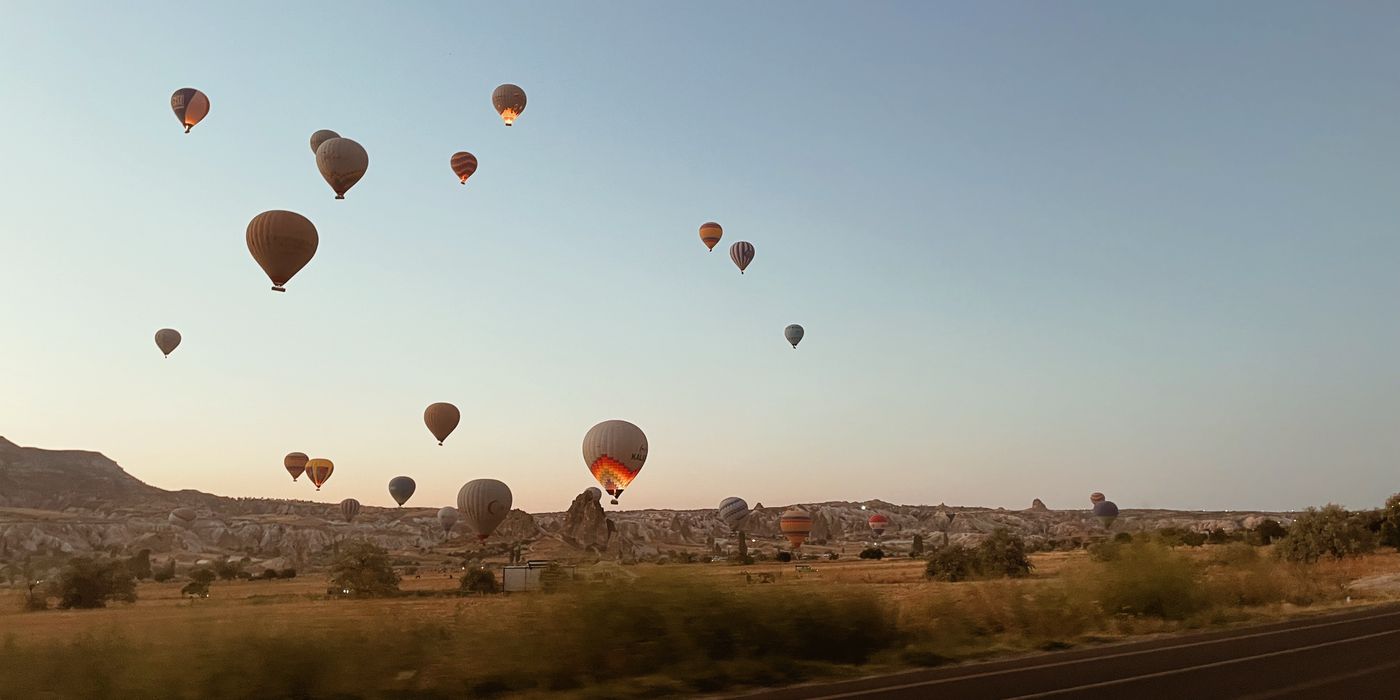
Cappadocia is not a city. It is a volcanic valley system in central Türkiye covering roughly 1,300 square kilometres, and the balloons everyone books the trip for launch from a handful of specific fields. Where you sleep decides whether you walk five minutes to a launch site at 4:45am or ride a shuttle for twenty five.
That single choice also swings your nightly rate by 200 euros. Cave hotel prices in the region run from about 40 euros a night to over 600, and the spread has almost nothing to do with quality. It tracks which of the five main towns you picked.
The geography, quickly
Five towns matter. Göreme sits in the middle of the fairy chimney fields and takes the most tourism. Uçhisar is fifteen minutes west, higher up, quieter, more expensive. Ürgüp is ten minutes east and is an actual working town with wine bars. Ortahisar sits between Göreme and Ürgüp and gets almost no attention. Avanos is north on the Kızılırmak river and is the family option.
Everything is within a 20 minute drive of everything else. Nowhere is far. But at 4:30am in October, twenty minutes of shuttle time is the difference between a calm morning and a stressful one.
Göreme is the default, and usually the right call
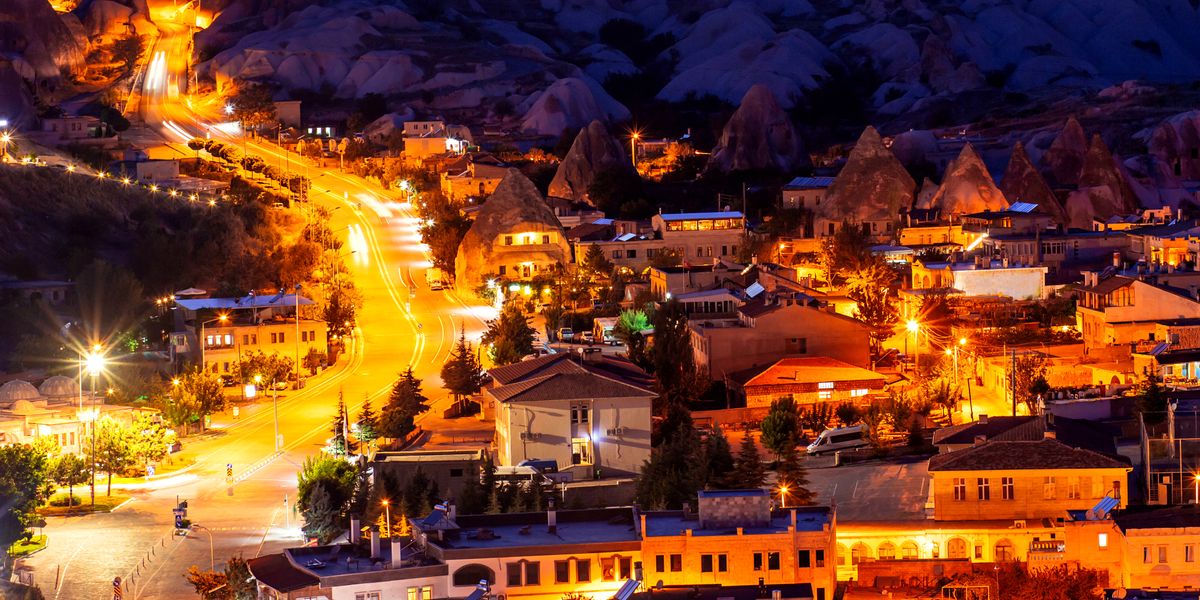
Göreme is where most people should stay. A mid-range cave room in Göreme runs about 70 to 140 euros a night in shoulder season and 45 to 80 in winter. It is walkable end to end in fifteen minutes, the balloon launch fields are on the edge of town, and every tour operator picks up from here first.
The trade is that Göreme knows what it is. The main street is carpet shops, pottery shops and restaurants with photos on the menu. It gets loud. If you want the version of Cappadocia that shows up on Instagram, this is it, and it is genuinely good. Just do not expect quiet.
Book the upper part of town if you can. The hotels cut into the hillside above the centre get the terrace views over the valley. The ones on the flat near the bus station get a view of the road.
Uçhisar has the view, at a price
Uçhisar is built around a hollowed rock castle that is the highest point in the region. The views from the village down over Pigeon Valley are the best in Cappadocia, and the hotels charge for that. Expect 120 to 350 euros a night for a decent cave suite, and 400 plus for the well known ones.
It is much quieter than Göreme. Fewer shops, better restaurants, more couples and fewer tour groups. If you are here for three nights and one of them is a splurge, this is where to spend it.
The catch is logistics. Balloon pickups are earlier, dinner options after 9pm thin out fast, and you will be taking taxis to Göreme more than you expect.
Ürgüp is for people who want a town, not a set
Ürgüp has about 20,000 residents, a proper high street, a Saturday market and the best wine scene in the region. Cappadocia is a wine growing area and most visitors never notice. Ürgüp is where you fix that.
Rates land in the 50 to 150 euro range for cave rooms, which makes it the best value per euro in the region for mid-range travellers. It is also the base for the Red Tour route and sits closest to the Devrent and Pasabag valleys.
Stay here if this is your second visit, if you are travelling for more than four nights, or if you want to eat somewhere that is not built around a tour bus schedule.

Ortahisar and Avanos are the ones nobody books
Ortahisar is a village of about 5,000 people built around its own rock castle, ten minutes from Göreme. It has maybe a dozen small cave hotels, rates around 40 to 90 euros, and almost no foot traffic. If your priority is waking up somewhere that feels like a place rather than a product, this is the pick.
Avanos sits on the river and is known for pottery. It is flatter, greener, and has more standard hotel rooms and family suites than cave rooms. Rates run 45 to 110 euros. Families with young kids often do better here because the terrain is easier and the hotels have actual lifts.
Both cost you convenience. You will need a rental car or a lot of taxi rides.
What a cave hotel actually is
The rock here is volcanic tuff, soft enough to carve with hand tools and hard enough to hold a ceiling. People have been cutting rooms into it for around 1,500 years. Modern cave hotels are either restored historic dwellings or rooms cut recently to look like them.
Four things to check before you book a cave room.
Windows. A true cave room has one exterior wall at most. Some have none. If you need daylight, filter for rooms with a terrace or read the reviews for the word dark.
Humidity and heating. Stone holds cold. Good cave hotels have underfloor heating and dehumidifiers. Cheap ones have a space heater and a damp smell. Winter bookings should confirm heating type in writing.
Stairs. These are hillside buildings. Many have 40 or more steps between reception and the room, with no lift possible. If mobility is a factor, ask for a step count, not a yes or no.
Terrace access. The balloon view at sunrise is the whole point. Confirm the hotel has a guest terrace and that it is open at 6am, because some are not.
When to go, and what it costs
Balloons fly year round but get cancelled for wind. Flight rates are highest in late spring and early autumn.
April to June and September to October are the sweet spot for weather and flight reliability. They are also peak pricing, with cave hotel rates running 30 to 50 percent above the annual average.
July and August are hot, often above 33C, and busy. November through March drops rates by up to 40 percent, and a snow covered Cappadocia is genuinely worth seeing, but balloon cancellations climb and some hotels close.
A realistic three night budget for two people in shoulder season, staying mid-range in Göreme, comes to roughly 300 euros for the hotel, 400 euros for two balloon flights, 120 euros for tours and 150 euros for food. Call it 970 euros before flights.
Getting there
Two airports serve the region. Nevşehir Kapadokya (NAV) is 30 minutes from Göreme and has fewer flights. Kayseri Erkilet (ASR) is about 75 minutes away and has far more, including most of the cheap domestic connections from Istanbul.
Nearly every hotel arranges shuttle transfers for around 10 to 15 euros a person from either airport. Book it with the hotel rather than at arrivals.
Cappadocia is one of the places where hotel spend dominates the trip budget, since the flights are cheap and the activities are priced in cash. If you are booking a cave hotel for three or four nights, that is the line item worth optimising. Best gives you 10 percent cashback on hotel bookings, which on a 300 euro stay is 30 euros back. Roughly a nice dinner in Ürgüp.
Common questions
Is Göreme or Uçhisar better for first timers? Göreme. It is cheaper, more walkable, and closer to the balloon fields and the tour pickups. Uçhisar has better views and a quieter feel but costs roughly double and needs more taxis.
How much does a cave hotel in Cappadocia cost? Budget cave rooms start around 40 euros a night in Ortahisar and Avanos. Mid-range rooms in Göreme and Ürgüp run 70 to 150 euros. Luxury cave suites in Uçhisar run 300 to 600 euros and higher in peak season.
How many nights do you need in Cappadocia? Three is the honest minimum. One morning for the balloon, one for the Red Tour valleys and Göreme Open Air Museum, one for the Green Tour or the underground cities. Build in a spare morning because balloon flights get cancelled for wind and rebooking eats a day.
Do you need a car in Cappadocia? Not if you stay in Göreme or Ürgüp and use tours. Yes if you stay in Ortahisar or Avanos, or if you want to see the quieter valleys on your own schedule.
Which town is quietest? Ortahisar, by a wide margin. Uçhisar is the quietest of the popular towns.
Images: Hero by Hatice and Goreme panorama by Vitaly Gariev, via Pexels. Fairy chimneys by flaviospugna, via Pixabay.



