Where to Stay in Istria, Croatia. A 2026 Guide to the Peninsula Everyone Compares to Tuscany
Rovinj, Motovun, Pula, or Poreč. Where to base yourself in Istria, what each town costs in 2026, and why October is the month to aim for.
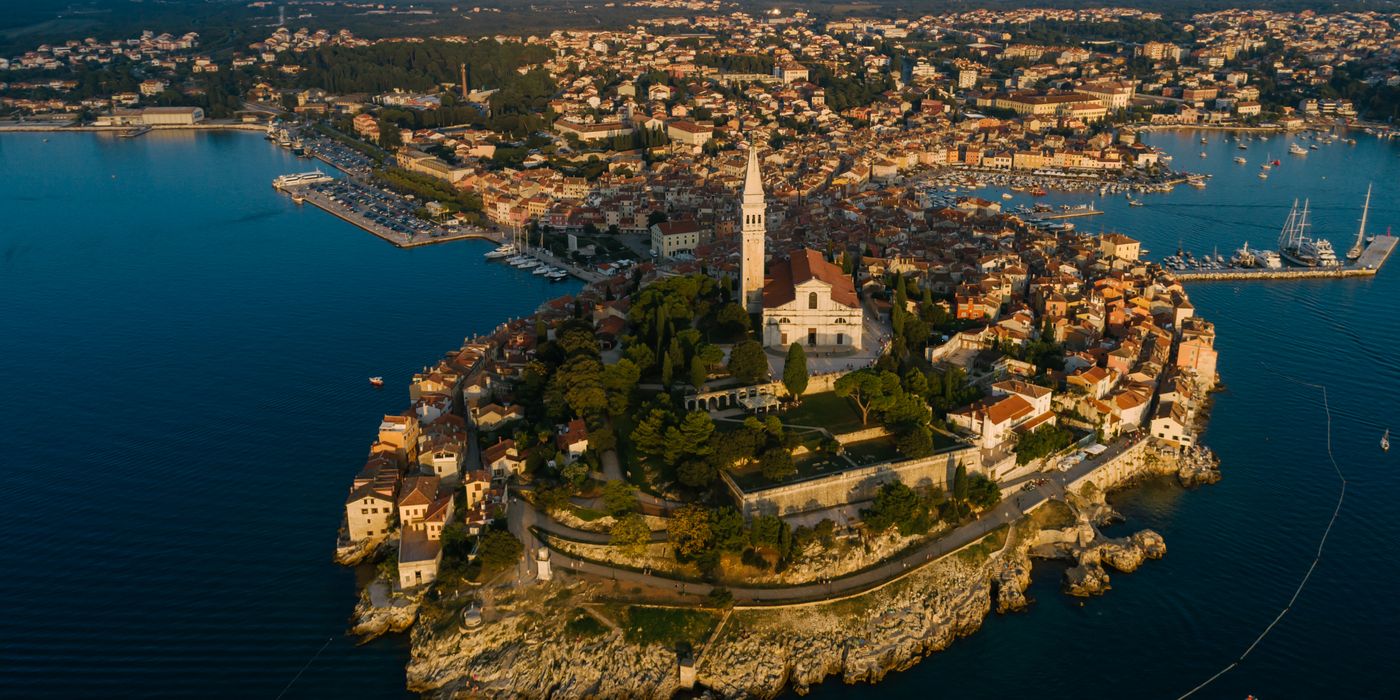
Istria gets described as Tuscany 30 years ago, and for once the comparison holds up. Croatia's heart-shaped northern peninsula has medieval hill towns, white truffles, olive oil that wins international awards, and a coastline of Venetian harbor towns. What it doesn't have yet is Tuscany's prices. A night in a good Rovinj boutique hotel still costs less than half its Florence equivalent.
Food and wine writers have spent 2026 declaring Istria the next big thing for slow travel in Europe. They're right, which means the window is closing. Here's where to base yourself, what each town costs, and when to go.
Rovinj, the Postcard Base
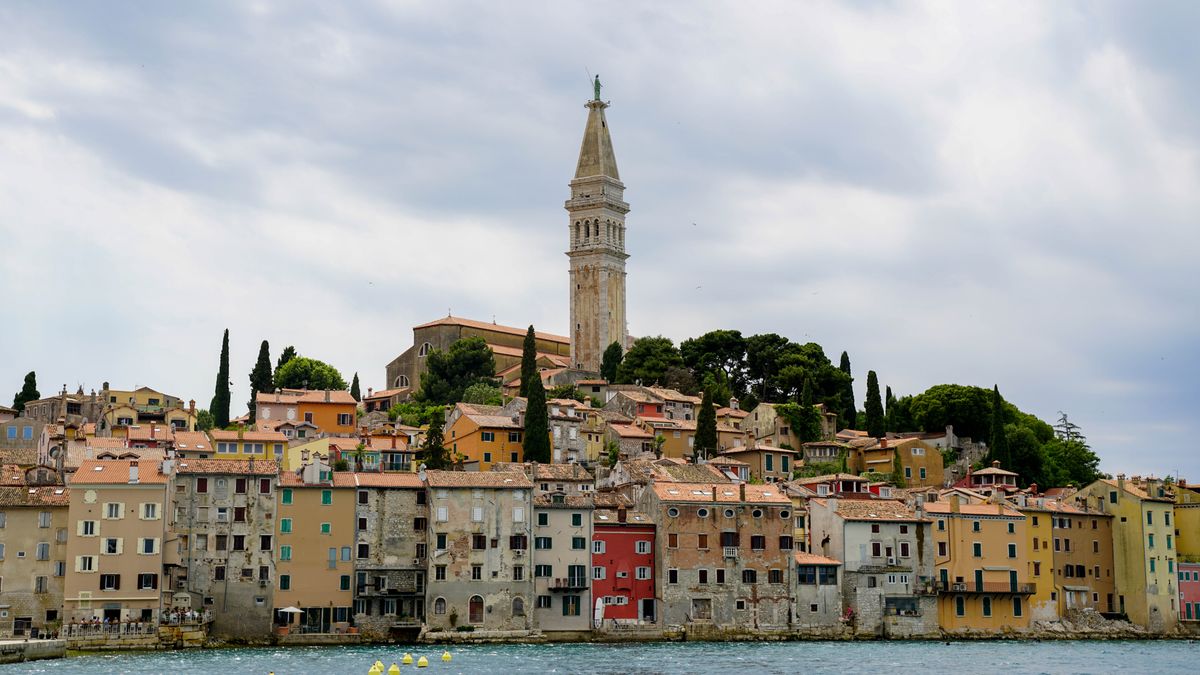
Rovinj is the town on every Istria cover photo, a cone of pastel houses stacked around a church campanile on a small peninsula. It's the best all-around base if this is your first trip. The old town is car-free and genuinely lived-in, the harbor is full of working fishing boats, and Lim Fjord and the Golden Cape park are both within 20 minutes.
Boutique hotels inside the old town run $130 to $220 per night in summer, dropping to $90 to $150 in September and October. Family-run guesthouses just outside the center go for $70 to $110. Book two to three months ahead for July and August. Shoulder season needs far less lead time.

Motovun and the Hill Towns, for Food and Quiet
Inland Istria is the part that earns the Tuscany talk. Motovun sits on a 270-meter hill above the Mirna river valley, ringed by walls you can walk in 15 minutes. Below it grows the forest where Istria's white truffles are hunted every fall. Nearby, Grožnjan is an artists' village of galleries and stone lanes, and Oprtalj barely sees a tour bus all year.
Stay in a converted stone farmhouse or a small family hotel. Rates run $80 to $140 per night, often with breakfast from the farm itself. October is the best month of the year here. That's white truffle season, when Motovun's restaurants shave them over handmade pasta for a fraction of what Alba charges across the Adriatic.
You need a car for inland Istria. Distances are short, 30 to 45 minutes between most towns, and the driving itself is a highlight.

Pula, for Roman Ruins and Lower Prices
Pula is Istria's biggest city and its transport hub, home to a first-century Roman amphitheater that still hosts summer concerts and film festivals. The city is grittier than Rovinj and noticeably cheaper. Solid three-star hotels run $60 to $100 per night even in peak season, and the Verudela peninsula just south has swimming coves and resort hotels with sea views for $100 to $160.
Base here if you're flying into Pula airport, traveling on a budget, or want a real city rather than a resort town. Rovinj is 40 minutes north when you want the postcard.
Poreč, for Families
Poreč is the family workhorse of the coast. The Euphrasian Basilica, a UNESCO site with sixth-century mosaics, anchors a pleasant old town, and the hotel strip along the Lanterna peninsula is built for kids, with pools, beaches, and half-board deals. Family rooms run $110 to $180 in summer. It has less character than Rovinj and more convenience.
What to Eat While You're There
Istria's food is the reason half its visitors come back. The peninsula grows some of the world's most awarded olive oils, and tasting rooms around Vodnjan pour flights of them the way Napa pours cabernet. The house pasta is fuži, hand-rolled tubes that show up under truffle shavings inland and under scampi on the coast. Boškarin, the native long-horned ox, appears on serious menus as carpaccio or slow-cooked pasta sauce. And the Lim channel between Rovinj and Poreč farms oysters and mussels you can eat at plastic tables 20 meters from the water for a third of what they'd cost in Paris.
The wines deserve equal billing. Malvazija is the crisp white that goes with everything on the coast. Teran is the peppery red the locals defend with regional pride. Winery visits around Motovun and Buje rarely need appointments outside August, and tastings run $10 to $20.
Two Day Trips Worth the Detour
From Pula, the Brijuni islands are a 15-minute boat ride and a genuine oddity, a national park that was Tito's private summer residence, complete with a safari park descended from diplomatic gifts and Roman villa ruins along the shore. Tours run about $40 and take half a day.
South of Pula, Cape Kamenjak is the peninsula's wild tip, a nature reserve of coves, cliffs, and swimming spots reached by gravel roads. Entry is a few euros per car, the water is the clearest in Istria, and the beach bar hidden in the Kolombarica cove serves cold drinks to people who just jumped off the rocks. Go on a weekday and it feels private.
When to Go and Getting There
May, June, September, and October are the months to aim for. July and August bring the highest prices and the Italian and Austrian holiday crowds. October adds truffle season inland while the coast stays warm enough for swimming most years.
Pula has Istria's own airport with seasonal European connections. Trieste in Italy is 90 minutes from northern Istria and often has cheaper fares. Zagreb is a three-hour drive. Croatia joined the euro and Schengen in 2023, so border crossings from Italy and Slovenia are now seamless, and there's no currency math to do.
A useful pattern for a week. Three or four nights in Rovinj for the coast, then two or three inland around Motovun for the food. Two bases, under an hour apart, two completely different trips.
If you're booking hotels in Istria, Best (best.so) returns 10 percent of the booking as cashback. On a week split between Rovinj and Motovun, that's roughly $80 back.
The Budget Snapshot
A realistic shoulder-season day in Istria for two runs like this in 2026. The double room averages $100 to $130 across a coast-plus-inland split. A rental car with fuel adds $45 to $60. Dinner with a bottle of Malvazija lands between $45 and $70, more if truffles get involved, and they should. Konoba lunches, coffee, and swimming spots barely register. Call it $210 to $270 per day for two before cashback, which is roughly what a single mid-tier hotel room costs in the Italian regions Istria keeps getting compared to.
Questions Travelers Ask About Istria
Is Istria expensive?
Not by Western European standards. As of mid-2026, a good double room averages $90 to $150 per night in high season, dinner for two with wine runs $40 to $70, and inland guesthouses are cheaper still. Comparable Italian regions cost 50 to 100 percent more.
What is the best town to stay in Istria?
Rovinj for a first visit and coastal atmosphere, Motovun for food and wine, Pula for budget and transport links, Poreč for families. Most week-long trips work best split between one coastal and one inland base.
When is truffle season in Istria?
White truffle season runs from mid-September through December, peaking in October and November. Black truffles are found year-round. Motovun and Buzet are the two main truffle towns.
Do you need a car in Istria?
On the coast, no. Buses connect Pula, Rovinj, and Poreč frequently. For the hill towns, yes. Rentals from Pula airport run $30 to $55 per day in shoulder season.
Images. Hero, aerial Rovinj by Mikhail Nilov via Pexels. Motovun by Aconcagua and Pula arena by Diego Delso via Wikimedia Commons, used under Creative Commons licenses. Rovinj waterfront by Vladimir Srajber via Pexels.