Where to Stay in Malta in 2026
Malta is small enough to cross in an hour, so where you stay is about your evenings, not your commute. Six areas, real shoulder season rates, and the trade-offs nobody mentions.
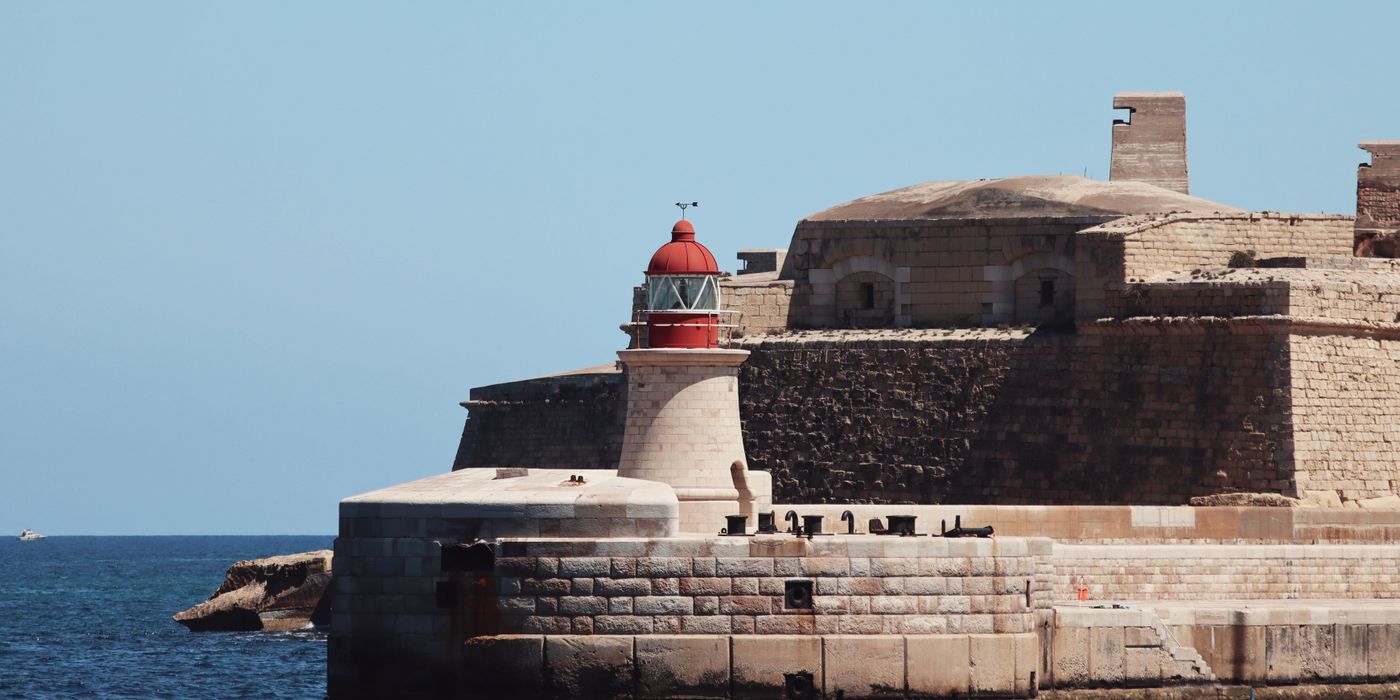
Malta is 316 square kilometres. You can drive from the northern ferry terminal to the southern fishing villages in about an hour, and the bus network reaches nearly everything else. So the real question of where to stay in Malta has almost nothing to do with access. It has everything to do with what you want your evenings to look like.
Here is the short version. A mid-range hotel room in Sliema or St Julian's runs roughly 90 to 180 euros per night in shoulder season. A boutique room inside Valletta's walls runs 120 to 250 euros for the same dates. Hostel dorms sit around 24 to 36 dollars, and simple private rooms start near 50 to 70 euros once the summer crowd leaves. Those numbers explain most of the decision.
We pulled rates across six areas for October and November 2026 and the pattern repeated everywhere. On this island you are not paying for the room. You are paying for the walk home.
Valletta, if the walk home should be the best part
Valletta is a fortified city of about 5,700 residents built on a peninsula by knights who had very specific opinions about sightlines. It is one of the smallest capitals in Europe and one of the densest. Every street ends in water or a bastion wall.
Staying inside the walls costs 120 to 250 euros a night for a boutique room in shoulder season, and the buildings are mostly converted 16th and 17th century townhouses. That means thick limestone, small windows, steep stairs, and rarely a lift. Check the listing photos for stairs if that matters to you.
What you get is the part people underestimate. Valletta empties out after the day-trip buses leave around six. Strait Street, which spent decades as the roughest bar strip in the Mediterranean and now runs on natural wine and jazz, gets good at nine. The Upper Barrakka Gardens look over Grand Harbour and cost nothing.
Skip the restaurants directly on Republic Street. Walk two blocks toward the Marsamxett side and prices drop by a third for better food.

Sliema, the practical middle
Sliema is where most first-time visitors should stay, and there is no shame in that. It sits directly across Marsamxett Harbour from Valletta, connected by a ferry that takes about ten minutes and costs a couple of euros. Buses to the rest of the island leave constantly.
Rooms run 90 to 180 euros in shoulder season for mid-range properties, and there are more of them here than anywhere else on the island, which keeps prices honest. The seafront promenade runs for kilometres and locals actually use it at seven in the morning and again at seven at night.
The trade-off is character. Sliema was rebuilt fast and much of it looks it. Modern towers, chain coffee, a lot of glass. If you want atmosphere from your front door, this is not it. If you want a good room, easy transport, and a swim off the rocks at Fond Ghadir before breakfast, it is hard to beat.
St Julian's and Paceville, if you are out late
St Julian's runs one bay north of Sliema and blends into Paceville, which is Malta's nightlife district and behaves exactly the way that sounds. Rates track Sliema closely, sometimes a little higher because of the resort properties on Spinola Bay.
Spinola Bay itself is genuinely lovely at dusk, with the painted luzzu boats and the restaurants stacked up the hill. Paceville, four hundred metres uphill, is a different proposition entirely and gets loud until four in the morning on weekends.
If you book here, look at the map before you book. A room on the Spinola side is calm. A room on the Paceville side needs earplugs. The difference is a five minute walk and sometimes zero difference in price.

Mdina and Rabat, if you want quiet
Mdina is the old capital, a walled hilltop town in the centre of the island with roughly 250 permanent residents. It is called the Silent City and the name is accurate after dark, once the coaches leave.
There are only a handful of places to stay inside the walls and they book out early. Rabat, immediately outside the gates, has more options and costs 30 to 40 percent less. Both are about a 35 minute bus ride from Valletta, which is the catch. You trade convenience for the experience of walking empty medieval streets at ten at night with the whole island lit up below you.
This works best as a two night stop inside a longer trip rather than a base for the whole week.

Gozo, if you actually want to slow down
Gozo is the second island, about 25 minutes by ferry from Cirkewwa at the northern tip of Malta. It is greener, quieter, and roughly a third the price for equivalent accommodation. Farmhouse conversions with private pools go for 100 to 160 euros a night in October, which is less than a standard hotel room in St Julian's.
Victoria sits in the middle with its citadel. Xlendi and Marsalforn are the two main coastal bases. Ramla Bay has the red sand. The Blue Hole at Dwejra remains one of the better shore dives in the Mediterranean, though the Azure Window arch that used to sit above it collapsed into the sea in 2017, so adjust your expectations for the photographs.
Rent a car if you stay on Gozo. The bus network exists but runs on a schedule that assumes you have nowhere to be.

Marsaxlokk and the south, for a different Malta
Marsaxlokk is a working fishing village on the southeast coast, full of painted luzzu boats with eyes on the prow. The Sunday market is the real one, not a staged version. Accommodation is thin here and mostly guesthouses, but rooms run 60 to 100 euros and the fish restaurants along the quay are the best value meals on the island.
Nearby, St Peter's Pool is a natural swimming spot cut into flat rock. Go early. By eleven in the morning in shoulder season there are already forty people on a ledge built for fifteen.
What Malta costs in shoulder season 2026
| Area | Mid-range nightly rate | Best for |
|---|---|---|
| Valletta | 120 to 250 euros | Atmosphere, short trips, no car |
| Sliema | 90 to 180 euros | First visits, transport, swimming |
| St Julian's | 95 to 190 euros | Nightlife, resort pools |
| Rabat and Mdina | 70 to 140 euros | Quiet, history, a car |
| Gozo | 100 to 160 euros (farmhouse) | Slow trips, groups, diving |
| Marsaxlokk and south | 60 to 100 euros | Food, swimming, fewer tourists |
Ranges reflect October and November 2026 mid-range double rooms. Peak July and August rates run 40 to 70 percent higher.
When to go
October is the best month in Malta and it is not close. Sea temperature holds at 23 to 24 degrees Celsius through the month, which is warmer than the Atlantic coast of Portugal in August. Air temperature settles into the mid twenties after the first week. Hotel rates drop noticeably from the summer peak while the water stays swimmable.
May and early June do something similar on the way up, though the sea is a few degrees cooler. July and August are hot, crowded, and expensive in that order. January through March are cheapest, the sea is out, and roughly half the coastal restaurants close.
One line item to plan for. Every visitor aged 18 and over pays Malta's Environmental Contribution on paid accommodation, charged per night with a per-stay cap. It is small, it is not always included in the online rate, and it is usually collected at check-in.
Getting around without renting a car
Malta drives on the left, the roads are narrow, and parking in Valletta and Sliema is genuinely difficult. For a trip based in Sliema, Valletta, or St Julian's, skip the car. Buses are cheap, the Valletta ferry is quick, and taxis are plentiful.
Rent a car if you are staying in Mdina, Rabat, the south, or on Gozo. Those areas are poorly served by the network and the difference in how much of the island you see is large.
A note on booking
Malta rates move fast in shoulder season because supply is genuinely limited. There are only so many rooms inside Valletta's walls. If you find a rate you like for October, it is unlikely to get cheaper.
We built Best because the gap between what a hotel charges and what a traveller actually keeps is bigger than most people realise. Booking a 140 euro room in Sliema through Best returns 14 euros in cashback. Over a five night trip that covers a very good dinner in Marsaxlokk.
Common questions about staying in Malta
Is Valletta or Sliema better for a first trip?
Sliema, for most people. It has more rooms, better transport, and easier prices, and Valletta is ten minutes away by ferry. Choose Valletta if the trip is three nights or shorter and atmosphere matters more than budget.
How many days do you need in Malta?
Five nights covers Malta properly. Seven lets you add two nights on Gozo without rushing. Three nights works only if you stay in Valletta or Sliema and accept that you will not see the south.
Do you need a car in Malta?
Not if you stay in Sliema, St Julian's, or Valletta. Yes if you stay inland, in the south, or on Gozo. The bus network is cheap and reliable along the coast and thin everywhere else.
Is Malta expensive?
Less than Italy or Spain for accommodation in shoulder season, and noticeably less for food. A good fish dinner in Marsaxlokk runs 25 to 35 euros per person. The same meal in coastal Sicily runs closer to 50.
What is the cheapest month to visit Malta?
January and February have the lowest hotel rates of the year, often 50 to 60 percent below August. The sea is too cold to swim and many seasonal restaurants close, so the saving comes with real trade-offs.
Images: Hero of Grand Harbour via Pexels. Sliema balconies by CEphoto, Uwe Aranas. Harbour view via Pexels. Mdina street by Berthold Werner. Gozo architecture via Pexels. Wikimedia Commons images used under Creative Commons licence.