Where to Stay in Paphos, Cyprus (2026 Area Guide)
Paphos searches are up 129% for fall 2026. Which area to book, what rooms actually cost by month, and where the rate floor sits.
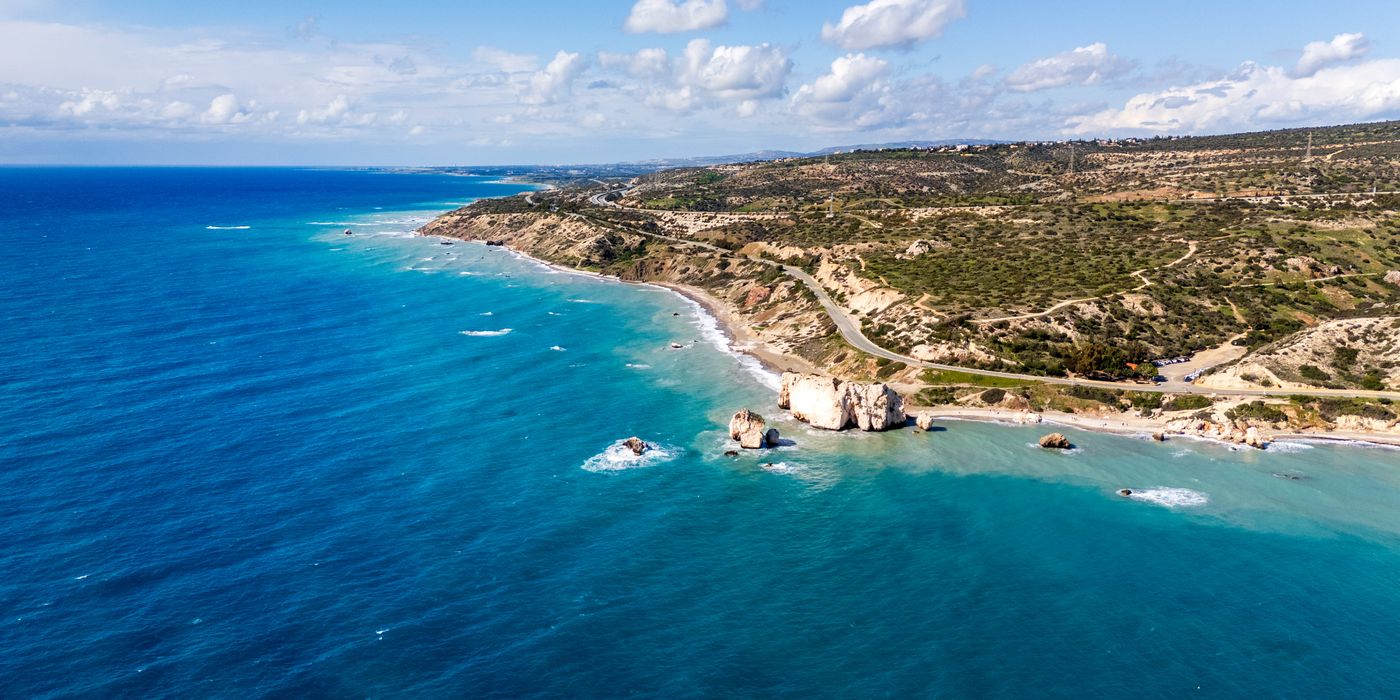
Kayak search data for fall 2026 put Paphos at the top of the list, up 129% for September and October compared with summer. That is the biggest jump of any destination in the set. Cyprus normally empties out after August, so something has shifted.
The math explains it. Sea temperatures off the southwest coast hold near 26C into late October. Crowds thin by the second week of September. Hotel rates fall roughly 40% from the August peak, where the average double room in Kato Paphos runs about $262 a night. Paphos is one of the few Mediterranean beach towns where shoulder season still behaves the way shoulder seasons used to behave.
We pulled rate data by area and walked through what each part of town actually gets you. Here is where to stay in Paphos, and what you give up by picking the cheap option.
The short answer
Stay in Kato Paphos if this is your first trip and you want to walk to the harbour, the mosaics and dinner. Stay in Coral Bay if the beach is the whole point. Stay in Ktima, the old upper town, if you want a working Cypriot town instead of a resort strip. Stay near the sea caves at Peyia if you have a rental car and want quiet. Everything else is a compromise.

Kato Paphos, the default choice
Kato Paphos is the lower town, built along the water around the medieval fort and the harbour. It holds most of the hotel supply and most of the visitors. A mid-range double here averages about $156 a night across the year. In September and October expect $110 to $170 for a solid four-star, against roughly $201 at the August peak. Waterfront properties like Almyra and Annabelle sit well above that, closer to $250 to $400 depending on the week.
The reason to stay here is walkability. The Paphos Archaeological Park, with the Roman mosaics that got the site UNESCO listed, is a ten minute walk from the harbour. The Tombs of the Kings are another twenty minutes up the coast road. You can do three days in Paphos without renting a car if you base yourself here.
The trade-off is the strip immediately behind the harbour, which is aimed squarely at package tourists. Menus in six languages, photos of the food, someone outside trying to seat you. Walk two streets inland along Apostolou Pavlou and it improves fast.
Ktima, the old upper town
Ktima sits about three kilometres uphill from the harbour and it is where people who live in Paphos actually go. The municipal market, the Ottoman-era hammam, the bakeries that open at six. Rooms here are cheaper and stranger. Small guesthouses and restored stone houses run $45 to $90 a night in the fall, and there is very little large hotel supply.
This is the right base if you have been to Cyprus before, or if resort towns make you itch. It is the wrong base if you want to swim before breakfast. The walk down to the water takes twenty five minutes and the walk back up takes longer than you think in September heat. Buses run every fifteen minutes for about 1.50 euro, so it works, it just is not spontaneous.
Coral Bay, for the beach
Coral Bay is twelve kilometres north of Kato Paphos and it has the best swimming sand in the district. A sheltered crescent between two headlands, shallow entry, calm through October. Hotels and apartment blocks cluster right behind it, and fall rates land around $80 to $150 a night for something decent with a pool.
What you lose is everything else. The restaurant scene is thin and priced for a captive audience. Once you have eaten at the four good places you are repeating yourself. Buses to Paphos town run roughly every twenty minutes and take thirty five minutes, which is fine once a day and tedious twice.
Coral Bay works for a week with kids, or a week where you genuinely intend to sit still. For a four day trip with sightseeing in it, Kato Paphos is the better pick.

Peyia and the sea caves, if you have a car
North of Coral Bay the coast breaks into limestone caves and platforms where the water runs deep and impossibly clear. The village of Peyia sits above it, and Agios Georgios above that, with a scatter of small hotels and villa rentals. Rates run $70 to $140 a night in the fall.
You need a car. There is no useful bus service and taxis to Paphos town cost around 25 to 30 euro each way. If you have one, this is the best part of the district. Sunset from the cliffs above the caves is worth arranging your day around, and the Akamas peninsula is a twenty minute drive further north.
What you will actually pay this fall
Here is the rate picture across the year, based on aggregated booking data for the district. August averages $262 a night for a mid-range double. September falls to roughly $170. October falls again to about $120. November bottoms out near $85, and some listings drop into the $40s. The spread between the cheapest month and the most expensive is more than three to one.
The interesting window is the last week of September into the first week of October. Sea temperature is still around 26C, daytime highs sit in the high 20s, and rates have already dropped 35% or more from peak. That window is why the search volume spiked.
Day of week matters more here than in most European destinations, because so much Paphos supply is package-linked and tied to charter flight schedules. Sunday arrivals have shown the lowest average nightly rate in Kato Paphos at around $111. Tuesday arrivals have shown the highest. Shifting a check-in by two days can move the total meaningfully.
Getting around
Paphos International Airport is fifteen minutes from Kato Paphos by car and about 25 euro by taxi. The 612 bus runs from the airport to the harbour for under 2 euro, but only about once an hour, and it stops in the evening.
Within the district, the local bus network covers Kato Paphos, Ktima, Coral Bay and Peyia reliably during daylight. A day pass is 5 euro. After roughly 9pm you are on taxis. Car rental in the fall runs 25 to 40 euro a day and is worth taking for two days rather than seven, if all you want is to reach the Akamas and the Troodos foothills.
What to eat
Go up to Ktima for lunch at least once. The streets around the covered market have small tavernas where meze is priced for locals, roughly 15 to 18 euro a head instead of the 30 you will pay on the harbour front.
In Kato Paphos, walk inland. The places behind the tourist strip cook the same food better and cheaper. Order sheftalia, the caul-wrapped sausage that is a Cypriot thing rather than a Greek thing, and ask what fish came in that morning instead of reading the menu.
In Peyia, the tavernas at Agios Georgios harbour serve whatever the small boats landed. Expect 22 to 30 euro for a whole fish, and expect it to be worth it.
When to book
Fall inventory in Paphos does not sell out the way Oktoberfest week in Munich sells out. Rates soften rather than spike as the date approaches, especially midweek. Booking three to five weeks ahead has historically landed close to the floor for September and October stays.
The exception is the first week of October, when several European school holidays overlap and Coral Bay in particular tightens. If that is your window, book eight weeks out.
Rates move around a lot between platforms for the same room here, partly because so much Paphos inventory sits inside tour operator contracts. If you are booking a Paphos hotel, Best will show you the lowest rate available for that room rather than the one that pays the platform the most. Worth checking before you commit.
Questions people ask about Paphos
Is Paphos still warm enough to swim in October? Yes. Sea temperature averages 25C to 26C through October and daytime air sits in the mid to high 20s. Late October is when it turns, not early October.
How much does a hotel in Paphos cost? A mid-range double in Kato Paphos averages $156 a night across the year, rising to about $262 in August and falling to roughly $120 in October and $85 in November. Four-star beachfront properties run $200 to $400.
Do I need a car in Paphos? Not if you stay in Kato Paphos and stick to the town, the archaeological park and Coral Bay. You do need one for the sea caves at Peyia, the Akamas peninsula, or the Troodos mountain villages.
Which is better, Paphos or Ayia Napa? Paphos for history, quieter beaches and a longer usable season. Ayia Napa for nightlife and the sandiest beaches on the island. They are about three hours apart by road and serve different trips.
What is the cheapest month to visit Paphos? November, at roughly $85 a night on average for a mid-range double, though the sea is cooling by then. For warm water at low rates, late September through mid October is the better trade.
Images: Hero by Atlantic Ambience. Paphos harbour by Erik Karits. Both via Pexels. Coastline by g-iceman via Pixabay.