Where to Stay in Split, Croatia: Picking the Right Neighborhood in 2026
Old Town, Bacvice, Veli Varos, Meje, or Firule. A neighborhood by neighborhood guide to where to stay in Split in 2026, with real 2026 room prices.
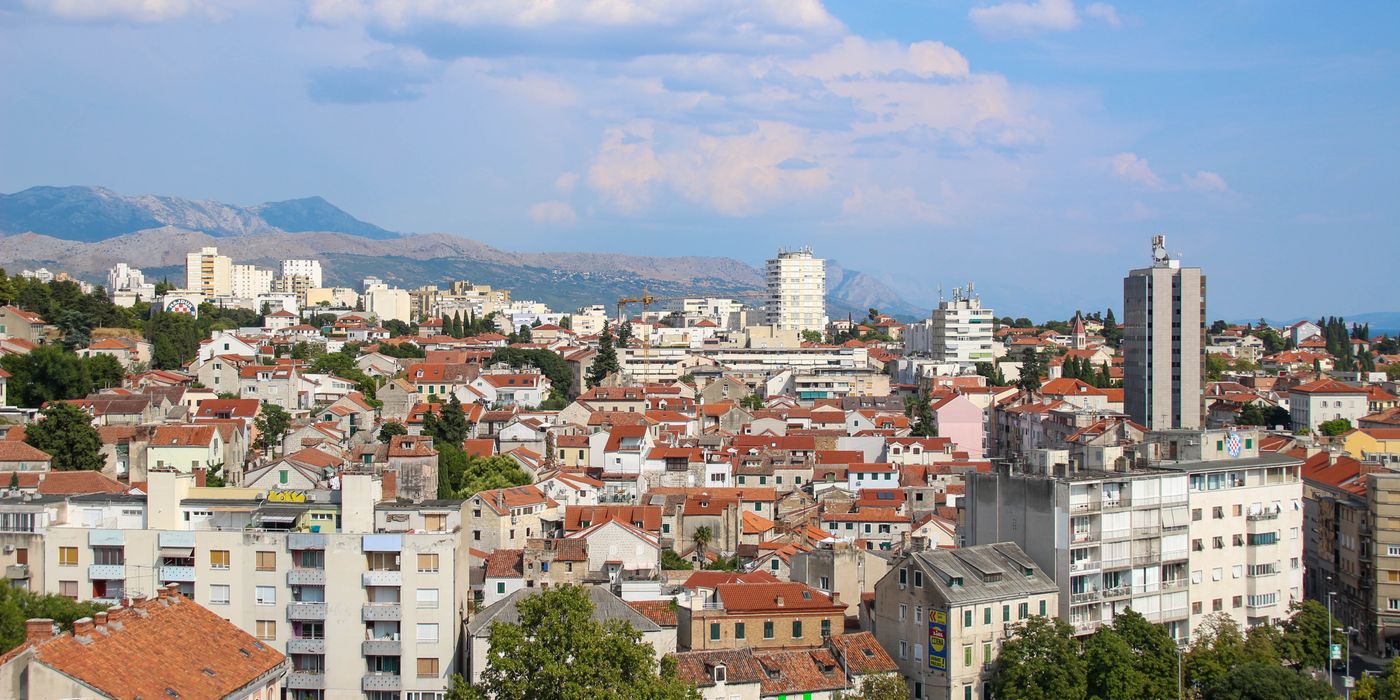
Split has a problem that most travelers only discover at 1am, dragging a suitcase across Roman flagstones while a bar three doors down plays its fourth encore. The Old Town looks flawless in photos. In July and August it also stays loud until the small hours. Where you sleep in Split changes your trip more than it does in most cities this size, because the good neighborhoods sit within a 20 minute walk of each other and feel completely different from one another.
We book a lot of hotels in Dalmatia, and Split is the one we get asked about most. So here is the honest version. Not the ten best areas. The five that actually matter, who each one suits, and what you should expect to pay in 2026.
Old Town and the Riva: central, beautiful, and never quiet
The Old Town is built inside Diocletian's Palace, a Roman structure from around 300 AD that people still live and sleep in. Staying here means stepping out of your door into 1,700 years of stonework. It also means noise. The palace walls trap sound, and summer nights turn the marble lanes into an echo chamber.
Book here if you want to be in the middle of everything and you are a heavy sleeper, or if you are traveling outside peak season. A double room in a small Old Town guesthouse runs about 120 to 180 euros a night in high summer, dropping to 70 to 100 in the shoulder months of May, late September, and October.
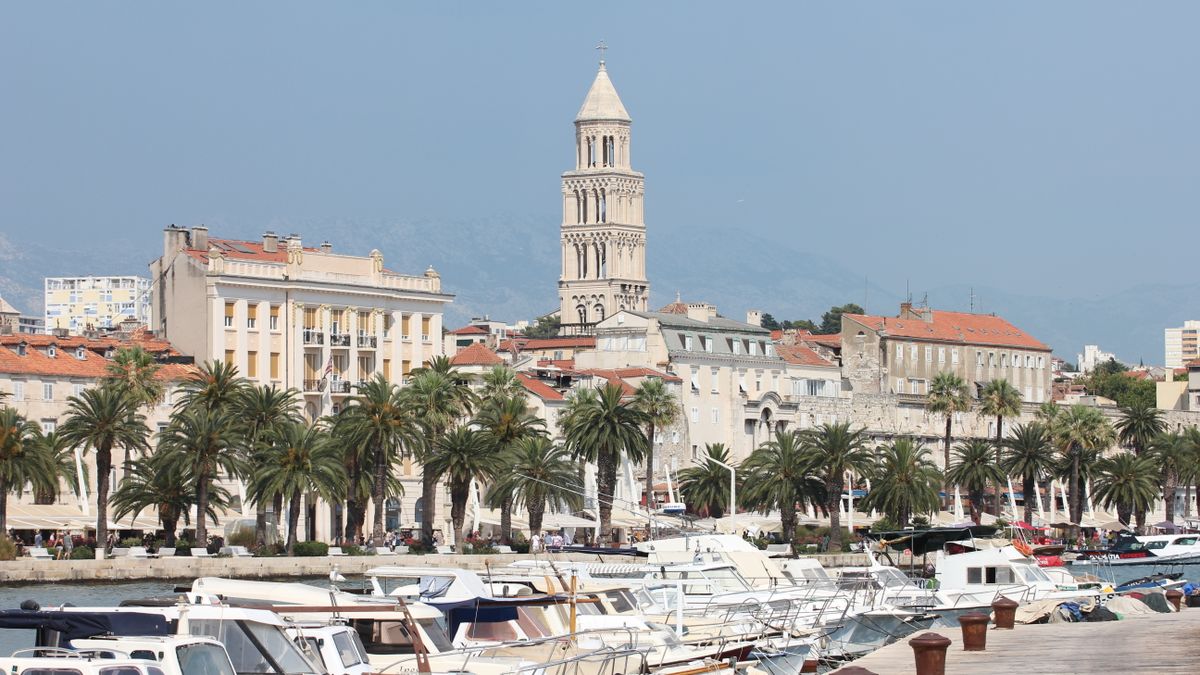
The Riva, the palm lined waterfront promenade, sits right against the palace. Rooms with a Riva view cost more and are worth it for one morning coffee, watching the ferries load for Hvar and Brač. Just know that the promenade hosts concerts and events through summer, so a view can come with a soundtrack.
Veli Varoš: the Old Town without the volume
Climb the stone stairs on the western edge of the palace and you reach Veli Varoš, an old fishermen's quarter of narrow lanes and low stone houses. It is a five minute walk down to the Riva and a ten minute walk to Marjan, the forested hill that locals treat as their backyard.
This is where we send people who want character without the 3am wake up call. The lanes are too steep and tangled for nightlife to take hold, so it stays residential. Expect to pay 90 to 140 euros a night in summer for a well kept apartment. The trade is stairs. Lots of them. Skip Veli Varoš if you have mobility issues or a heavy bag and no patience.
Bačvice: beach, walkability, and the best all round value
If you asked us to pick one area for a first trip, it would be Bačvice. It sits just east of the Old Town, a flat ten minute walk from the palace, and it has the city's most famous sandy beach right there. The water at Bačvice is shallow and warm, and in the evenings you will see locals playing picigin, a Split invention where a group keeps a small ball off the surface of the water with slaps and dives.
The accommodation here is newer than the Old Town, which means air conditioning that works and bathrooms from this decade. Prices land around 100 to 160 euros a night in high season for a modern double near the beach. You get beach access, Old Town access, real restaurants that are not tourist traps, and you can still hear yourself think at night.

Meje: quiet, green, and a little upscale
West of Veli Varoš, tucked under Marjan hill, Meje is the calm, leafy, slightly moneyed part of Split. Villas, gardens, the Meštrović Gallery with its Ivan Meštrović sculptures, and small pebble coves that most day trippers never find. It is a 20 to 25 minute walk to the Old Town, or a short bus ride.
Choose Meje if your idea of a good trip is swimming in the morning, a long lunch, and a nap, rather than bar hopping. It suits couples and anyone who has already seen the sights and wants to slow down. Summer rates run 130 to 200 euros a night, reflecting the calmer setting and the sea views some places have.
Firule and Žnjan: room to spread out, best for families
Further east along the coast, Firule and Žnjan trade Old Town proximity for space and sand. Firule beach is protected from the wind and shallow enough for small kids. Žnjan is bigger and busier, with beach clubs and a long promenade that got a full renovation in recent years.
Families do well out here. Apartments are larger, parking is easier, and the beaches are made for a day with children rather than a quick dip. You are 25 to 35 minutes on foot from the palace, so plan on buses or taxis for sightseeing. The upside shows up in price. Two bedroom apartments here often cost less than a cramped double in the Old Town, around 110 to 170 euros a night in summer for something that sleeps four.
When to go, and what it costs
July and August are hot, crowded, and expensive. Room rates in central Split run 30 to 50 percent above shoulder season, and the Old Town's restaurants push their prices up to match. If you can move your trip, the last week of May, all of June, and the middle of September give you swimmable water, open ferry routes to the islands, and rates that feel human again.
One number worth knowing. A mid range double room in central Split averages roughly 110 to 150 euros a night in peak summer and 70 to 100 in shoulder season. Book that same room through Best and you get 10 percent back, so a 130 euro room returns 13 euros. Over a week in Split, that is more than a nice dinner for two at a Varoš konoba. We track this kind of pricing because it is the whole reason we built Best.

Getting around once you arrive
Split is walkable in a way that surprises people. The five areas above sit within a rough 30 minute radius of the palace. City buses cover the eastern beaches cheaply. Taxis and ride hailing work fine for late nights. You do not need a car unless you plan day trips inland to Krka or the Cetina valley, and if you rent one, ask your accommodation about parking before you book, because the Old Town has almost none.
Ferries leave from the main port right at the Old Town, so island hopping to Hvar, Brač, and Vis is easy no matter where you sleep. That is part of why the neighborhood choice comes down to your nights rather than your days. Everyone ends up at the same ferry dock in the morning.
So where should you actually stay
First trip, want the classic Split experience and sleep like a rock: Old Town. Want the atmosphere without the noise: Veli Varoš. Want the best balance of beach, walkability, and value: Bačvice, our default pick. Traveling with kids: Firule or Žnjan. Here to slow down: Meje.
Whatever you choose, book early. Split fills up by late spring for the summer months, and the good apartments in Bačvice and Veli Varoš go first. If you are still mapping out the wider trip, our guide on where five star rooms cost less than a budget night back home pairs well with a Dalmatia itinerary.
Common questions about staying in Split
Is it better to stay in the Old Town or outside it? The Old Town is the most atmospheric and central, but also the loudest in summer. For most travelers, staying just outside in Bačvice or Veli Varoš gives you easy Old Town access with quieter nights and newer rooms.
How many days do you need in Split? Two to three days covers the city itself and one island day trip. If you want to use Split as a base for Hvar, Brač, Krka, and the Cetina valley, give it five.
What is the cheapest time to visit Split? Rates are lowest from November through March, but the swimming season and ferry frequency drop off. For warm water and lower prices, aim for late May, June, or the second half of September.
Do you need a car in Split? No. The city is walkable and buses cover the beaches. A car only helps for inland day trips, and it becomes a parking headache in the center.
Images: Hero and Split marina and waterfront by photographers via Pexels, used under the Pexels license. Diocletian's Palace by Bernard Gagnon via Wikimedia Commons, used under license.