Where to Stay in Valencia: A 2026 Neighborhood Guide
The best Valencia neighborhoods for 2026, from the old town to Ruzafa and the beach, with real nightly prices and who each area suits.

Valencia is the Spanish city that everyone means to visit and somehow keeps skipping. Barcelona takes the crowds. Madrid takes the meetings. Valencia just quietly serves the best paella in the country, keeps a beach inside the city limits, and charges about a third less for a hotel room than its famous neighbors. In 2026 that math is finally catching up with travelers.
Where you sleep changes the whole trip here. This is a city you walk, and the neighborhood you pick decides whether your mornings start with a market coffee or the sound of the sea. We booked across five different districts over the past year to figure out who each one actually suits.
The quick answer
First-time visitors should stay in Ciutat Vella, the old town. It puts the cathedral, the Central Market, and most of the historic center inside a ten minute walk. If you want restaurants and nightlife over sightseeing, base yourself in Ruzafa. If the beach is the point, sleep in El Cabanyal. Families and anyone who wants quiet get the best value in L'Eixample.
A mid-range hotel in central Valencia runs about $95 to $150 a night in shoulder season, which is spring and fall here. That is roughly 30 percent below what the same standard costs in Barcelona. Prices climb in July and August when Spaniards take their own holidays and the beach fills up.
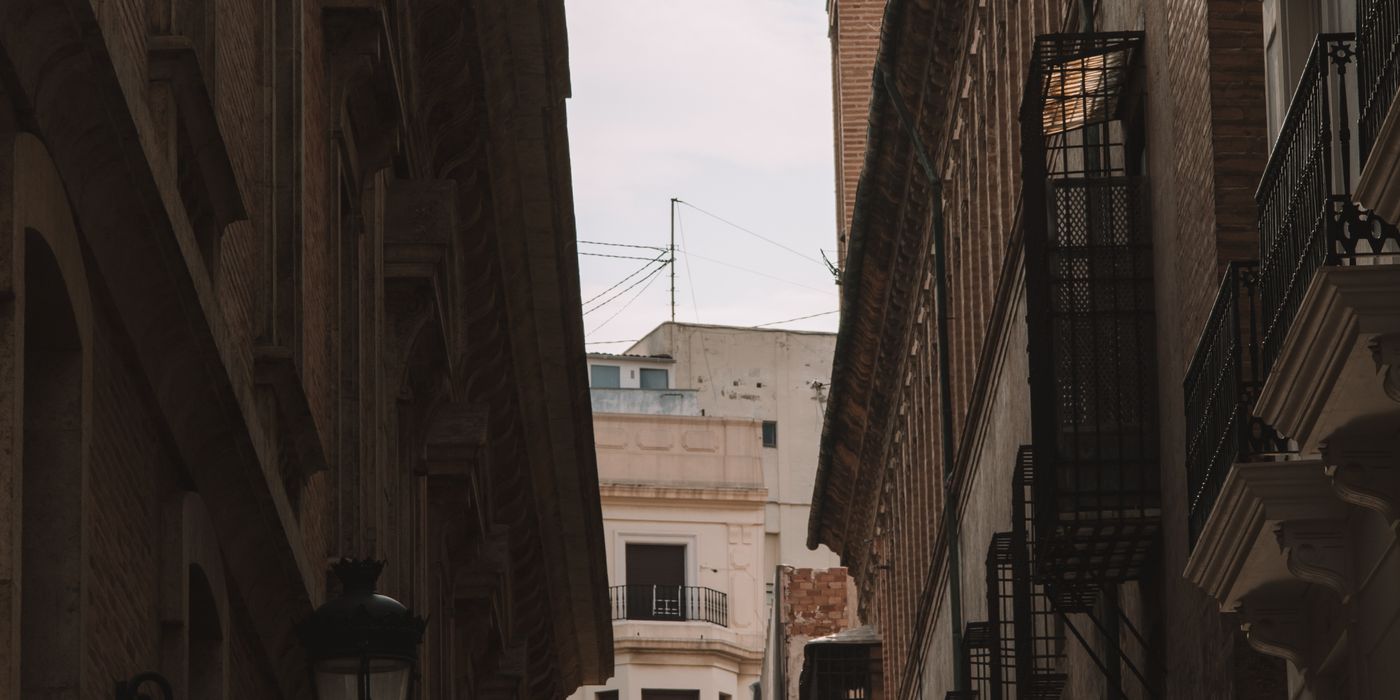
Ciutat Vella (the old town): best for first-timers
Ciutat Vella is the historic core, and it is where most people should start. The Central Market, the cathedral with its Holy Grail chapel, the silk exchange at La Lonja, and the narrow lanes of the Barrio del Carmen all sit within a compact grid you can cross on foot. Metro links carry you to the beach in fifteen minutes and to the City of Arts and Sciences in ten.
Expect to pay $110 to $180 a night for a well-reviewed boutique hotel here. The tradeoff is noise. El Carmen, the northern slice of the old town, turns into a bar district after dark, so ask for a room facing an interior courtyard if you are a light sleeper.
Ruzafa: best for food and nightlife
Ruzafa, written Russafa in Valencian, is the neighborhood that everyone under 40 is talking about. Independent cafes, natural wine bars, Vietnamese and Lebanese kitchens, coworking spaces, and a market hall that turns into a tapas crawl at night. It sits just south of the train station, a fifteen minute walk from the cathedral.
The energy comes with a cost. Ruzafa has gotten popular enough that rents and room rates have climbed, and weekend nights get loud. Hotels here run $100 to $160. Come for the restaurants, and book a place a couple of streets off the main squares if you want to sleep before 2am.

El Cabanyal and the beach: best for sun
El Cabanyal is the old fishermen's quarter next to Malvarrosa beach, about fifteen minutes from the center by tram or metro. For years it was overlooked and half abandoned. Now its low houses with painted tile facades are being restored, and the seafront is lined with the rice restaurants that invented paella in the first place.
If waking up near the water matters more than being steps from the cathedral, sleep here. Rooms tend to be cheaper than the center, often $80 to $130, and the beach is wide, sandy, and genuinely usable rather than a token strip. The catch is that you commute into the historic sights each day, though the tram makes that painless.

L'Eixample: best value for families
L'Eixample is the calm, grid-planned district just south of the old town, and it is underrated. It is quieter than Ruzafa, close to the Turia Gardens where kids can run for miles, and the hotels tend to be more spacious for the money. Families and travelers who want a residential feel without giving up walkability do well here.
Rooms often land at $85 to $140, and you are still fifteen minutes on foot from the market. The Turia, a former riverbed turned into a nine kilometer park that loops around the city, is the real amenity. Rent a bike and you can ride from the old town to the City of Arts and Sciences without touching a road.
Benimaclet: best for a local stay
Benimaclet feels like a village that the city grew around. Traditional low houses, community gardens, neighborhood bakeries, a student crowd from the nearby university, and almost no tourists. It is a metro ride north of the center, so it suits travelers on a longer stay who want to live like a resident rather than tick off sights.
There are fewer hotels here and more short-term apartments. If you want a week in Valencia at a slower pace and a lower price, this is the pick.
When to go and what it costs
The sweet spot is May, June, September, and early October. Warm enough for the beach, mild enough to walk all day, and cheaper than peak summer. March and April bring Las Fallas and Easter, which are spectacular but push prices up and rooms sell out weeks ahead. Book early if those dates are the draw.
Whatever district you choose, comparing the total nightly price across booking options is worth the two minutes it takes. Valencia rates swing more by neighborhood and season than most cities, and small differences add up over a week. Booking through Best gets you 10 percent back on the room, which on a $130 night is $13 returned. Across a seven night stay that is most of a very good dinner on the Malvarrosa seafront.
Frequently asked questions
Is Valencia cheaper than Barcelona? Yes. Hotel rates in central Valencia run roughly 30 percent below comparable Barcelona properties, and food and drink are cheaper too. A three course lunch menu del dia often costs $14 to $18.
What is the best neighborhood to stay in Valencia for a first visit? Ciutat Vella, the old town. It puts the cathedral, Central Market, and historic center within a short walk and connects by metro to the beach and the City of Arts and Sciences.
Do you need a car in Valencia? No. The city is flat, walkable, and served by metro, tram, and one of the best bike networks in Spain thanks to the Turia Gardens. A car is more hassle than help inside the city.
How many days do you need in Valencia? Three days covers the old town, the City of Arts and Sciences, a paella lunch, and an afternoon at the beach. Four or five lets you slow down and add day trips to the Albufera lagoon or the surrounding coast.
Images: Hero of the City of Arts and Sciences and the Central Market interior and Malvarrosa beach via Wikimedia Commons, used under Creative Commons licenses. Old town street via Pexels.