Where to Stay in Valencia, Spain. A 2026 Neighborhood Guide
Valencia is where Spain goes on holiday. A neighborhood-by-neighborhood guide to where to stay, with real shoulder-season prices for 2026.
Valencia is where Spain sends its own people on holiday. Madrid and Barcelona get the crowds. Spain's third city keeps the paella, the beach, the Roman street plan, and a park that runs right through the middle of town where a river used to be. Rooms cost noticeably less than the two big cities, and the food is arguably better.
Where you stay shapes the whole trip. Here is how the neighborhoods actually differ, with real prices for shoulder season and the trade-offs nobody mentions.
Ciutat Vella, the old town, for first-timers
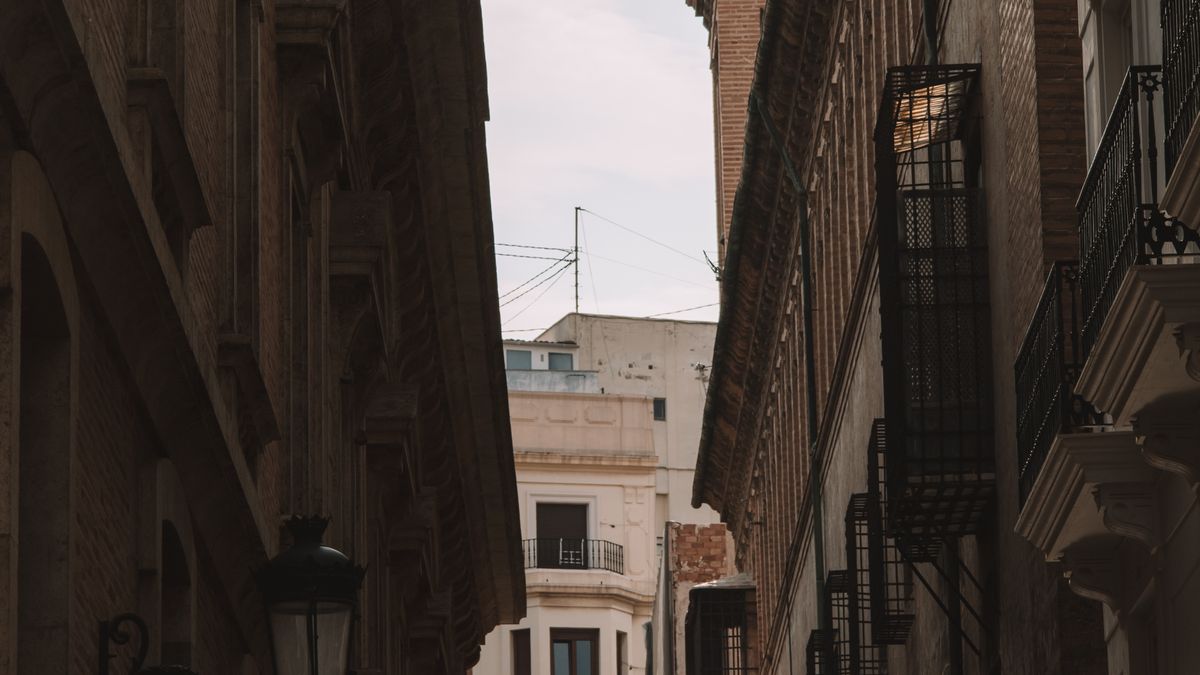
If this is your first visit, stay here. Ciutat Vella is the walled medieval core, and everything postcard-worthy sits inside a 15 minute walk. The Central Market, one of the largest fresh markets in Europe, opens early and is worth seeing before the tour groups arrive. The Cathedral claims to hold the Holy Grail, and you can climb the Micalet bell tower for a flat-roofed view of the whole city.
Within the old town, the El Carmen quarter is the atmospheric part, all narrow lanes, street art, and small bars that fill up after 10pm. Expect a mid-range double in shoulder season to run 100 to 150 dollars. The Caro Hotel, built over exposed Roman wall and Arab-era foundations, is the standout splurge if you want history under your feet.
The trade-off is noise. El Carmen is where the city goes out, so ask for a room off the street or one floor up if you are a light sleeper.
Ruzafa, for the way locals actually live
A few blocks south of the center, Ruzafa (written Russafa in Valencian) is the neighborhood young Valencians would tell you to book. It is a grid of 19th-century blocks that turned into the city's best eating and drinking district without losing its market or its old bakeries.
Mornings, get a horchata and a plate of fartons at one of the corner cafes. Evenings, the tapas bars along Carrer de Sueca and around the Ruzafa market run late and rarely disappoint. Rooms here are a touch cheaper than the old town, often 85 to 130 dollars for something stylish and small. You give up being inside the monuments, but you are a 12 minute walk from them and living in the part of town people actually love.
El Cabanyal and the beach, for sand and seafood
Valencia has a wide city beach, and the old fishermen's quarter behind it, El Cabanyal, is having a long-overdue moment. The streets are lined with low houses covered in colorful tiles, and the whole district sits a short tram ride from the center.
This is where you eat paella, and you eat it at lunch, never dinner, the way Valencians insist. The restaurants along the seafront near Malvarrosa do the classic Valencian version with rabbit and chicken, not the seafood-and-chorizo mash the rest of the world calls paella. La Pepica, on the beachfront, has been serving it since before your grandparents were born. Beach-area rooms run 80 to 120 dollars in shoulder season and drop further once summer ends.

Near the City of Arts and Sciences, for space and modern calm
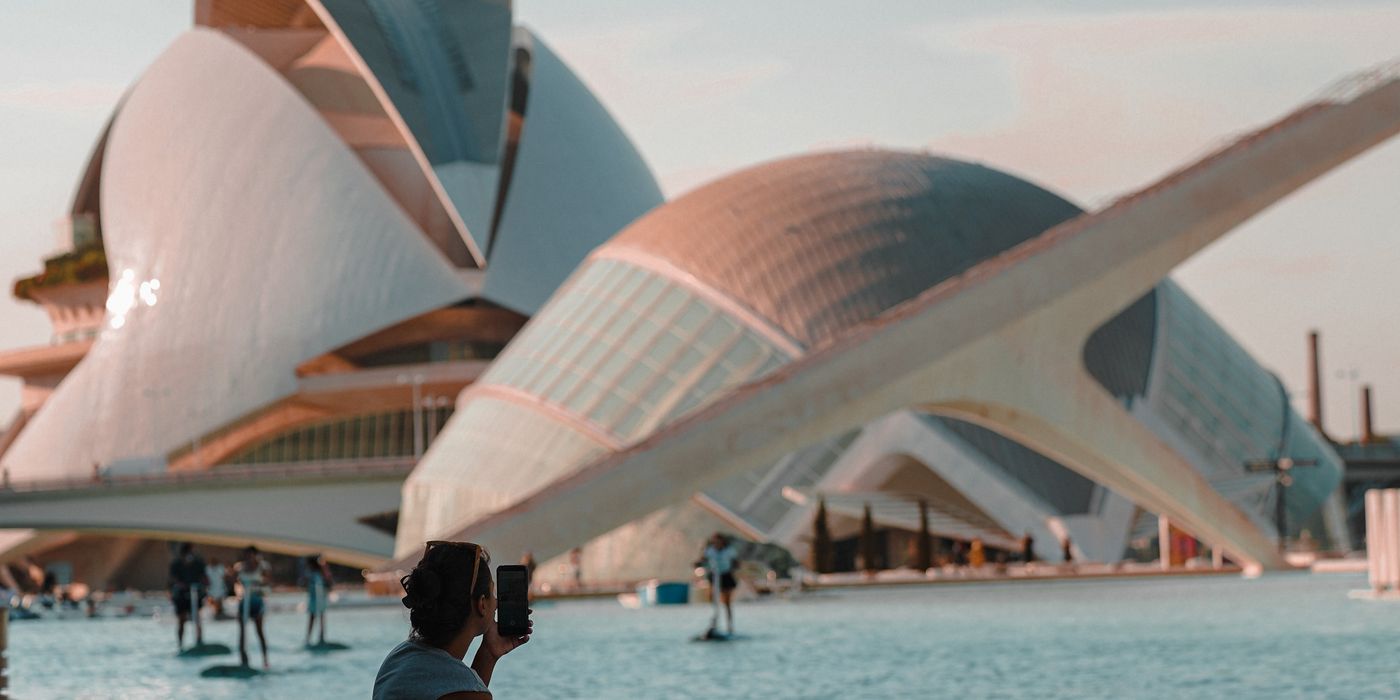
At the southeastern end of the old riverbed sits Santiago Calatrava's City of Arts and Sciences, a run of white, ribbed, spaceship-like buildings holding a science museum, an aquarium, and an opera house. It is the image most people have of modern Valencia, and it is genuinely worth an afternoon.
Staying nearby, in the newer L'Eixample blocks, gets you wide avenues, quieter nights, and slightly larger rooms for your money. It suits families and anyone who wants a calmer base. You trade the medieval charm for a 20 minute walk or a short bike ride into the center along the Turia.
The Turia Gardens tie it all together
Whatever neighborhood you pick, you will use the Turia. After a flood in 1957, the city rerouted the river and turned the old bed into a nine kilometer park that curls through the middle of Valencia. It is sunken below street level, shaded, and full of runners, cyclists, and families. Rent a bike and you can ride from the old town to the beach or the City of Arts almost entirely through green space. No neighborhood in Valencia is far from it, which is part of why the city feels so easy.

When to go and what it costs
Skip July and August unless you love heat and crowds. May, June, September, and October are the sweet spot, with warm sea, thinner crowds, and rooms 20 to 30 percent below peak. A comfortable mid-range trip in shoulder season runs 90 to 140 dollars a night across most central neighborhoods, which is why Valencia stretches a travel budget further than its bigger rivals.
One small thing that adds up. Booking those nights through Best returns 10 percent as cashback, so a week in a 120 dollar room quietly hands back the cost of a very good paella lunch. Worth it in a city where lunch is the main event.
Common questions
What is the best neighborhood to stay in Valencia? For a first visit, Ciutat Vella, the old town, puts you inside walking distance of nearly everything. For a more local feel with the best food scene, book Ruzafa. For beach and seafood, choose El Cabanyal.
How many days do you need in Valencia? Three full days covers the old town, the City of Arts and Sciences, a beach afternoon, and a proper paella lunch without rushing. A long weekend is plenty for a first trip.
Is Valencia cheaper than Barcelona or Madrid? Generally yes. Hotel rates in central Valencia tend to run below comparable rooms in Spain's two largest cities, especially in shoulder season, and food often costs less for better quality.
Images: Hero and old-town street via Pexels, used under license. L'Umbracle by Diliff and the Agora by Diego Delso, both via Wikimedia Commons.