Why Hotels Quietly Dropped Daily Housekeeping, and What It Means for Your Rate
Automatic daily housekeeping is quietly disappearing. Why hotels switched to opt-in cleaning in 2026, and how to come out ahead.
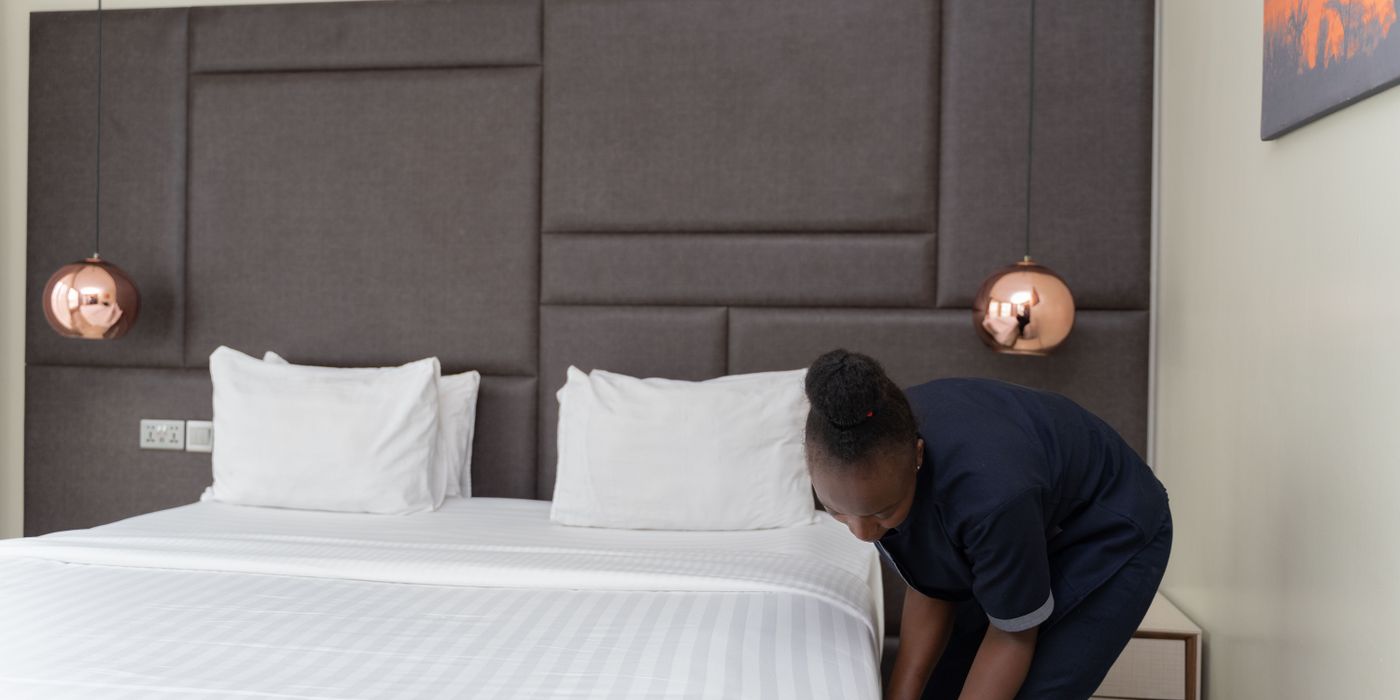
You check in for four nights. Somewhere in the fine print, or in a small sign by the closet, the hotel tells you a housekeeper will not come by unless you ask. Your bed stays how you left it. Your towels are yours until you request new ones. If that felt like a downgrade, you read it right. It is also not going away.
Daily housekeeping, the automatic service that defined what a hotel room was for a century, is quietly being switched off. Most properties now run an opt-in model, where you get a room cleaned mid-stay only if you request it. This is one of the biggest changes to the hotel experience in years, and almost nobody announced it. Here is why it happened and what it means for the price you pay.

The short answer
Hotels dropped automatic daily housekeeping to cut labor costs. Cleaning a stayover room is one of the most expensive recurring tasks a hotel runs, and switching to opt-in service can reduce housekeeping labor by 20 to 30 percent without measurably hurting guest satisfaction. The savings are large enough that the industry has effectively made the change permanent.
The math behind the empty cleaning cart
Labor is the number that drives everything here. The American Hotel and Lodging Association projects that US hotels will pay 131 billion dollars in wages and benefits in 2026, up from 128 billion in 2025. Housekeeping is a big slice of that, and it is getting more expensive fast.
In major markets the wage curve is steep. Housekeeper pay in New York City is on track to rise roughly 50 percent over eight years, climbing from about 40 dollars an hour toward more than 61 dollars an hour by 2034. When the single most labor-heavy task in the building gets 50 percent more expensive, hotels look hard at how often it truly needs to happen.
At the same time, they cannot just hire their way out. About 76 percent of hotels report operating short-staffed, and the deepest gaps are in exactly the roles this affects, housekeeping, front desk, culinary, and maintenance. So the pressure is double. Each shift costs more, and there are fewer people to fill it. Cutting automatic cleaning solves both problems at once.
What you actually get now
The old model was opt-out. Cleaning happened every day unless you hung a sign. The new model is opt-in. Nothing happens unless you ask. That flip sounds small and changes everything, because most guests never get around to asking.
Many hotels now offer tiered service instead of a simple yes or no. Full daily cleaning is one option. A refresh service is another, where staff make the bed, empty the trash, and swap towels without a deep clean. Service on request only is the third. The default, more and more, is the last one.

The quiet trade the hotels offer
Here is the part worth knowing. Hotels want you to decline service, so many of them pay you to. Guests who skip a daily clean often get an incentive in return, loyalty points, a food and beverage credit, or occasionally a small room upgrade. If housekeeping is going to skip your room anyway, you might as well collect something for the choice you were probably going to make.
This is where a savvy guest comes out ahead. On a work trip where you are out of the room all day, declining a mid-stay clean costs you nothing you would have used and can hand you a few hundred points or a drink credit per night. Over a week, that adds up to something real.
When to opt back in
Opt-in cuts both ways. If you are staying several nights, on vacation with kids, or simply someone who likes a fresh room, you now have to ask, and you should. Request service at the front desk or through the app early in the day, not at 4 p.m. when the housekeeping shift is winding down. Short-staffed properties have a limited window, and a late request is the one most likely to get missed.
The one thing not to do is assume. The century-old promise that someone will tidy your room while you are at breakfast is gone at most hotels. Treating it as automatic is how you end up on night three with the same towels and a growing pile of coffee cups.
What it means for your rate
Do not expect the room to get cheaper because the service got thinner. The savings from cutting housekeeping largely stay with the hotel, absorbed into the same labor budget that keeps climbing. What you can do is capture value on your side of the transaction, by taking the opt-out incentives when you do not need service and by booking in ways that put money back in your pocket. Cashback on the booking, points for skipping a clean you did not want anyway. Small levers, but they are yours to pull.
The etiquette that gets you a cleaner room
Opt-in service changed the social contract of a hotel stay, and a little awareness goes a long way now. Housekeepers are covering more rooms with fewer people, so the guests who communicate clearly are the ones who get looked after.
If you want a mid-stay clean, say so at check-in and confirm how to request it, through the app, a phone call, or a card on the door. Do not assume the old sign system still works, because at many properties it does not. And if you decline service for several nights but want fresh towels, ask specifically for a towel swap, which most hotels will do even under a no-clean stay.
Tipping shifted too. Under daily service, the norm was a few dollars left each morning. Under opt-in, a housekeeper may only enter your room once in a four-night stay, so leaving the tip at the end, sized for the work actually done, makes more sense than a daily envelope that may go to no one. If someone does a full clean mid-stay on request, tip for that visit.
None of this is complicated. It just replaces a century of autopilot with a few small, deliberate asks, and the guests who make them barely notice the change.
Frequently asked questions
Do hotels still clean your room every day in 2026? Usually not automatically. Most hotels have moved to an opt-in model, where mid-stay housekeeping happens only if you request it. You can still get daily service at many properties, but you have to ask for it.
Why did hotels stop daily housekeeping? To cut labor costs. Switching from automatic to opt-in cleaning reduces housekeeping labor by 20 to 30 percent, and with wages rising sharply and about 76 percent of hotels short-staffed, the savings made the change permanent.
Do you get anything for declining housekeeping? Often, yes. Many hotels offer loyalty points, a food and beverage credit, or occasionally a room upgrade to guests who skip a daily clean. If you are out all day and do not need service, it is worth taking.
How do I get my hotel room cleaned mid-stay now? Ask at the front desk or through the hotel app, and do it early in the day. Short-staffed properties have a narrow cleaning window, so a morning request is far more likely to be fulfilled than an afternoon one.
Images: Hero and modern guest room via Pexels. Hotel room interior via Pixabay. All used under license.