World Cup 2026 Hotel Prices Are Surging in Host Cities
Hotel rates in 2026 World Cup host cities are up as much as 300%. Here is the data on the surge and exactly where to stay to avoid it.
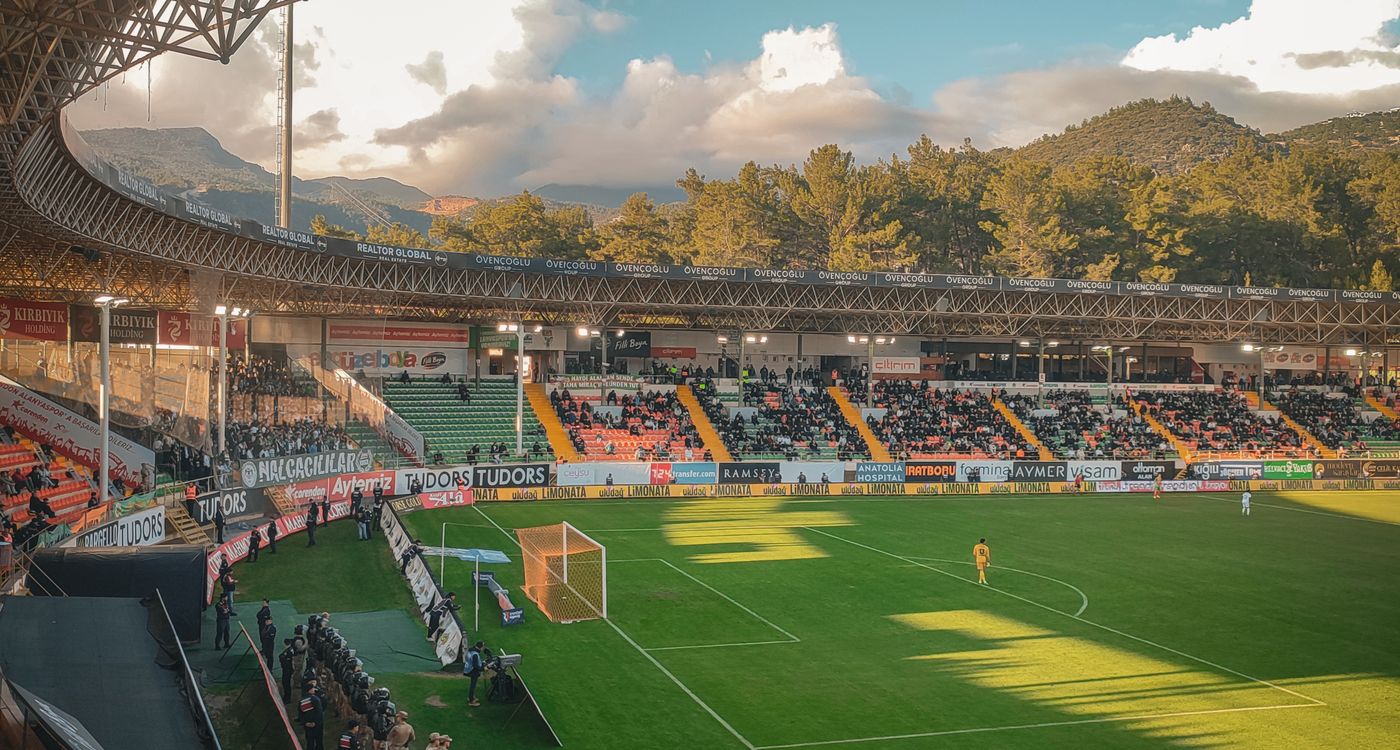
A hotel room a short walk from the World Cup final is renting for more than four times what it costs in a normal July. That is not a rounding error. It is the new baseline.
The 2026 FIFA World Cup runs from June 11 to July 19 across 16 cities in the United States, Mexico, and Canada. It is the first three-country World Cup and the biggest in history, with 48 teams and 104 matches. The opening match is in Mexico City. The final is at the stadium in East Rutherford, New Jersey, just outside New York. And hotel pricing in every host city has gone somewhere most travelers have never seen.
We pulled the numbers. Here is what is actually happening, which cities got hit hardest, and how to land a bed without paying a 300% markup for the privilege of being near a stadium.
The price surge is real, and it is steep
Across the 16 host markets, average nightly hotel rates for the tournament window are running near $499. Before the match schedule was announced, the same nights averaged closer to $61 above normal seasonal pricing. Once the calendar dropped, the floor moved.
Thirteen of the 16 host cities have seen year-over-year increases of at least 80% per night. In the worst pockets, near marquee venues on match days, rates are up as much as 300% compared with the same dates in prior years. Match nights average $524 a night. Non-match nights in the same cities average $398. The stadium schedule is doing the pricing.
Boston leads the U.S. markets at around $611 a night. New York and New Jersey follow at roughly $593. Those are averages, not the penthouse rate. The cheap rooms sold first, and what is left is expensive.

Why hotels can charge this much
Hotels run on a pricing engine that watches demand minute by minute. When a single event pulls hundreds of thousands of visitors into a metro area on fixed dates, the software sees demand it can name in advance. There is no guesswork. The algorithm raises rates until bookings slow, then holds.
This is the same dynamic pricing that runs all year, just turned up to its ceiling. A concert does it for one night. A World Cup does it for five weeks, in 16 cities, on a published schedule everyone can see. The result is the highest sustained hotel pricing many of these cities have ever recorded.
One detail worth knowing. The surge is concentrated on match days and the venues themselves. The map of high prices is not the whole city. It is a ring around each stadium, and the rest of the metro is softer than the headlines suggest.
Which host cities got hit hardest
The biggest jumps cluster around the cities hosting knockout-round and final matches, where stays run longer and demand stacks. New York and New Jersey, Boston, Dallas, Los Angeles, and Miami sit at the top of the U.S. pricing table. Mexico City, Guadalajara, and Monterrey are seeing sharp climbs too, with Monterrey search interest up more than 200% as fans plan around the group stage.
Kansas City is the surprise. Search interest there has jumped roughly 700% as a smaller market suddenly finds itself on the world stage. Smaller markets often have thinner hotel inventory, so a demand spike there pushes prices faster than in a city with 80,000 rooms to absorb it.
Atlanta and Philadelphia round out the high-interest American cities, both up around 200% in traveler searches. If your team is playing in any of these, the room is the expensive part of the trip, not the ticket.
Where to actually stay without overpaying
The move is to stop booking inside the stadium ring. Public transit in most host cities reaches the venue from neighborhoods 20 to 40 minutes out, and those neighborhoods never got the full surge. A room in a transit-connected suburb can cost half of what the same brand charges three blocks from the gate.
Look one metro over. For New York and New Jersey matches, that means Newark, Jersey City, or even further into the suburbs along a train line. For Los Angeles, the beach cities and the valley undercut downtown. For Dallas, Fort Worth and the mid-cities run cheaper than the arena district. You trade a train ride for a few hundred dollars a night.

Two more tactics that work right now. First, split your stay. If you are following a team through the group stage, you may not need to base in one city the whole time. Booking separate shorter stays near each match, sometimes called hotel hopping, can beat locking a single expensive base for two weeks. We wrote about how host-city pricing compares with the rest of the summer travel map if you want the wider picture.
Second, watch cancellation windows. Host-city inventory is volatile. Rooms get released back into the market as speculative bookings fall through, often at lower rates than the early panic pricing. A flexible rate you can cancel lets you rebook if a better room appears closer to the date.
One thing we will say plainly. The cashback angle matters more than usual here. On a $500 nightly rate over four nights, 10% back is $200 returned on a single trip. When prices are this high, the percentage you get back is doing real work. Booking through Best turns a brutal nightly rate into something a little less brutal.
Should you book now or wait
It depends on your team and your city. For the final, semifinals, and any match in a thin-inventory market like Kansas City, book now. Those rooms will not get cheaper, and the cheapest tier is already gone.
For group-stage matches in large markets with deep hotel inventory, you have room to wait and watch. Set a target price, hold a refundable booking as insurance, and rebook if rates soften as cancellations release inventory. Large metros almost always have a second wave of availability.
Frequently asked questions
How much are hotels during the 2026 World Cup?
Average nightly rates across the 16 host cities are running near $499 for the tournament window, with match nights around $524 and non-match nights closer to $398. Boston and the New York and New Jersey area are the most expensive U.S. markets, both averaging roughly $600 a night.
When is the 2026 World Cup?
The tournament runs from June 11 to July 19, 2026, across the United States, Mexico, and Canada. The opening match is in Mexico City and the final is at the stadium in East Rutherford, New Jersey.
What is the cheapest way to stay near a World Cup match?
Book outside the stadium ring in a transit-connected neighborhood 20 to 40 minutes from the venue. Those areas avoided the worst of the surge, and a train ride often saves several hundred dollars a night versus a stadium-adjacent room.
Will hotel prices drop closer to the matches?
In large markets with deep inventory, sometimes yes, as speculative bookings get cancelled and rooms return to the market. In small markets and for the final, no. Book those early.
Images: Hero and reception desk via Pexels. Stadium interior by babyknight via Wikimedia Commons, used under license.