72 Hours in Copenhagen This Fall
A three-day Copenhagen itinerary for fall, with Nyhavn, Torvehallerne, Reffen street food, the Tivoli Halloween season, and where to stay to save.
Copenhagen empties out a little in the fall. The summer crowds thin, the light turns golden and low, and the city leans into the thing it does better than almost anywhere, which is making cold weather feel cozy instead of grim.
Three days is enough to see the best of it if you plan the route well. Here is how we would spend 72 hours in Copenhagen this fall, with real places, honest picks, and a plan for keeping the trip affordable while the rest of Europe is still charging summer rates.
Why fall is the right time
September through November hits a sweet spot. Hotel rates drop as the summer rush ends, and Copenhagen runs some of its best events of the year. The Golden Days festival takes over the city in early September with talks, art, and history walks. By mid-October, Tivoli Gardens reopens for its Halloween season, when the old amusement park fills with tens of thousands of pumpkins and the whole place glows after dark.
Pack a light rain jacket and layers. Copenhagen in October sits around 10 to 14 degrees Celsius, cool but very walkable. This is peak hygge weather, and locals treat a candlelit cafe as a legitimate activity.
Getting around
Rent a bike. Copenhagen is built for it, with wide protected lanes on nearly every street and more bikes than cars. A day rental runs about 100 to 150 kroner, roughly 14 to 21 dollars. If cycling in traffic makes you nervous, the metro is fast, driverless, and runs all night on weekends. Skip taxis. You rarely need one.

Day one, the old city
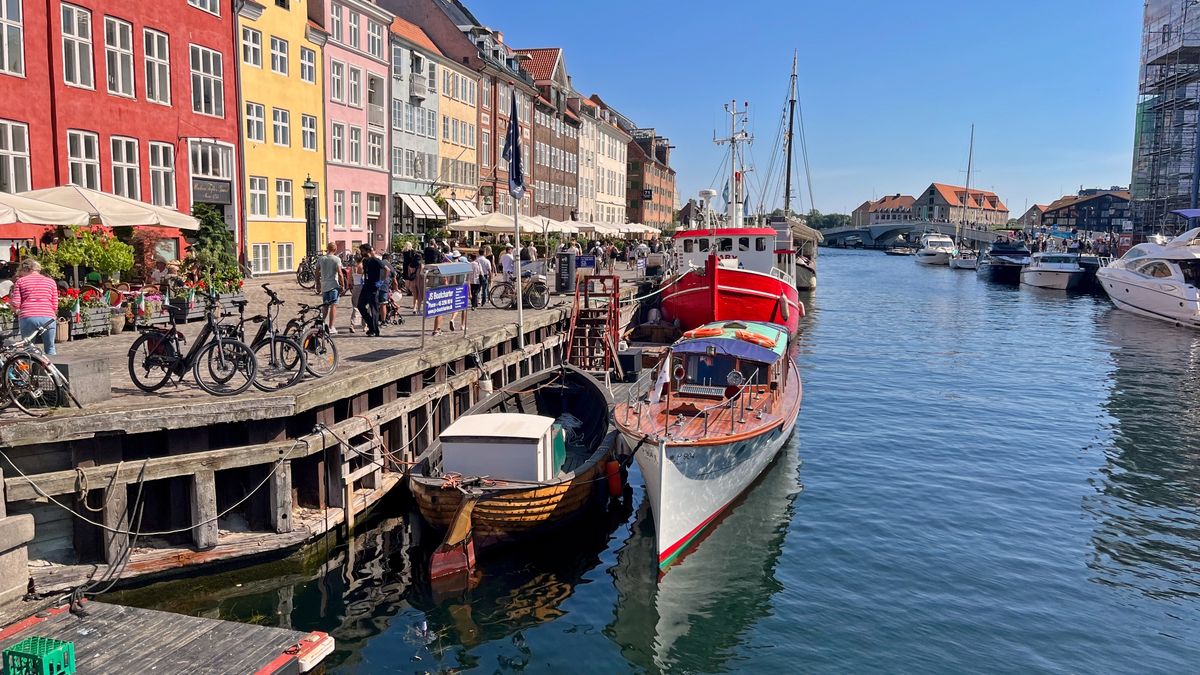
Start at Nyhavn, the row of painted townhouses along the canal that ends up on every Copenhagen postcard. Go early, before 9am, and you get the color without the crowds. Grab a coffee and keep moving. The harbor tour boats leave from here if you want to see the city from the water, which is worth the 45 minutes.
Walk to the Round Tower, a 17th-century observatory you climb by a spiraling ramp instead of stairs. The view over the rooftops is the best free panorama in the city. From there it is a short walk to Rosenborg Castle and the King's Garden, which turns brilliant orange and yellow by mid-October.
For lunch, head to Torvehallerne, the covered food market near Norreport station. It is two glass halls packed with stalls selling smorrebrod, fresh fish, coffee, and pastries. Order the open-faced rye bread sandwiches. The one topped with fried plaice and remoulade is the classic. Expect to spend 120 to 180 kroner for a proper lunch here.
Spend the afternoon wandering the Latin Quarter and Stroget, the long pedestrian shopping street, then finish in the design shops around Bredgade if Danish furniture is your thing.
Day two, harbor and street food
Cross to Christianshavn, the canal district built by Dutch engineers in the 1600s. It feels quieter and more residential than the center, with houseboats lining the water. This is where you find Freetown Christiania, the self-governing community founded in a former military barracks in 1971. It is strange, green, and worth an hour of curious walking, though photography is discouraged in parts.
For lunch, ride out to Reffen on Refshaleoen, a former shipyard turned street food market on the eastern harbor. Dozens of stalls cook everything from Danish hot dogs to Korean buns, most dishes landing between 80 and 130 kroner. It runs into late fall before closing for winter, so a fall trip catches the tail end of the season.

Save the evening for Tivoli. If your trip lands after mid-October, the Halloween season is the reason to go, with the gardens buried in pumpkins and lit up at night. Entry runs about 175 kroner, with ride passes extra. Even if you skip the rides, walking the illuminated gardens with a hot drink is one of the best things you can do in the city after dark.
Day three, art and slow mornings
Give the last day some breathing room. Two strong options. Take the 35-minute train north to the Louisiana Museum of Modern Art in Humlebaek, where the collection sits in a series of glass pavilions overlooking the sea toward Sweden. Fall is a fine time to visit, since the coastal walk is quiet and the light is soft. Round-trip train plus entry runs about 320 kroner.
Or stay in town and explore Vesterbro and Frederiksberg. Vesterbro was the old meatpacking district and now holds some of the city's best casual restaurants and natural wine bars. Frederiksberg is leafy and elegant, good for a long morning walk through its gardens before a final smorrebrod lunch.
If you planned the trip around early September, build in time for the Golden Days festival events, which change each year but always turn the city into an open-air classroom for a week or two.

Where to stay
The most convenient bases are Indre By, the old center, and Vesterbro, just behind the main train station. Indre By puts you walking distance from Nyhavn, Tivoli, and Stroget. Vesterbro is cheaper, cooler, and a five-minute bike from everything.
Fall rates help. A mid-range Copenhagen hotel that runs 1,600 to 2,200 kroner a night in July often drops to 1,100 to 1,600 in October, roughly 160 to 230 dollars. Scandinavia rewards shoulder-season timing more than most regions, something we dug into in our Scandinavia coolcation guide. For the wider fall math across Europe, our shoulder season breakdown is a good companion read.
One easy win on the room. Booking through Best returns 10 percent cashback, so a 1,400 kroner night effectively costs closer to 1,260. Over three nights in a pricey city like Copenhagen, that pays for a Tivoli ticket and then some. Here is how the cashback works.
Frequently asked questions
Is three days enough for Copenhagen?
Yes. Three days covers the old city, the harbor and street food scene, Tivoli, and one day trip or slow neighborhood morning. It is enough to feel the city without rushing.
Is Copenhagen worth visiting in the fall?
Fall is one of the best times to go. Hotel prices drop after summer, the crowds thin, and the city runs strong events like the Golden Days festival in September and the Tivoli Halloween season from mid-October.
How much does a trip to Copenhagen cost?
Copenhagen is not cheap, but fall helps. Budget roughly 160 to 230 dollars a night for a mid-range hotel in October, plus 40 to 70 dollars a day for food if you mix market lunches with a sit-down dinner.
Do I need a car in Copenhagen?
No. Rent a bike or use the metro. The city is flat, compact, and built for cycling. A car is a liability more than a help.
Images: Nyhavn canal hero and aerial via Pexels. Rosenborg Castle view and Tivoli Gardens via Wikimedia Commons. Used under license.