72 Hours in Mexico City. Eat First, Sightsee Later
Three days in the largest city in North America, planned around meals. Centro, Chapultepec, Coyoacán, and the Roma food scene with real 2026 prices.
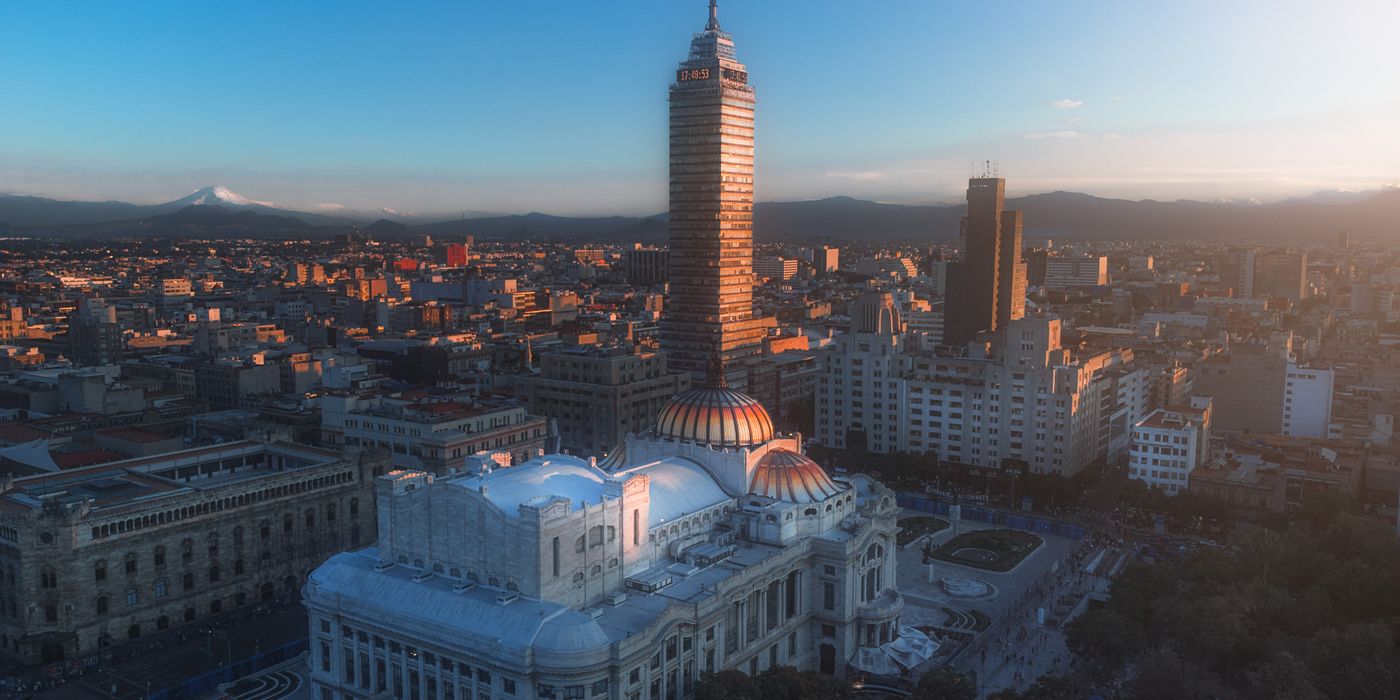
Mexico City rewards a specific kind of traveler, the one who plans meals first and monuments second. It is the largest city in North America, it sits at 7,350 feet, and it has more museums than almost any city on earth. You cannot see it in three days. You can eat astonishingly well in three days while seeing the essential third of it, and that is exactly what this itinerary does.
A quick note on timing. July and August are rainy season, which sounds worse than it is. Mornings are clear, afternoon storms roll through around 5pm and pass within two hours, and hotel rates dip below the winter peak. The new wave of hotel openings in Polanco, including a Kimpton that opened this month, says the industry expects demand to keep climbing. Go before the prices finish catching up.
Day one. Centro Histórico, the 500-year-old downtown
Start at the Zócalo, the enormous main square, before 9am while the light is flat and the crowds are thin. The cathedral on its north side took 250 years to build and visibly sinks into the soft lakebed the city is built on. Just off the square's northeast corner, the Templo Mayor ruins and their museum (around 100 pesos entry) hold what remains of the Aztec city the Spanish built over. It is the single best hour of history in Mexico City.
Walk west along Avenida Madero, a pedestrian street lined with colonial palaces, to the Palacio de Bellas Artes, the marble opera house with Diego Rivera murals upstairs. For the classic photo of its orange dome, take the elevator to the eighth-floor cafe of the Sears building across the street and order a coffee. Then ride to the observation deck of the Torre Latinoamericana next door for the scale of the thing you are standing in, a city that runs unbroken to every horizon.
Lunch in the Centro should be a cantina. La Ópera on Cinco de Mayo has a bullet hole in the ceiling attributed to Pancho Villa and a very good chile en nogada in late summer. Spend the afternoon in the murals. The Diego Rivera cycle at the Secretaría de Educación Pública is free and nearly empty most days. End with an early dinner around the Alameda park and get ahead of the altitude with an early night. Day one at 7,350 feet is not the night to test the mezcal list.

Day two. Chapultepec, Polanco, and a Roma evening
The Museo Nacional de Antropología opens at 9am and is closed on Mondays, so build the day around it. It is the finest museum in the Americas and the Mexica hall alone justifies the trip to the city. Two to three hours is the right dose, and the entry fee runs about 100 pesos. From there, walk up the hill in Chapultepec park to the castle, the only actual castle in North America, for the terrace view down Paseo de la Reforma.
Lunch is a fifteen-minute walk north in Polanco. Skip the white-tablecloth reservations at midday and order cochinita pibil tacos at El Turix, a closet-sized Yucatecan counter that outcooks restaurants twenty times its price. If you want the fine-dining version of Mexico City, this neighborhood holds several of the world's most-awarded restaurants, and the realistic advice is to book those weeks ahead or let them go without guilt.
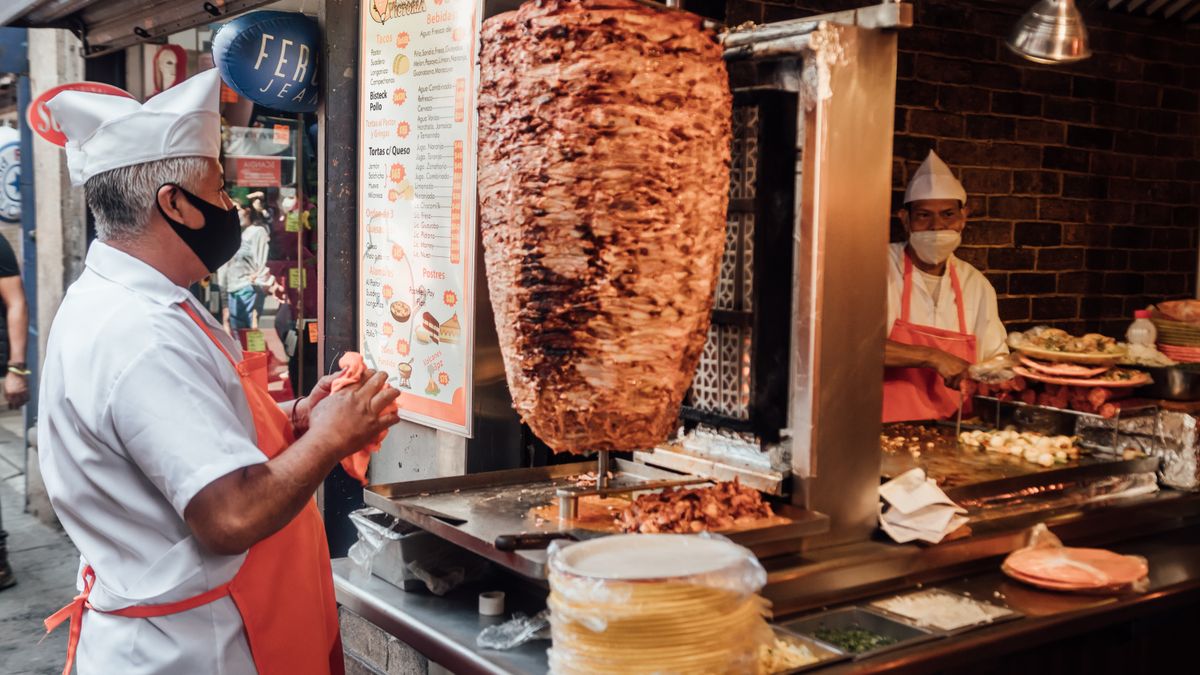
Spend the evening in Roma Norte and Condesa, the leafy twin neighborhoods that anchor the city's food and bar scene. The taquería benchmark here is Orinoco for al pastor, trompo-carved and running until very late. Afternoon rain usually clears by early evening in summer, and the after-rain walk through Parque México is the city at its most likable.
Day three. Coyoacán and the south
Coyoacán was a separate colonial town until the city swallowed it, and it still moves at town speed. The Frida Kahlo Museum, the blue house she was born and died in, sells out days ahead, so buy timed tickets online before your trip, not at the door. Go early, then give the rest of the morning to the neighborhood itself. The Mercado de Coyoacán does a tostada counter that locals defend with real conviction, and the plazas between the market and the Casa Azul are the prettiest strolling in the city.
For the afternoon, pick one. The UNAM campus murals and its volcanic-rock sculpture garden if you want more art. The canals of Xochimilco if you want the party barge experience, better with a group and honestly skippable without one. Or San Ángel if it is Saturday, when the art market takes over its plazas. Head back north for a final dinner in Condesa and the airport math is easy, since rides run 30 to 50 minutes from the central neighborhoods depending on traffic.

Where to stay, and what it costs in 2026
Roma Norte and Condesa are the right base for a first trip. Walkable, packed with food, and central to everything in this itinerary. Boutique hotels there run $120 to $200 a night in 2026, with design-forward standouts pushing $250. Polanco is the luxury tier, quieter and glossier, where the international five-stars and the new Kimpton sit in the $250 to $450 range. The Centro has real value, with renovated historic properties from $80 to $130, and the trade-off is a neighborhood that empties after dark.
Rainy-season rates from June through September run 15 to 25 percent below the December to April peak, which makes summer the value play if afternoon storms do not bother you. The same seasonal logic we mapped for Europe's shifting shoulder season applies here with different months.
The practical block
Uber works everywhere, is cheap by US standards, and beats hailing street taxis. The Metro costs five pesos and is genuinely useful for Centro trips, less so for Roma and Polanco. Drink bottled or filtered water, ease into street food over the first day rather than diving in from the airport, and respect the altitude, which flattens most visitors gently on day one. Museums overwhelmingly close on Mondays, so do not schedule museum days around one. Cards are widely accepted, but street stands and markets run on cash, so keep a few hundred pesos on hand.
Three days here costs less than most travelers expect. Outside the hotel, $60 to $80 a day covers museum entries, Ubers, a market lunch, a taquería dinner, and a mezcal, which is roughly what a single restaurant meal costs in the US cities Mexico City now out-eats. If you go in a group of three or four, our 72-hour city format scales well to splitting stays and costs.
Questions travelers ask about Mexico City
Is three days enough for Mexico City? It is enough for the Centro, Chapultepec's museums, Coyoacán, and the Roma-Condesa food scene at a humane pace. A fourth day adds Teotihuacán's pyramids, the biggest omission in any 72-hour plan.
What is the best neighborhood to stay in Mexico City? Roma Norte or Condesa for a first visit. Central, walkable, safe by big-city standards, and surrounded by the city's best casual food. Polanco if the budget runs luxury.
Do you need to book the Frida Kahlo Museum in advance? Yes. Timed tickets sell out days ahead in every season. Buy online before your trip and treat the slot as fixed.
Is the rainy season a bad time to visit? No. June through September brings clear mornings, a predictable late-afternoon storm, greener parks, and hotel rates 15 to 25 percent below winter peak.
Images. Hero skyline by FranDany, taco stand by Miguel González, and Chapultepec Castle by Antonio Ochoa via Pexels. Palacio de Bellas Artes by Jeses via Wikimedia Commons (CC BY-SA 2.5).