72 Hours in Porto: Where €90 Hotels Still Sit on the River (Summer 2026)
Three-day Porto itinerary with restaurant names, hotel picks under €140, and a budget that runs €710 to €1,080 per couple.
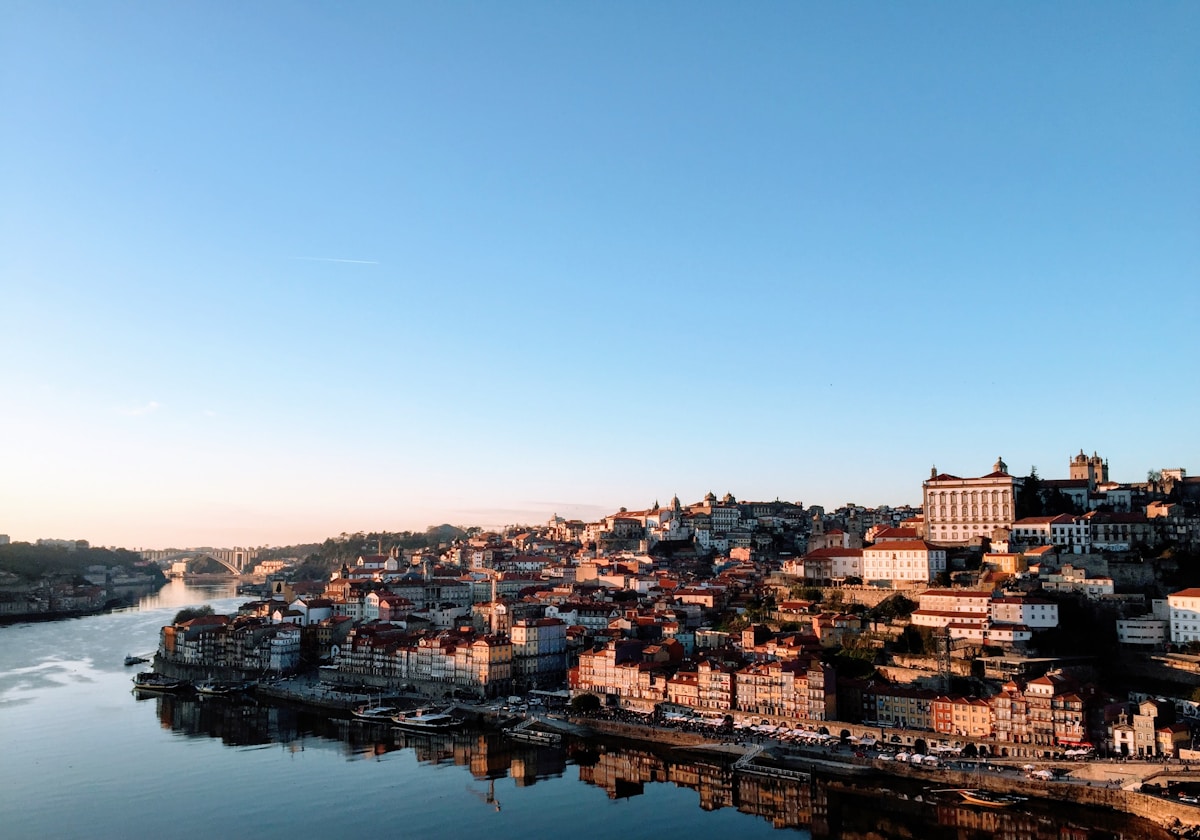
Porto sits on a hillside in northern Portugal, looking out over a river that bends around the old city. It has the photogenic appeal of Lisbon at roughly two-thirds the price. Mid-range hotels in the historic center still book around €90 to €140 per night through summer 2026, and food costs are notably lower than the rest of Western Europe. We've been recommending Porto to budget-conscious travelers for years, but it's only in the last couple of summers that direct flights from major US and UK cities have made it easy to reach.
This is a 72-hour guide built for travelers who want to actually see the city, not chase Instagram spots. Real restaurant names. Specific neighborhood recommendations. Actual prices. And the realistic timing that lets you fit it all in.
Where to stay in Porto
Three neighborhoods make sense for a short trip. Each has a different feel and price point.
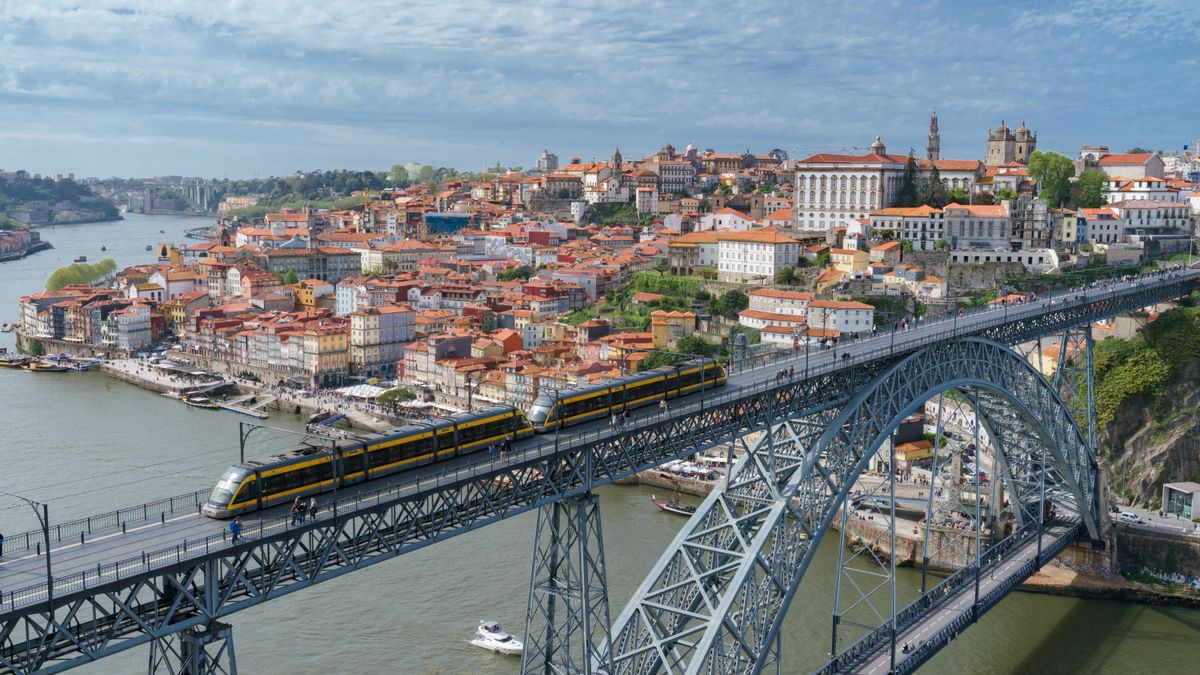
Ribeira is the old riverfront. Cobblestone streets, colorful tile facades, and the famous Dom Luís I Bridge across the Douro. Hotels here run €120 to €180 per night for mid-range properties with river views. Pestana Vintage Porto and Hotel Carris Porto Ribeira are solid options. The trade-off is steep walking everywhere, which gets old by day two.
Baixa and São Bento is the city center. Flatter terrain, all the train and metro connections, easy walking to most sights. Hotel rates run €90 to €140 per night. The Editory Boulevard Aliados and Torel Avantgarde are strong picks. This is where we usually recommend first-timers stay.
Vila Nova de Gaia is across the river. It's where the port wine cellars are. Hotels here are 15-20% cheaper than the Porto side and give you the most photographed view of the city. The Vincci Porto and Yeatman Hotel (luxury) sit in this area. The bridge walk into Porto proper takes about 10 minutes.
Day 1: Ribeira, the bridge, and port wine
Start at Café Majestic for coffee and a pastel de nata. It's touristy and the prices reflect that (€3 for an espresso versus €1.20 at a local spot), but the Art Nouveau interior is worth seeing once. Sit at the bar for the lowest price tier.
Walk to Livraria Lello next. This is the bookshop that supposedly inspired the Harry Potter staircase. It's not free anymore. Entry costs €8, redeemable against any book purchase. Get there before 11am to avoid the queue that wraps the block by midday.
From there, head down toward São Bento train station to see the blue azulejo tile mural inside. Free, takes 15 minutes, photogenic without trying. Then keep walking down toward Ribeira for lunch.
For lunch, skip the tourist-trap restaurants directly on the riverfront. Walk one block uphill to Tasca da Badé. It's a small spot with handwritten menus. Order the sardinhas grelhadas (grilled sardines) and the bacalhau à brás (codfish with potatoes and eggs). Lunch for two with wine runs €30 to €40.
Afternoon: walk across the Dom Luís I Bridge to Vila Nova de Gaia. The bridge has two levels. The upper deck is for the metro and pedestrians and has the panoramic views. Cross slowly. Once across, do a port wine cellar tour. Graham's, Taylor's, and Sandeman all offer tours from €20 to €35 with tastings. Graham's has the best view from its terrace and the most thoughtful tour.
For dinner, take the cable car back up to the upper deck (€7 one way) for sunset views, then walk back over the bridge into Porto. Eat at Cantina 32, a converted warehouse with creative Portuguese small plates around €10 to €15 each. Two people sharing 4-5 plates with wine: €60 to €75.
Day 2: Foz do Douro, the beach, and seafood
Day two takes you out of the historic center. Catch the vintage tram line 1 from Infante to Foz do Douro. The ride takes 35 minutes along the river and out to the Atlantic. The tram fare is €6 each way. Worth it for the route alone.
Foz is where locals go on weekends. The neighborhood feels almost suburban, with wide sidewalks, low buildings, and a long beach promenade. Walk to Praia dos Ingleses, a small sheltered beach. Even in summer, the Atlantic here is cold (around 17-18°C in July) but the beach scene is laid-back and full of locals.

For lunch in Foz, go to Tavi for arroz de marisco (seafood rice). It's the dish Foz is locally known for. Around €22 per person for the rice, which serves two, plus drinks. Total for two: €50 to €60.
Afternoon: walk north along the Pergola da Foz, a curved colonnade overlooking the Atlantic. Built in 1932, it's the kind of architectural detail that doesn't show up in most guides. Continue to Castelo do Queijo, a small star-shaped fort right on the water (€0.50 to enter).
Late afternoon: take the tram back into the city, then walk to Mercado do Bolhão. The newly renovated market reopened in 2022 and has stalls selling cheeses, cured meats, fresh fish, and produce. Buy a few things for a picnic dinner if you're staying somewhere with seating. Otherwise, eat upstairs at one of the prepared-food counters for around €15 per person.
If you'd rather sit-down dinner, book Apego, a small modern Portuguese restaurant near São Bento. Tasting menu is €68 per person and one of the best meals in the city. Reserve at least three days ahead in summer.
Day 3: Day trip or hidden Porto
Day three depends on whether you want to see more Porto or get out of town.
If you stay in Porto: spend the morning at the Crystal Palace Gardens, a hilltop park with city views and surprisingly few tourists. Then walk down to Miragaia, a neighborhood between the city center and Foz that almost no first-time visitors discover. It's where Porto's young creative scene has set up shop. Small galleries, third-wave coffee spots, and natural wine bars. Eat lunch at Apuro Café (around €15 per person) and spend the afternoon wandering. End at Casa de Cha da Boa Nova for sunset drinks if you can stretch the budget (€35-45 for two cocktails with the cliffside ocean view).

If you want a day trip: head to the Douro Valley, the wine region an hour east of Porto. The most efficient way is a small-group tour from Porto (€90 to €140 per person including transport, two winery visits, and lunch). The valley landscape is terraced vineyards along the river and is genuinely worth seeing. Tours pick up around 8:30am and return by 6pm.
Alternative day trip: take the train to Guimarães, the historical birthplace of Portugal. Train ride is 75 minutes from Porto and costs €3.55 each way. The medieval old town is compact (you can see everything in 4-5 hours), and the castle and ducal palace are both impressive. Lunch at Solar do Arco for traditional cozido (around €15-20 per person).
The 72-hour budget
For two travelers, here's the realistic cost breakdown:
Hotel (3 nights at mid-range): €270 to €420
Meals (breakfast, lunch, dinner across 3 days): €260 to €380
Transport (tram, metro, taxis, port wine tour or day trip): €120 to €180
Activities (Livraria Lello, port wine cellars, museums): €60 to €100
Total per couple for 72 hours: €710 to €1,080
That's about half what the same trip costs in Barcelona or Rome. Porto remains one of the better-value city-break destinations in Western Europe right now, though prices have crept up around 8% year-over-year and the gap is narrowing.
If you're booking the hotel through Best, the 10% cashback comes out to €27 to €42 back on the stay. On a tight budget trip, that covers a meal.
What to skip in Porto
A few overhyped things that don't earn the time. The Clerigos Tower climb (€8, 240 stairs) gives you the same view you can see from several free overlooks. The hop-on-hop-off bus is a waste in a city this walkable. The Port Wine Museum is small and not as interesting as the cellar tours. And the Igreja de São Francisco, while impressive, charges €10 for entry that doesn't quite match the experience inside.
Frequently asked questions
What is the cheapest time to visit Porto?
January through March, hotel rates drop 30-40% from summer peaks. Mid-range hotels in Ribeira fall to around €70-90 per night. The weather is mild (12-15°C average highs) and rain is more common, but the city is much quieter.
How many days do you need in Porto?
Three full days is the sweet spot. You can see the historic center, do a port wine tour, take a half-day trip out to Foz or the Douro Valley, and still have downtime. Two days feels rushed. Four or more days makes sense only if you're using Porto as a base for the wider region.
Is Porto walkable?
Mostly yes, but the city is hilly. Expect 20-30% of your walking to be on slopes or stairs. Wear shoes with grip on the cobblestones, which get slick when wet. The metro and tram fill in the longer distances.
What is the best month to visit Porto?
May, June, and September. Temperatures are pleasant (20-25°C), tourist crowds are lower than peak July-August, and hotel rates are 15-25% below midsummer prices. October is also good, with the Douro Valley harvest just wrapping up.
How much should I tip in Porto?
Tipping is appreciated but not expected. Round up restaurant bills or leave 5-10% for good service. Taxi drivers don't expect tips. Hotel housekeeping: €1-2 per day is generous by local standards.
Images: Hero by Daniel Sessler. Dom Luis I Bridge via Pexels. Porto aerial by Diego Gennaro. Ribeira facades via Pexels. Via Unsplash and Pexels, used under license.