72 Hours in Sarajevo: The €40 European Capital That Most Travelers Still Skip
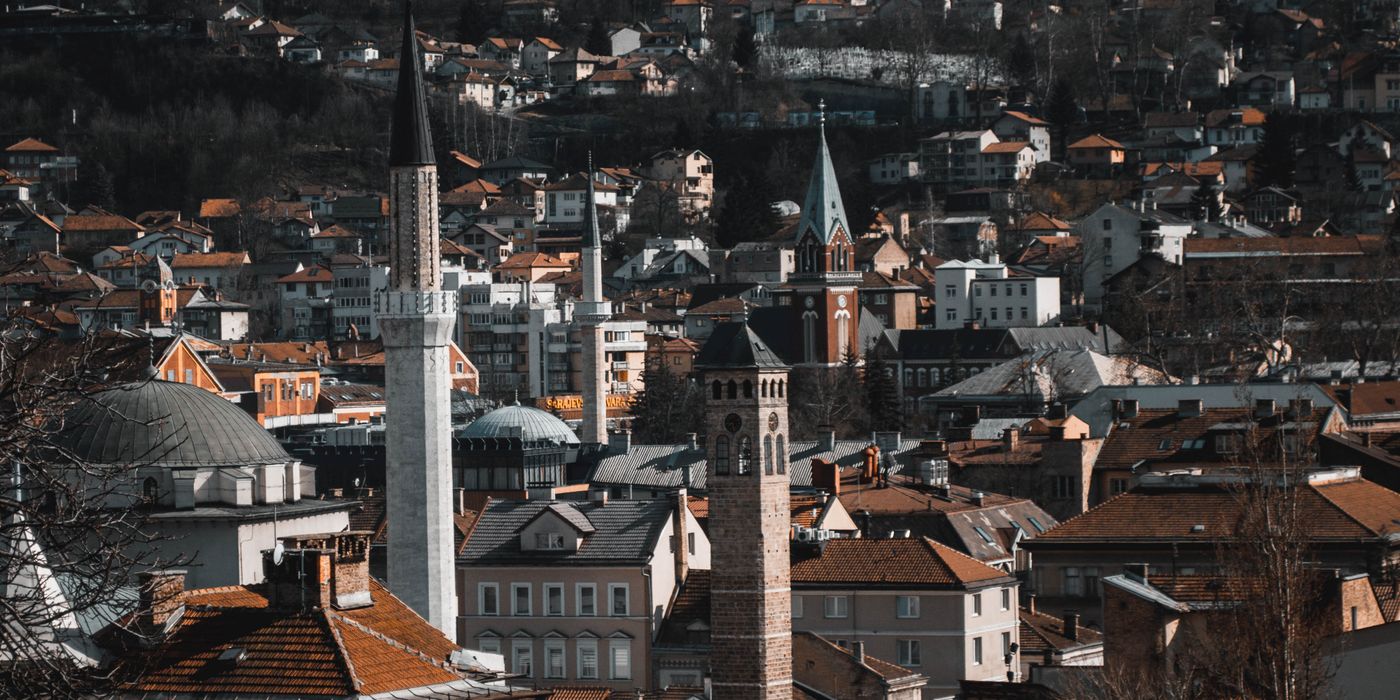
Sarajevo just landed at the top of the 2026 "cheapest European capital" rankings, with the standard basket of travel expenses running €287 for a long weekend. That's roughly half of Vienna, a third of Paris, and a quarter of Reykjavik. The price isn't the only reason to go. It's just the reason you'd be foolish not to.
We've been watching booking patterns for Sarajevo for the last twelve months. Hotel ADRs are up about 4% year over year, which sounds like a lot until you remember that the baseline is €40 for a clean, central room with breakfast. The city is still in that window where the prices haven't caught up to the demand, and the streets aren't crammed with the kind of tourism that breaks a place.
If you have three days and a passport, this is the trip to take in 2026.
Day One. The Old Town as a working neighborhood
Most travel guides treat Baščaršija, the 15th-century Ottoman bazaar, as the visual highlight of Sarajevo. The pigeons, the brass lanterns, the Sebilj fountain. It photographs beautifully and every guidebook puts it on the cover. What the guidebooks miss is that Baščaršija isn't a museum. It's a working neighborhood where coppersmiths still hammer coffee sets and the same families have run the same shops for four generations.
Start at Sebilj fountain mid-morning. Walk away from the obvious tourist alleys and into the workshops. Look for the kazandžije, the coppersmiths working at street level with hammers and small forges. A traditional Bosnian coffee set with copper džezva and tray costs €25 to €40 depending on the etching. The same set in any Western European city's tourist quarter would run €120.
For lunch, find Buregdžinica Bosna in the old town. A piece of burek (the iconic spiraled meat pastry) plus a glass of yogurt drink runs €3.50. There are flashier sit-down places nearby, but the proper burek experience is standing at a high table, eating a slice that's still steaming, with locals doing the same thing on either side.
The afternoon is for the Latin Bridge area, which is where Archduke Franz Ferdinand was shot in 1914, kicking off the chain of events that became World War I. The museum at the corner is small but worth €5 of your time. A few blocks east, the Sarajevo Tunnel Museum tells the story of the 1992 to 1995 siege through the underground tunnel that kept the city alive. Heavier subject matter. Important context for the rest of the trip.
Dinner at Inat Kuća, which translates roughly as "Spite House." The restaurant has a literal origin story. When the Austro-Hungarians built the National Library across the river in 1894, the owner refused to demolish his house to make way for it. He insisted the entire structure be moved across the river, brick by brick, to its current location. They did it. Now it's one of the city's most beloved traditional restaurants. Order the dolma stuffed peppers and the begova čorba (beg's soup). With drinks, you'll pay €18 to €22 per person.

Where to stay (and what the prices actually look like)
Sarajevo's hotel pricing in 2026 is one of the last bargains in Europe. Here's the rough math for a mid-September three-night stay.
Design hostels in Baščaršija start at €12 to €18 per night for a dorm bed. Hostel Franz Ferdinand and Doctor's House get consistently good reviews and put you within walking distance of everything.
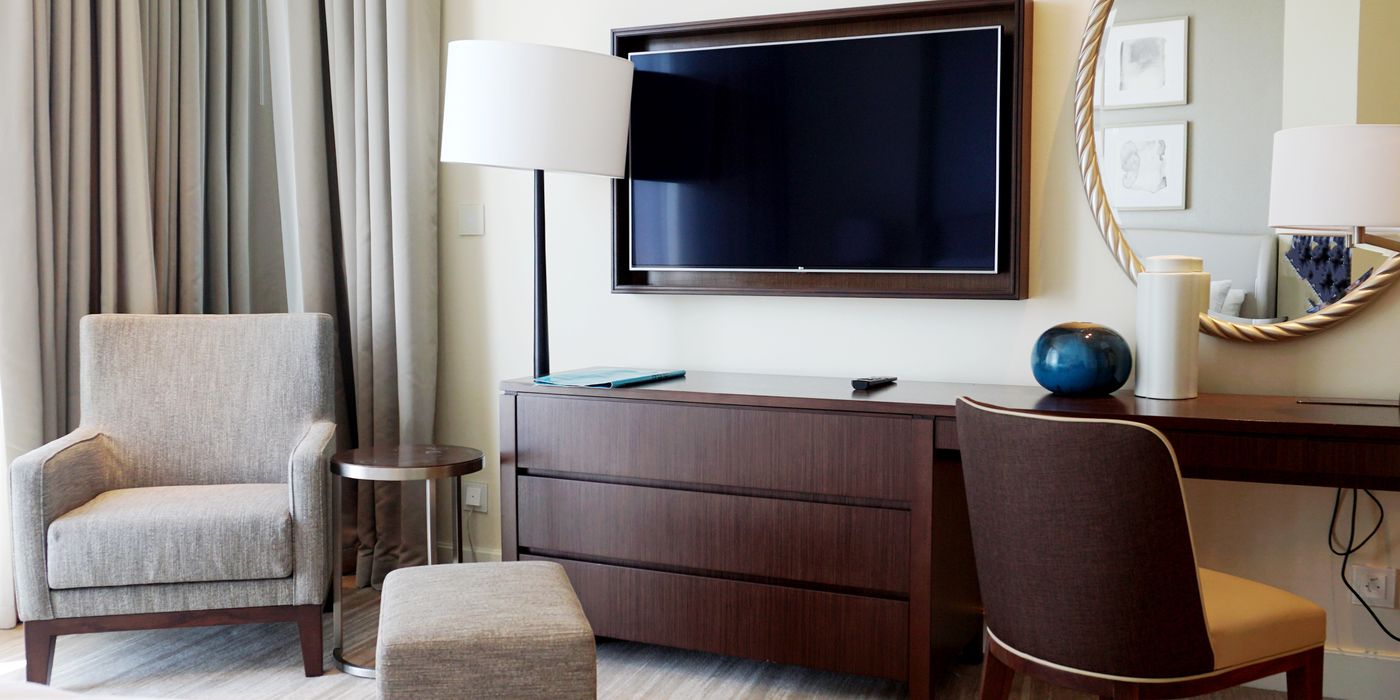
Boutique guesthouses in the old town run €35 to €55 per night for a private room with breakfast. Hotel Old Town Sarajevo, Hotel Sokak, and Pension Lion all sit in this range and are walking-distance to the bazaar.
Four-star hotels in the central area run €60 to €90 per night. The Swissôtel Sarajevo and the Hotel Europe are the established options. The Europe is particularly worth it for the building itself, which sits where the city's first hotel opened in 1882.
The five-star tier in Sarajevo (Hotel Hayat, Hotel Bristol) tops out around €110 to €150 per night. Compared to the same tier in Western European capitals, you're paying roughly 40% of the price for the same comfort level.
Booking a Sarajevo hotel through Best returns 10% cashback on whatever you pay. On a four-star stay at €75 per night for three nights, that's €22.50 back. Worth knowing.

Day Two. The neighborhoods locals actually live in
If you spend all three days in Baščaršija, you've seen tourist Sarajevo. The real city is the neighborhoods locals come home to. Three of them stand out.
Ciglane is where you eat breakfast like a Sarajevan. The neighborhood has a covered market that runs daily and small grilled-meat stands tucked into residential blocks. Order ćevapi with somun bread and a glass of kefir. Total cost €4 to €6. It's the kind of breakfast that gets a city through winter, and it's worth at least one of your three mornings.
Bistrik climbs the hillside south of the Miljacka river. The streets are residential, lined with low Austro-Hungarian buildings, and the views back toward Baščaršija are some of the best in the city. There's a small Franciscan monastery (Crkva svetog Ante) worth a stop. The walk down to the city center takes 15 minutes through residential streets that feel like a Mediterranean hill town.
Skenderija sits west of the old town, between the river and the parliament buildings. The neighborhood has the city's main concert hall, a few good bookstores, and the kind of cafés where students and people in their thirties spend afternoons. It's where you go when you want Sarajevo to feel like a normal European capital rather than a destination.
For dinner on day two, head to Mala Kuhinja, which is Sarajevo's most beloved modern Bosnian restaurant. The format is unusual. There's no menu. The chef tells you what's available, asks what you like, and cooks. A multi-course meal with wine runs €30 to €40 per person, which is roughly what one course would cost at the equivalent restaurant in Vienna or Munich. Reserve at least a week ahead.

Day Three. Out of the city and back
Two day trips from Sarajevo are worth the time.
Mostar sits 2.5 hours south by bus or car. The Stari Most bridge (the famous Ottoman-era stone arch) was destroyed in the 1990s war and rebuilt to the original specifications. The town gets crowded by 11 AM in summer, so the move is to leave Sarajevo at 7 AM, walk Mostar before the day-trip buses arrive, eat lunch at one of the riverside restaurants, and head back by 3 PM. Bus ticket round-trip runs €25.
The Bjelašnica plateau is the alternative if you want mountains instead of crowds. This is the highland village area that hosted the 1984 Winter Olympics, an hour southwest of Sarajevo by car. Today the villages are quiet, the meadows are full of wildflowers from May through September, and the local restaurants serve grilled lamb and homemade bread. A taxi from Sarajevo round-trip costs €60 to €80 depending on how long you stay.
For your last dinner, return to the old town and try Dveri, a tiny restaurant on a narrow alley near Baščaršija. They specialize in slow-cooked Bosnian dishes. The lamb under a peka (cast-iron bell, cooked in coals) is the order. €18 per person for a full meal with wine.
What three days in Sarajevo actually costs in 2026
Here's a realistic budget for a mid-range trip.
Hotel for three nights at a boutique guesthouse with breakfast. €150.
Food and drinks for three days, eating at proper restaurants for dinner and street food for lunch. €90 to €120.
Transit including airport to city center and local taxis or trams. €25.
Museums and entry fees. €15.
Day trip to Mostar including bus tickets. €40.
Total. €320 to €350 for three days, not counting the flight. The same trip in Vienna would run €700 to €900. In Paris, €1,000 plus. Sarajevo is still the bargain.
The Sarajevo questions, answered
The currency is the convertible mark (BAM, sometimes called KM), pegged to the euro at roughly 1.96 BAM to €1. Euros are accepted in many tourist places but you'll get worse exchange rates. Use ATMs in the central area for cash.
English is widely spoken in tourist-facing places and among anyone under 40. Older shopkeepers and restaurant staff in Baščaršija are more comfortable with Bosnian, but you'll get by with basic gestures and a phone translator.
Sarajevo is safe. The city has lower violent crime rates than most Western European capitals. Petty theft happens occasionally at the bus and train stations but is rare in the central tourist areas.
The airport (SJJ) is 6 km from the city center. Taxi to Baščaršija runs €15 to €20. There's also a public bus that connects to Ilidža where you can transfer to the tram for €2 total.
Best time to visit is May through October. June through August are warm and pleasant. September and October bring autumn colors and harvest food. Winter is cold but lovely, especially if you're combining with skiing at Jahorina or Bjelašnica.
FAQ
How many days do you need in Sarajevo? Three days is the right amount for a proper visit. Day one for the old town and history. Day two for residential neighborhoods and the modern city. Day three for a day trip to Mostar or the mountains.
Is Sarajevo cheaper than other Balkan capitals? Sarajevo and Tirana are tied for the cheapest European capitals in 2026. Skopje and Sofia are close behind. Belgrade and Zagreb are noticeably more expensive but still well below Western European prices.
Do I need a visa to visit Sarajevo? US, UK, EU, Canadian, and Australian passport holders can enter Bosnia and Herzegovina visa-free for up to 90 days.
What's the best neighborhood to stay in for a first visit? Baščaršija (the old town) is the most convenient for a three-day trip. You'll be walking distance from most of the major sights, restaurants, and the main tram line. For a quieter stay, Bistrik is a great alternative just south of the river.
Is Sarajevo worth visiting in 2026? Yes, especially before prices catch up to the rest of Europe. Hotels are still €40 to €90 per night for proper accommodation, restaurant meals run €15 to €25, and the city has a depth of history and food culture that punches far above its price point.
If you're planning to book a Sarajevo hotel for 2026, Best returns 10% cashback on whatever you pay. On a four-star stay at €75 per night for three nights, that's €22.50 in your pocket. Worth a look.
Images: Hero by Pexels (Photo 15999113). Cityscape by Pexels. Aerial old town by Pexels. Latin Bridge by Pexels. Images via Pexels and Wikimedia Commons, used under license.