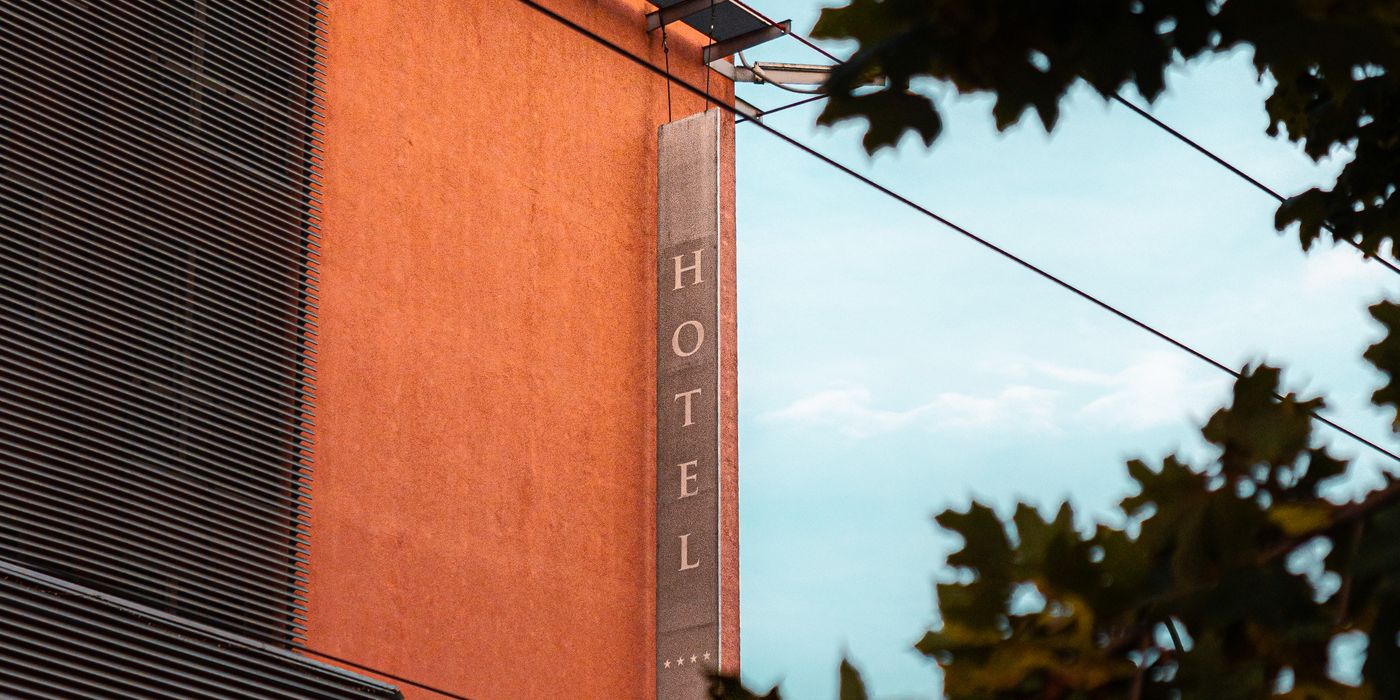
Airfare Is Up 26.7% This Year. The Hotel Is Where You Win It Back
June's travel inflation data says flights jumped 26.7% while hotels rose just 5.1%. Five hotel-side levers that recover the entire airfare increase.

The June travel inflation numbers are in, and they are lopsided. Airfare is up 26.7% over the past year, the steepest jump of any travel category. Overall US travel costs are running about 11% higher. Hotels rose a comparatively gentle 5.1%, dining out 3.5%, and rental cars actually got 6.1% cheaper.
Read those numbers again and a strategy falls out of them. You cannot negotiate with an airfare. The flight to your destination costs what it costs, and this summer it costs a lot. But the hotel side of the trip is full of levers, and pulling them hard enough can recover most of what the airline took. The travelers having a normal-priced 2026 are not finding secret cheap flights. They are winning the trip back at the hotel.
The budget shifted. Your tactics should too.
Lodging is the largest controllable line in most trip budgets, typically 30 to 40% of total spend. Unlike the flight, it responds to timing, market choice, booking channel, and fee awareness. A 1,200 dollar airfare is a 1,200 dollar airfare. A 1,200 dollar hotel budget can become 850 without changing the quality of where you sleep. That 350 dollar swing is the entire airfare increase on many routes, recovered.

Lever one. Book the room late
Hotel pricing in 2026 rewards patience. Rooms booked 1 to 7 days before arrival are running 18 to 27% cheaper than identical rooms booked months out, a reversal of the old book-early wisdom. The mechanics and the exceptions are in our last-minute booking playbook, but the short version is that hotels would rather discount an empty room this week than hold a high rate into the void.
The discipline matters on the other side too. If you must book early for peace of mind, book a free-cancellation rate and recheck the price the week before. If it dropped, rebook. Ten minutes of effort, routinely worth 50 to 150 dollars a stay.
Lever two. Go where the prices fell
The strangest fact of summer 2026 is that hotel rates in many popular international destinations dropped close to 25% while US rates climbed, and Americans largely responded by staying home. We covered the full data in our report on international hotel price drops. If your dates are flexible and your passport is current, the same total budget that buys a compressed domestic week now buys a longer international trip, expensive flight included, in a surprising number of cases.
Run the whole-trip math before assuming the cheaper flight wins. A 400 dollar domestic round trip plus 280-a-night US hotel rates loses to an 900 dollar transatlantic fare plus 120-a-night European rates by night four.
Lever three. Stop the fee leak
Inflation gets blamed for a lot that is actually fee creep. The average US resort fee now sits around 38 dollars a night and rising, parking at urban hotels routinely passes 50, and the new generation of optional charges survived the FTC's disclosure rule intact. None of this shows up in the rate you compared. All of it shows up on the folio. The five-second fee check before booking keeps a 150 dollar room from becoming a 210 dollar room.

Lever four. Get paid on every night
The single most reliable lever is structural. Book through a channel that pays you back. Best returns 10% cashback on hotel bookings, which on a 1,000 dollar hotel budget is a flat 100 dollars recovered regardless of timing, destination, or season. It stacks with a hotel-earning credit card, and the combination typically recovers 15 to 20% of total lodging spend. The full stacking order is in our cashback and points guide.
This is the lever that made us build Best in the first place. Hotel margins on leisure travelers are wide, and the difference between the rate you pay and what the room needed to earn has historically gone to marketing budgets and middlemen. Returning it to the traveler is the entire product.
Lever five. Move one night
Hotel rates are not flat across the week. Sunday nights run 25 to 40% below Saturdays in leisure markets, and Thursday arrivals beat Friday arrivals in cities. Shifting a five-night stay by a single day, where work allows, often saves more than an hour of deal hunting. The same applies at the seasonal scale. September delivers August's weather at June's prices in most of the northern hemisphere.
The false economies to skip
Not every savings move earns its effort. Three that look smart and rarely are.
Booking the hotel 40 minutes from everything because it was 30 dollars cheaper. The math dies the moment you price two extra rideshares a day, or the parking you did not need downtown. Location is a cost line, not a luxury.
Chasing loyalty status for a single trip. Elite tiers reward people who sleep in hotels 40 nights a year. For one vacation, the welcome-amenity math never beats a straight 10% back, and the nights you cram into one brand to qualify usually cost more than the perks return.
Skipping the refundable rate to save 8%. Plans move. One change fee or one eaten night erases years of those 8% savings. Pay the small premium for flexibility, then use it ruthlessly to rebook when prices drop.
The pattern in all three is the same. Real savings come from structure, timing, channel, and fees, not from making the trip worse.
The worked example
Take a couple flying cross-country for a week. Flights cost 1,400 dollars this summer, up roughly 300 from last year, and there is nothing to be done about it. Their hotel budget at 250 a night for six nights is 1,500 dollars at list price.
Now pull the levers. Booking inside the final week, or rebooking a flexible rate after a drop, takes roughly 20% off, down to 1,200. Choosing the hotel without the 38-dollar nightly resort fee saves another 228 against the alternative. Booking through a 10% cashback platform returns 120 more, and a card earning 3 to 5% on travel adds 40 to 60 on top. Total recovered, roughly 590 to 630 dollars. That is double the airfare increase, won back without downgrading a single night of the trip.
Common questions
Why is airfare up so much more than hotel prices in 2026?
Airline capacity has lagged demand on many routes, and fuel and labor costs pushed fares 26.7% above last year, per June 2026 inflation tracking. Hotel supply is more elastic, so lodging rose only 5.1% in the same period, which is why the savings opportunity moved to the hotel side of the trip.
What is the fastest way to cut hotel costs without downgrading?
Combine a late or rebooked flexible rate with a cashback booking channel. Late booking saves 18 to 27% in 2026, cashback returns a further 10%, and neither changes which room you sleep in.
Are rental cars really cheaper this year?
Yes. Rental car prices are down 6.1% year over year as of June 2026, the only major travel category that declined, which strengthens the case for drive-distance trips while airfare stays elevated.
Images: Hero by Cuvii via Unsplash. Budget planning by Kaboompics via Pexels. Hotel room by Point3D Commercial Imaging via Unsplash. Used under license.