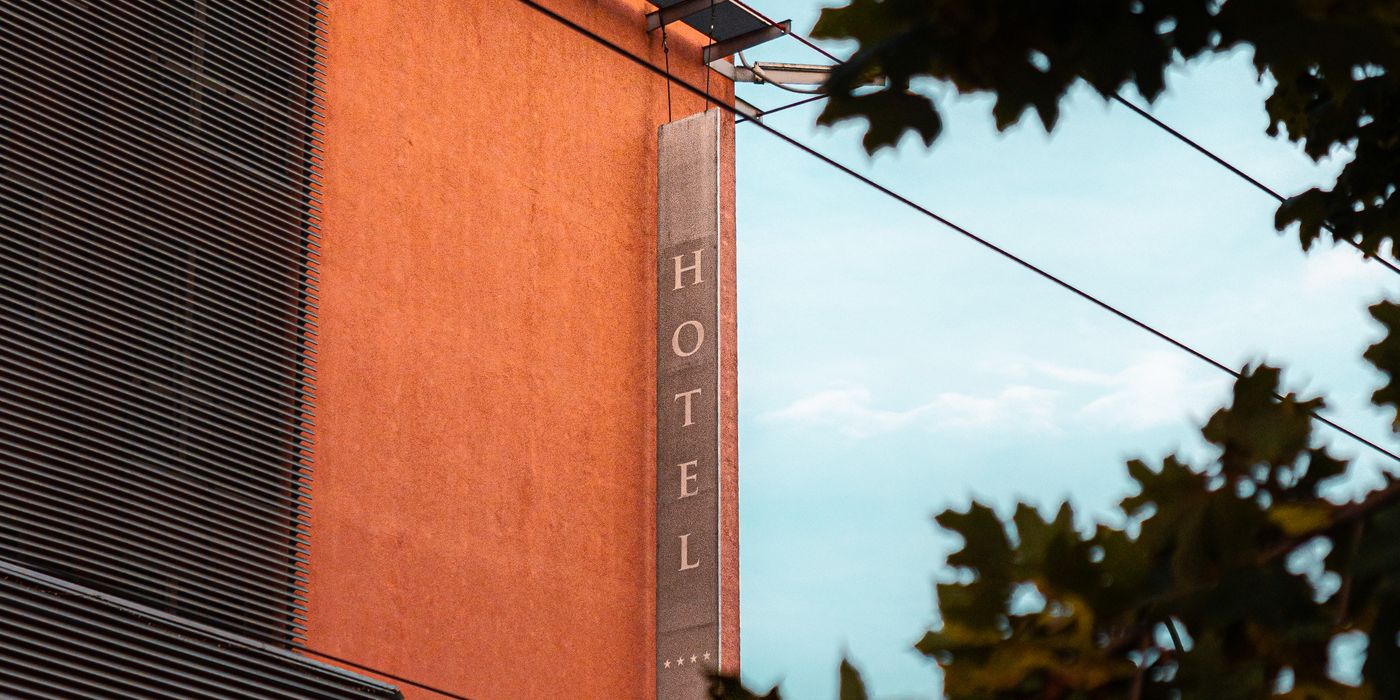
Alicante in 2026: Europe's Fastest-Rising Summer Destination

Tripadvisor's Summer 2026 Traveller Index put Alicante at the top of its European trending destinations list. Most American travelers have never considered it. Most European travelers have been sleeping on it too, routing instead to Barcelona or Mallorca without realizing there's a city on the Costa Blanca that offers the same sun and seafood at a fraction of the price.
Alicante sits roughly halfway between Valencia and Murcia, on a bay that faces southeast and catches afternoon light in a way that makes the waterfront look like a stage set. The city has a castle on a hill, a beach running alongside the city center, an old town with actual local restaurants, and an international airport with direct connections from more than 30 countries. Average hotel rate in summer: roughly 90 to 130 euros per night for mid-range near the beach. That's 30 to 40% less than equivalent hotels in Barcelona or San Sebastian.
Why Alicante Is at the Top of the List Right Now
A few things converged in 2026. UK travelers drove the initial surge, drawn by direct flights and prices that made a week in Alicante cheaper than a UK staycation with comparable weather. Then the data showed up in Tripadvisor's indices, and travel media picked it up. Searches are now growing from North America and the rest of Europe as well.
The underlying appeal isn't new. Alicante has always had a good beach, a good castle, good food, and manageable prices. What changed is visibility. It was always in the shadow of better-known Spanish cities, and that shadow is lifting.
It also helps that Alicante is not a resort town pretending to be a city. El Barrio, the old town, has narrow streets that locals actually use. The Central Market is a real market, not a tourist attraction dressed as one. The restaurants stay open on local schedules, not adjusted ones.

Where to Stay
Three areas make sense depending on what you want from the trip.
The city center and Postiguet Beach area is where most visitors land. Hotels here walk you to the beach, the old town, and the main promenade (Esplanada d'Espanya, lined with an extraordinary palm-shaded marble mosaic). This is highest demand, so book 6 to 8 weeks in advance for July and August if you want reasonable rates. June and September have the same weather and meaningfully lower prices.
San Juan Beach sits about 4 kilometers north. The beach is longer and less packed. The area around it is a real neighborhood where Alicante residents actually spend their summers. Hotels run 15 to 25% cheaper than downtown equivalents. You'll want to use the tram to get into the old town, which runs reliably and costs about 1.45 euros per trip.
El Barrio (the old town) has a small selection of boutique hotels and guesthouses in the streets below the castle. More atmospheric, smaller, and often sold out well in advance for summer. Worth checking if you prioritize character over amenities.
Book through Best and you get 10% cashback on any of these. At 110 euros per night for 7 nights, that's 77 euros back.
What to Eat
Alicante sits in the broader Valencia culinary region, and that means rice is taken seriously. The local specialty is arroz a banda, a saffron rice cooked in fish stock and served with alioli on the side. It's different from paella and deserves its own reputation. Order it for two people minimum.
The Central Market (Mercado Central de Alicante) opens every morning except Sunday. The building itself is worth seeing, and the vendors inside sell fresh local produce, salt cod, fresh fish from the Mediterranean, and prepared foods. Get there before 10am for the best selection.
For dinner, walk one block away from any restaurant with a photo menu facing a major plaza. Prices drop and the food tends to be better. The streets around Plaza del Ayuntamiento have good options in both directions.
The region produces its own wine (the DO Alicante appellation focuses on Monastrell and Muscat) and turrón, the nougat made in nearby Jijona, is a genuine local product worth buying from a specialty shop rather than a souvenir stand.

What to Do Beyond the Beach
Castillo de Santa Barbara is the obvious landmark and genuinely worth it. A lift cuts into the rock and takes you up free of charge. Go in the morning before the heat builds. The views across the bay are best with the light coming from the east. The castle hosts changing art exhibitions, usually free to enter once you're up there.
Tabarca Island is the thing most first-time visitors skip, and it's the single best day trip from Alicante. The ferry runs from the harbor in about 45 minutes and costs roughly 20 euros round trip. Tabarca is Spain's only inhabited fortified island: a small fishing village, streets you can walk end-to-end in 15 minutes, and a marine reserve with some of the clearest water on the Costa Blanca. Snorkeling from the island rocks is excellent. Day trips fill in July and August, so book the ferry ahead or go on a weekday morning.
The MARQ Archaeological Museum is better than its relatively low profile suggests. The building is thoughtfully designed, the collection spans tens of thousands of years of occupation of this corner of the Mediterranean, and the interactive exhibits are well done. Budget two hours.
When to Go and What a Trip Actually Costs
June is the best month for Alicante. Average temperature 26 degrees Celsius, no school holidays yet, prices 20 to 30% below July and August peaks. September is equally good once European school holidays end around the second week. October is excellent weather with beaches mostly empty.
The Bonfires of San Juan festival runs around June 20 to 24. If that's why you're going, book accommodation months in advance. If that's not why you're going, consider avoiding that week.
A realistic daily budget for two people in summer: hotel 90 to 130 euros, food 50 to 80 euros (two meals, local restaurants, wine), activities 15 to 30 euros. Total: 155 to 240 euros per couple per day. That's well below Barcelona, Lisbon, or Rome for comparable quality.
Common Questions About Visiting Alicante
People ask whether Alicante or Benidorm is the better base for a Costa Blanca trip. They're genuinely different places. Benidorm is a purpose-built resort town built around all-inclusives and package holidays. Alicante is a city that has a beach. If you want a city with markets, museums, a real restaurant scene, and nightlife alongside beach time, Alicante is the obvious choice.
Do you need Spanish in Alicante? Not really. Tourist areas have solid English coverage, and restaurant staff in the center manage well enough. Learning a handful of phrases goes a long way in terms of how you're treated, but it's not required.
How far in advance should you book for July or August? For mid-range properties near the beach, 6 to 8 weeks is the safe window. For boutique hotels in the old town, they go even faster.
Is Alicante worth it for a long weekend? Yes, if you're flying from the UK or elsewhere in Europe with a short flight. The city is compact enough to cover the main things in two full days. For anyone flying from North America, a week minimum makes more sense given the travel time.
Images: Alicante harbor by contributor via Unsplash. Tabarca Island coast by contributor via Unsplash. All via Unsplash, used under license.