The Coolcation Boom Is Real. Here's Where the Rooms Are Still Worth Booking
Searches for cooler destinations are up 74 percent in 2026. Here is where coolcation rooms still deliver value, and where you need to book early.

Something shifted in how people picked their summer this year. Searches for cooler destinations jumped 74 percent year over year since January 2026, according to Trip.com data. Iceland flight searches are up 85 percent. Greenland's summer tours sold out. One car rental company projects travel to Scandinavia will climb as much as 35 percent this year, far ahead of the old southern European favorites.
The word for it is coolcation. The idea is simple. Instead of booking a trip around guaranteed sun and 35 degree afternoons, you book around a comfortable 10 to 20 degrees, cooler nights, and the absence of a heat advisory. After a run of record breaking Mediterranean summers, a lot of travelers decided they would rather hike than hide indoors until sunset.
We watch booking patterns closely, and this one is not a blip. It is reshaping where the demand sits, and that has real consequences for what you pay. Here is where the trend is heading and which cool weather rooms are still worth booking in 2026.

Why the cool north got expensive fast
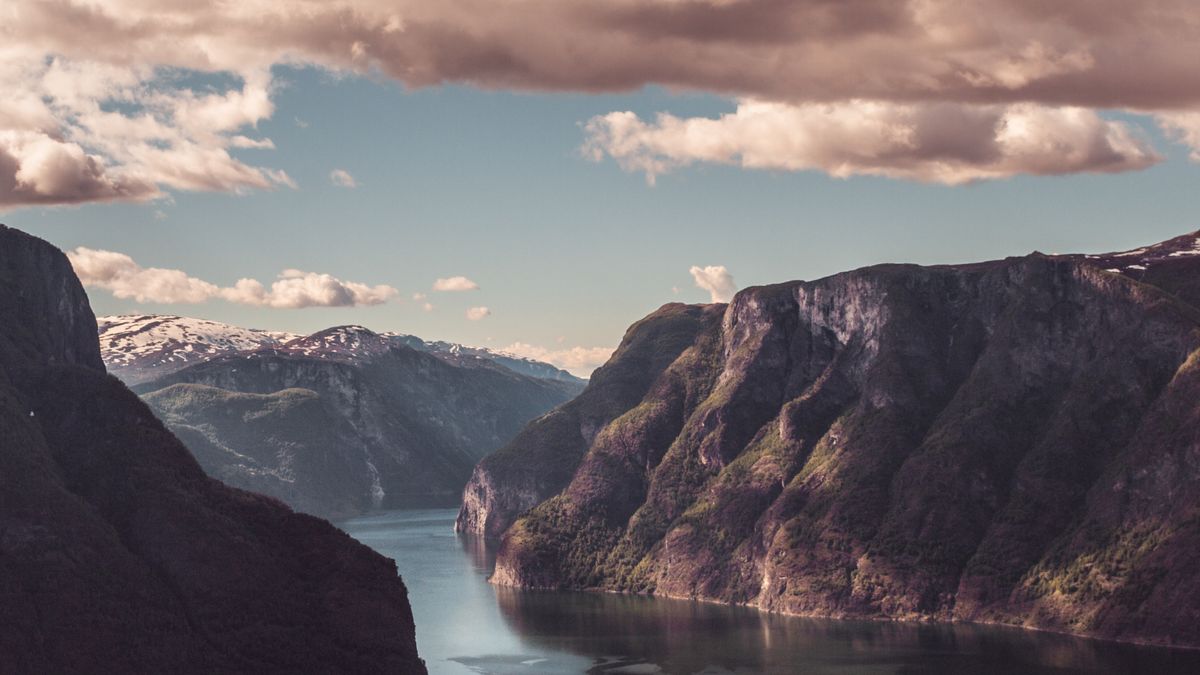
The catch with any trend this loud is that prices follow the crowd. Iceland, Norway, and Switzerland top most coolcation rankings, and their hotel rates have moved accordingly. A mid range room in Reykjavik in July now runs well north of 200 euros a night, and the Norwegian fjord towns are not far behind during their short peak season.
That does not make them a bad idea. It makes them a plan ahead idea. If your heart is set on Lofoten or the Ring Road, the move is to book early and lock the room while there is still supply. Iceland's summer rooms in particular thin out by spring, and last minute travelers end up paying for it or staying an hour from where they wanted to be.
The cool destinations still flying under the radar
The value right now sits one ring out from the famous names. Slovenia is the clearest example. Lake Bled and the Soča valley give you Alpine lakes, green mountains, and midsummer temperatures in the low 20s, at a fraction of Swiss prices. A comfortable room near Bled in summer runs around 100 to 140 euros, less than half what you would pay across the border in Austria or Switzerland.
Estonia and Latvia belong on the list too. Tallinn and Riga stay mild through summer, their old towns are walkable and genuinely old, and hotel rates are among the lowest in the European Union for cities of their quality. The same goes for parts of Scotland and Wales, where a cool, damp, gloriously green summer is the entire point and the rooms cost a fraction of London.
Closer to the Mediterranean, the smart pick is elevation. Mountain towns in northern Spain, the French Alps in their non ski months, and the Italian Dolomites all sit ten degrees cooler than the coast and see a fraction of the coastal crowds. You get the same country, the same food, minus the heat and the queues.
How to book a coolcation without overpaying
Three things separate a good cool weather booking from an expensive one.
First, decide early whether you want a headline destination or a value one. If it is Iceland or a fjord town, treat the room like a concert ticket and buy it the moment your dates are firm. If you are flexible, aim one ring out at Slovenia, the Baltics, or a mountain town, and you will keep your options open much longer.
Second, watch the shoulder weeks. The coolcation surge is heaviest in July and early August. Late June and the first half of September in northern Europe still deliver cool, comfortable weather with noticeably softer rates and fewer people. We broke down the wider version of this in our look at where Europe's hotel value is hiding this fall.
Third, factor cashback into the real cost. On a week in a 130 euro a night room, booking through Best returns 10 percent, which is 91 euros back over seven nights. On the pricier northern rooms, where you might be paying 200 a night, that same 10 percent is 140 euros back on a week. The more the trend pushes rates up, the more the cashback is worth.
Is the coolcation trend worth following?
For a lot of people, yes. If you have spent a July afternoon in Seville or Athens lately, the appeal of a 19 degree hiking day needs no explanation. Just go in with clear eyes. The famous cool destinations are now priced like the famous hot ones used to be, and the real bargains are the places one step removed from the headlines.
If you would rather stay warm and simply travel smarter about it, that works too. Croatia's Dalmatian coast stays swimmable and lively well into the shoulder season, and our guide to where to stay in Split covers how to dodge the worst of the peak season prices there.
Common questions about coolcations in 2026
What is a coolcation? A coolcation is a summer trip planned around cooler temperatures, usually 10 to 20 degrees Celsius, instead of guaranteed heat and sun. The goal is a comfortable climate for hiking and sightseeing rather than beach weather.
Which coolcation destinations offer the best value in 2026? Slovenia, Estonia, Latvia, Scotland, and mountain regions of Spain, France, and Italy give you cool summer weather at far lower hotel rates than Iceland, Norway, or Switzerland.
When should you book a coolcation? For headline destinations like Iceland and the Norwegian fjords, book by early spring, because summer rooms sell out. For value destinations, you can book later, but late June and early September deliver the best mix of weather and price.
Images: Hero and Aurlandsfjord by photographers via Pexels, used under the Pexels license. Lake Bled by Barricade Breaker via Wikimedia Commons, used under license.