Eastern Europe Is Having Its Best Year Ever. Here’s Where to Start.

Seven of the top ten trending travel destinations in the world right now are in Eastern Europe. Prague search interest is up 180% year-over-year. Sofia is up 136%. Krakow up 106%. Budapest up 86%.
This isn't a new story. Eastern Europe has been "about to have its moment" for years. But 2026 is different. The combination of falling airfares, new direct routes from North America, and genuine word-of-mouth from travelers who skipped Paris and London and came back raving about Riga has pushed the region from underrated to unmissable.
If you haven't been, here's what you need to know before you book.
Why Eastern Europe Is Surging Right Now
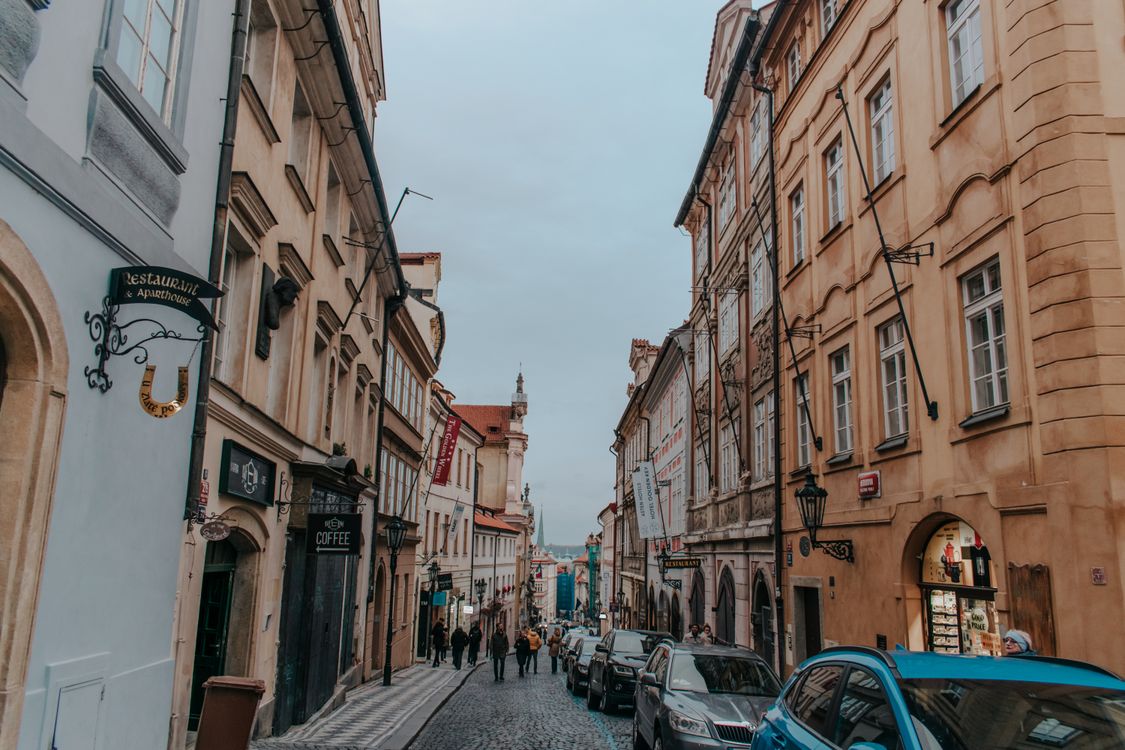
Three things happened at once. Airfares to European cities dropped an average of 14% in 2026 compared to last year, with some Eastern European routes falling even further. Split, Croatia dropped 33%. Sarajevo dropped 36%. At those prices, even travelers who had Western Europe trips on the radar started reconsidering.
New nonstop service helped. For the first time, Americans can fly direct to Sofia, Bulgaria starting in 2026. That single route change turns Sofia from "technically possible but annoying to get to" into a weekend-friendly trip from major East Coast cities.
The third factor is harder to quantify but probably most important: the relative value. Prague is 30-50% cheaper than London or Paris for hotels, food, and drinks. Budapest comes in even lower. Sofia makes both of those look expensive. For travelers who've watched Western European hotel prices climb through the last three years, the contrast is striking.
Prague: What It's Actually Like in 2026
The crowds are real. The Old Town Square fills up by 10 AM in summer. If your image of Prague is a quiet city of cobblestones and beer halls, you'll need to adjust.
But Prague rewards people who get off the standard route. Zizkov, the hilly neighborhood east of center, has the density of bars and restaurants per block that Shoreditch had fifteen years ago. Vinohrady is where Praguers actually live, with wine bars and neighborhood restaurants that don't appear in any guidebook. Holesovice has the contemporary art museum and a food market that runs on Saturdays.
Hotel prices in Prague's center run roughly 60-100 euros per night for a well-reviewed mid-range property in 2026. That same 80 euro budget in Vienna or Amsterdam gets you something much more basic. Book through Best and 10% cashback brings the effective nightly rate down further, which adds up across a longer stay.
One practical note: Prague is busiest in June and July. If your schedule allows, early May and September both offer milder weather and noticeably thinner crowds. The beer gardens are still open. The Christmas markets haven't started. It's the city at its most livable.
Budapest: Underrated in Its Own Way
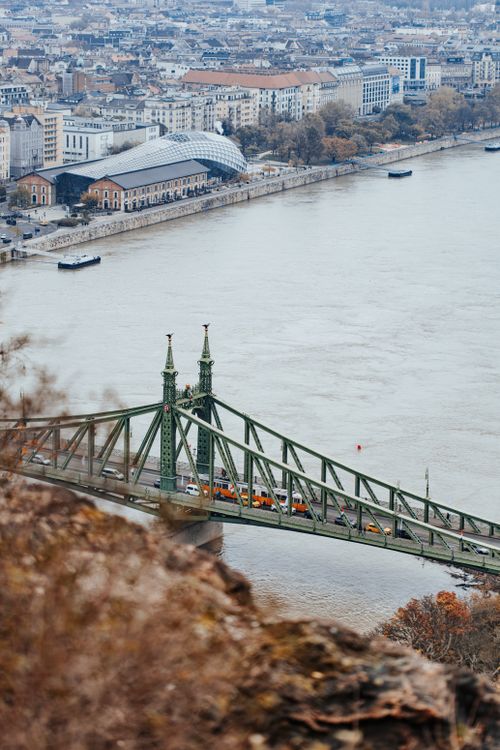
Budapest gets grouped with Prague constantly, but the two cities feel nothing alike. Prague is compact and vertical and medieval. Budapest is wide and grand and Habsburg, split down the middle by the Danube into Buda (hilly, quiet, castle) and Pest (flat, busy, ruin bars).
Hotel prices here are lower than Prague. Private rooms in the 7th District run from 43 to 80 euros a night for decent properties. The thermal baths are the thing everyone does and for good reason. Szechenyi is the famous one but Rudas, on the Buda side, is smaller and often less crowded.
A few things specific to 2026: Hungarian forint has remained weak against both the dollar and euro, which makes everything from restaurant bills to taxi rides feel significantly cheaper than the listed prices suggest. Budget travelers are noticing. Mid-range travelers are getting more than they paid for.
Sofia and the New Tier of Eastern European Cities
Sofia is the real surprise. Bulgaria's capital has been on travelers' radars for maybe two or three years, but 2026 is the year it tips. The 136% search interest increase reflects genuine discovery rather than marketing.
What's there: Sofia sits at the foot of the Vitosha mountain, which means you can hike above the treeline in the morning and eat dinner in the old city that evening. The Alexander Nevsky Cathedral is one of the genuinely beautiful Orthodox cathedrals in Europe. The food is good and cheap. A full dinner at a respected restaurant in the center costs what a single cocktail costs in Copenhagen.
Accommodation ranges from well-reviewed hostels at 10-12 euros a night to boutique hotels in the 60-90 euro range. The quality-to-price ratio consistently surprises first-time visitors.
Sarajevo and Krakow: The Ones to Watch
Sarajevo is perhaps the most emotionally compelling destination in the region. The city's history is everywhere: in the old bazaar, in the siege-era scars still visible on buildings, in the way the city itself is shaped by a narrow valley. Airfares to Sarajevo dropped 36% in 2026. Hotels remain inexpensive, with solid options in the 40-70 euro range.
Krakow, at 106% search growth, is the Eastern European city most Americans already know about. The Old Town is beautiful but crowded. Kazimierz, the old Jewish Quarter, is where most visitors end up spending their time. The Wieliczka Salt Mine, 14 kilometers south, is genuinely remarkable.
How to Book Eastern Europe Smart in 2026
A few patterns hold across all these destinations. The 7-14 day lead time for Eastern European hotels tends to produce better rates than either last-minute or far-advance booking. The markets aren't as yield-managed as Western European capitals.
Shoulder season is still genuinely off-peak here. May, September, and October prices drop noticeably from summer peaks, and the experience often improves. Fall in Eastern Europe is hard to beat.
Book hotels in any of these cities through Best and you're getting 10% cashback on top of whatever rate you find. Across a week in Budapest at 70 euros a night, that's roughly 49 euros back.
Frequently Asked Questions
Which Eastern European city is cheapest to visit in 2026?
Sofia, Bulgaria is currently the most affordable Eastern European capital for travelers. Hotels run 10-90 euros depending on category, food is inexpensive by European standards, and the new nonstop route from the US makes getting there easier than it's ever been.
Is Prague too crowded for travel in summer 2026?
Prague's Old Town is genuinely crowded in June and July. But neighborhoods like Zizkov, Vinohrady, and Holesovice offer a different experience entirely. Visiting in May or September cuts the crowds noticeably while keeping the weather good.
How much does a hotel in Budapest cost in 2026?
Mid-range hotels in Budapest's central 7th District run roughly 43-80 euros per night. The weak Hungarian forint makes everything feel cheaper in practice. Well-reviewed properties in the 60-euro range are common and consistently well-reviewed.
What is the best Eastern European city for first-time visitors?
Prague has the best tourist infrastructure and is the easiest entry point. Budapest offers a different experience with slightly lower prices and a distinct character. If you want fewer crowds and a more genuinely local feel, Sofia is increasingly worth considering, especially with the new direct US routes.
Images: Prague street scene by Irina Iriser. Budapest Parliament by Václav Jonáš. Both via Pexels, used under license.



