Europe's New Border System Is Fully Live in 2026. What It Means for Your Trip
Europe replaced the passport stamp with fingerprints and a face scan in 2026. What the new EES border system means for your trip, and how to get through faster.
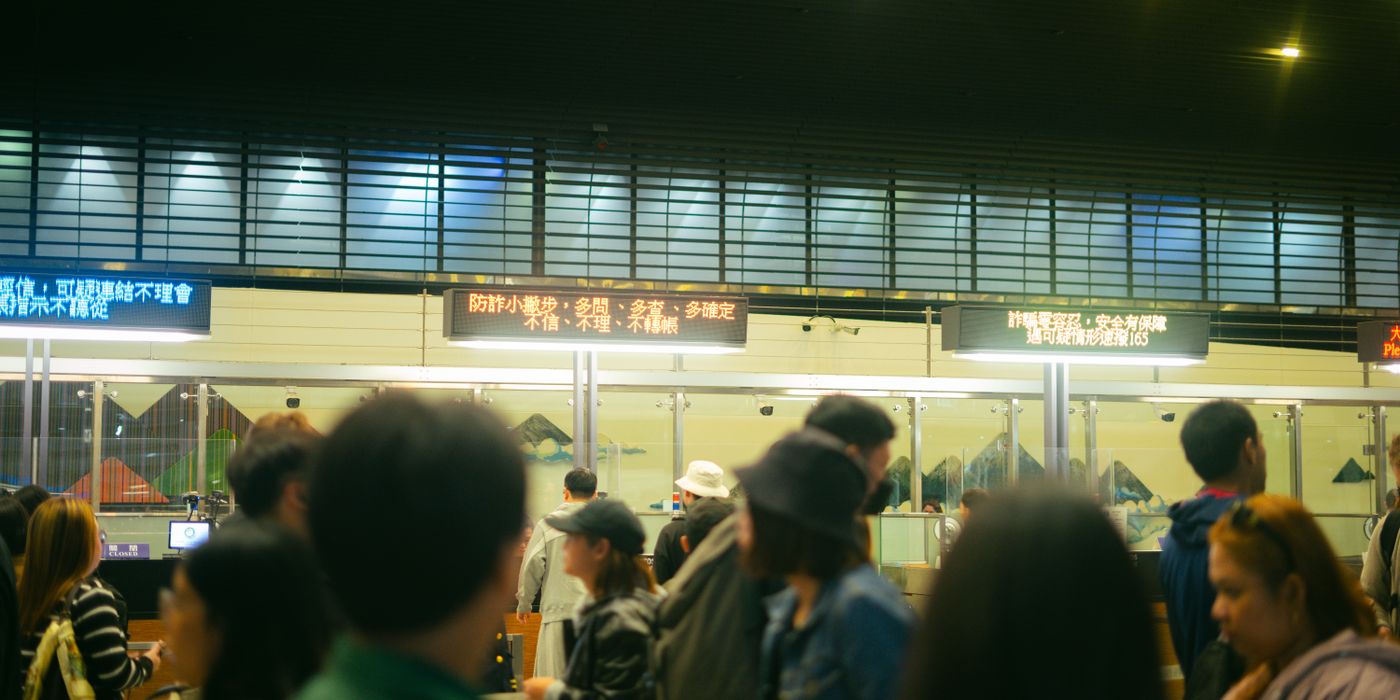
If you are flying to Europe this year, the passport stamp you have collected on every trip since you were a teenager is gone. As of April 2026, Europe scrapped the ink stamp at its borders and replaced it with a digital system that takes your fingerprints and a photo of your face instead.
It is called the Entry/Exit System, or EES, and it is now running at the external borders of all 29 countries in the Schengen Area. The rollout started in October 2025 and became fully operational on April 10, 2026. Most travelers will meet it for the first time this summer. Here is what actually changes and how to keep your border crossing short.
What the EES is
The EES is an automated registration system for non-EU travelers entering the Schengen Area for a short stay, meaning up to 90 days in any 180-day period. That covers American, British, Canadian, and Australian passport holders, among many others.
The first time you cross a Schengen border after the launch, a border officer or a self-service kiosk records four fingerprints and a facial image, along with your passport details and the date and place of entry. That biometric record is stored and reused for three years, so on later trips the system recognizes you and the process speeds up.

The point of all this is to replace the manual passport stamp with a digital log. Border authorities can now see exactly when you entered and left, which makes it much harder to overstay the 90-day limit without it being noticed.
What it means for your trip
Two practical things change for you.
First, your initial entry takes longer. Registering biometrics for the first time adds time at the booth, and during busy periods that has meant longer lines at major airports as the system beds in. Plan for a slower passport queue on your first arrival, especially at big hubs like Paris, Madrid, Amsterdam, and Rome.
Second, the 90-day rule now enforces itself. Before, an overstay might slip past a busy officer who could not read every stamp. Now the clock is digital and exact. If you are the kind of traveler who strings together a long European summer, count your days carefully. The system is counting them for you.
One thing that does not change. The EES is not a visa and it is not something you apply for in advance. You do not fill out a form or pay a fee before your flight. The registration happens at the border itself.
EES is not ETIAS. Do not mix them up
This is where most travelers get confused, so here is the clean version. The EES is the biometric system at the border, live now, nothing to apply for. ETIAS is a separate travel authorization that you will apply for online before you fly, similar to the American ESTA, expected to start later, after the EES is fully settled.
When ETIAS does launch, it will cost a small fee, around 20 euros, and be valid for three years. It is not here yet as of mid-2026. So for a trip this summer, the EES is the only new thing you will actually encounter, and again, you handle it at the border, not before.
How to get through the border faster
A few moves make the first crossing painless.
Arrive with extra time on your first Schengen entry of the trip. Building an extra 30 to 45 minutes into a connection through a major European hub is the difference between catching your onward flight and sprinting for it.
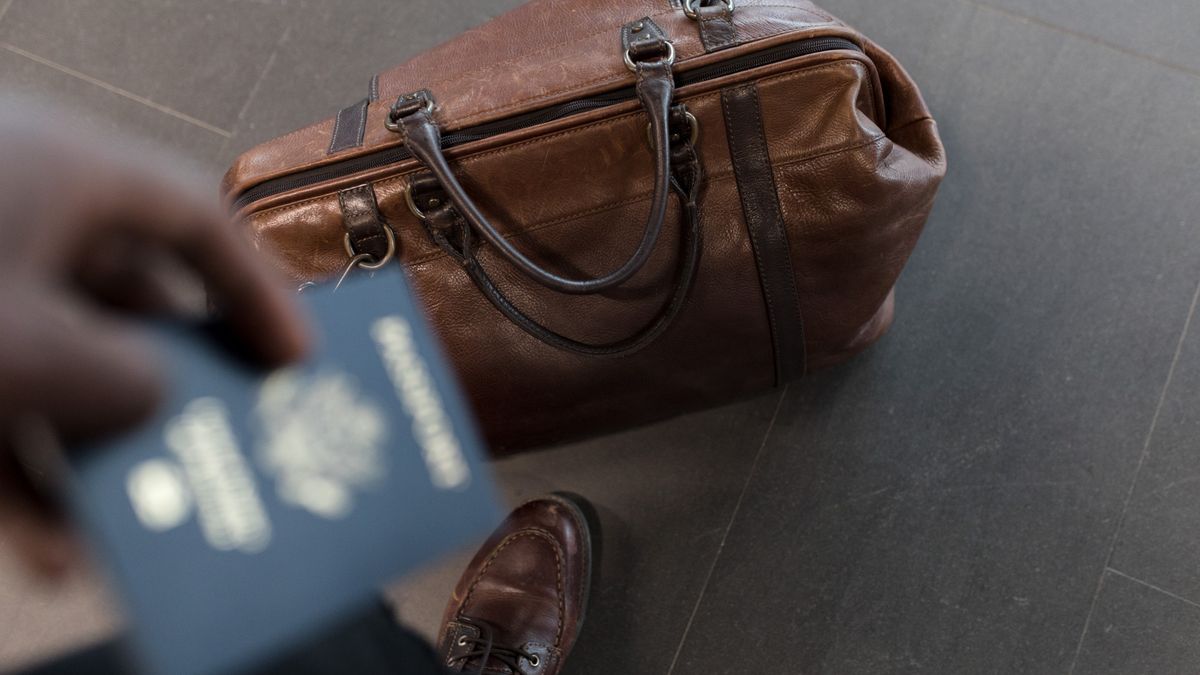
Have your passport ready and know your accommodation address. Some kiosks ask where you are staying. Having your first hotel booking pulled up on your phone saves fumbling.
Use the self-service kiosks where they exist. Several large airports have installed EES kiosks that let you scan your own passport and capture biometrics before you reach an officer, which moves the line along.
After the first trip, it gets faster. Because your biometrics are on file for three years, your second and third entries during that window skip the enrollment step.
Should this change your travel plans?
No. The EES adds a few minutes to your first arrival and tightens a rule most travelers were never going to break anyway. It does not affect where you can go, how long a normal trip lasts, or what you pay. The single real adjustment is leaving more buffer on your first connection of the trip.
If anything, it is a reason to lock your first night's hotel early so you have the address ready and one less thing to think about at the booth. Booking that first stay through Best gets you 10 percent back on it, which is a small consolation for a slower passport line.
Common questions about the EES
Do I need to apply for the EES before traveling to Europe? No. The EES is not an application or a visa. Your fingerprints and photo are recorded at the border when you arrive. There is no form to fill out and no fee to pay in advance.
Which countries use the EES? All 29 countries in the Schengen Area apply the EES at their external borders as of April 2026, including France, Spain, Italy, Germany, the Netherlands, Greece, and Portugal.
Will the EES make airport lines longer? Your first entry takes longer because biometrics are recorded at the booth. Later entries within three years are faster since your data is already on file. Expect slower queues at major hubs during peak summer while the system settles.
What is the difference between the EES and ETIAS? The EES is the biometric border system, live now, with nothing to apply for. ETIAS is a separate online travel authorization expected to launch later, which you will apply and pay for before you fly.
What about the UK and Ireland?
Two places trip people up. The United Kingdom is not in the Schengen Area and left the EU, so the EES does not apply when you fly into London or Edinburgh. The UK runs its own entry rules and its own electronic travel authorization. Ireland sits in the EU but stays outside the Schengen Area under a long-standing arrangement with the UK, so it does not use the EES either. If your trip is London then Paris, you meet the system only when you reach France.
Land borders count too. The EES applies at road and rail crossings into Schengen, not just airports. If you take the train from London to Paris or drive in from a non-Schengen neighbor, expect the same biometric registration on your first crossing.
How long does this actually take?
For a first-time registration, the booth or kiosk step adds roughly one to two minutes per traveler on top of a normal passport check. Per person that is nothing. The friction shows up when a full wide-body lands and a few hundred people all enroll at once. That is why the advice is about buffer, not panic. On a quiet arrival you will barely notice it. On a packed summer evening at a major hub, the line can crawl, and the travelers who left spare time are the ones who make their connection.
Images: Hero and passport via Pexels. Airport departure hall via Wikimedia Commons. All used under license.