How to Book a Hotel Day Room in 2026 (and When It Beats an Overnight)
Rent a hotel room for the daytime only, often for a third of the overnight price. How to book a hotel day room in 2026 and when it beats paying for a full night.
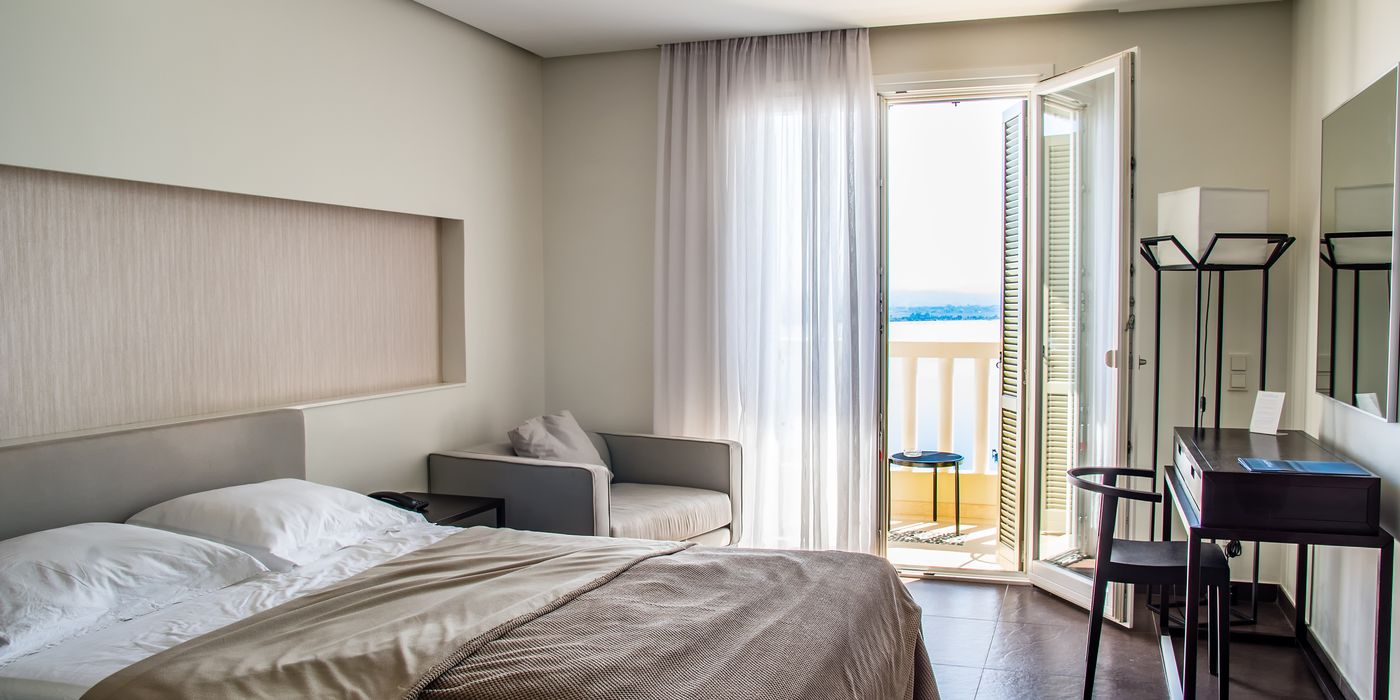
Picture a nine-hour layover, or a flight that lands at 6 a.m. when check-in is not until 3 p.m. You are exhausted, you have a full day to kill, and the airport floor is not an option. There is a fix most travelers never think to use. You can rent a hotel room for just the daytime, sleep, shower, work, and leave before dinner, often for a third of the overnight price.
It is called a day room, or day-use booking, and the market for it has grown fast. Here is how to book one in 2026, what it costs, and the situations where it quietly beats paying for a full night.
What a day room actually is
A day room is a normal hotel room booked for a block of daytime hours instead of an overnight stay. A typical window runs something like 9 a.m. to 6 p.m., though many hotels offer flexible blocks of three, six, or twelve hours that you slot wherever you need them.
You get the real room. A bed, a private bathroom and shower, desk, wifi, air conditioning, and usually access to the gym or pool. You simply do not sleep there overnight. The hotel gets to sell the same room twice in one day, once to you in daylight and again to an overnight guest, so the daytime rate is far cheaper than a full night.

What it costs in 2026
As a rule, a day-use booking runs 30 to 50 percent of the hotel's overnight rate. A room that goes for 200 dollars a night often lists around 70 to 100 dollars for a day block. At airport hotels, where day rooms are most common, you can find clean, simple rooms for 50 to 80 dollars for several hours.
The shorter the block, the lower the price. A three-hour window to shower and nap costs less than a full nine-hour day. If all you need is to freshen up between flights, you do not have to pay for the whole afternoon.
How to book one
There are three reliable routes.
The first is a day-use booking platform or app. Several services specialize in daytime hotel stays and let you filter by city, airport, and the exact hours you need. These are the easiest way to compare what is available near a specific airport or train station.
The second is booking through a regular travel platform that now flags day-use rates. More hotels list daytime blocks alongside overnight stays than they did a couple of years ago, so it is worth checking the room options on whatever platform you normally use.
The third is calling the hotel and asking. Plenty of properties, especially airport hotels and city business hotels, will sell you a day rate that never appears online, particularly on a slow weekday when they have empty rooms anyway. A polite call to the front desk asking whether they offer a day-use or day rate often turns up an option no app showed you.

When a day room beats a full night
Day rooms are a tool for specific situations, not every trip. These are the ones where they shine.
Long layovers. A six-hour-plus layover is the classic case. Rather than slumping at the gate, you cross to an airport hotel, sleep in a real bed, shower, and arrive at your connection like a human being. Many airport hotels are connected to terminals or a few minutes away by shuttle.
Early arrivals before check-in. Land at dawn on an overnight flight and you usually face hours of waiting before a normal room is ready. A day room at or near the airport lets you sleep off the red-eye immediately, then head into the city refreshed when your actual hotel opens up.
Late checkouts in reverse. If you have a late-night departure and already checked out of your hotel that morning, a cheap afternoon day room gives you somewhere to rest, repack, and shower before a long flight, instead of dragging luggage around a city for eight hours.
A quiet place to work. Remote workers with a packed travel day sometimes book a day room purely for a desk, fast wifi, and silence for a few hours of focused work or a string of video calls. It beats a noisy cafe and costs less than a full night.
What to watch out for
A few things keep a day room from being a clean win.
Check the location against your real need. A day room only helps with a layover if it is genuinely close to the airport. Confirm the shuttle times or walking distance before you book, because a 40-minute transfer each way eats the time you were trying to save.
Read the hours carefully. Day-use blocks have firm start and end times. Overstay and you can get hit with an extra charge, so build in a buffer to get back to the airport or station.
Confirm what is included. Most day rooms include wifi and bathroom access, but pool, gym, and breakfast vary. If the gym shower is all you want, make sure it is part of the deal.
Is a day room worth it?
For a normal trip where you check in at night and out in the morning, no. You are paying for the overnight rate anyway. The day room earns its keep in the in-between moments, the long layover, the dawn landing, the late departure, the work marathon, where the alternative is wasting hours somewhere uncomfortable for free or paying a full night's rate to use a room for an afternoon.
When you do book a full overnight stay, going through Best gets you 10 percent cashback on it. Day-use rates are usually too small to move the needle much, but for the regular nights around them, the cashback adds up over a trip.
Common questions about hotel day rooms
How much does a hotel day room cost? Usually 30 to 50 percent of the overnight rate. A 200-dollar-a-night room often runs 70 to 100 dollars for a day block, and shorter three or six-hour windows cost less than a full day.
How do I book a hotel room for just a few hours? Use a day-use booking app, check for day-use rates on your usual travel platform, or call the hotel directly and ask for a day rate. Airport and city business hotels are the easiest places to find them.
Are day rooms only at airports? No, but airport hotels offer them most often. City business hotels also sell day-use rooms, especially on weekdays when they have empty inventory during the day.
When is a day room worth it? Long layovers, early-morning arrivals before check-in, late-night departures after checkout, and days when you need a quiet place to work. For an ordinary overnight trip, it is not worth it since you pay the night rate anyway.
Where day rooms are easiest to find
Day-use availability is not even across the map. The cities where it is easiest to book tend to be major airline hubs and big business-travel destinations, because those hotels have the empty daytime inventory and the steady stream of travelers who need it.
Large connecting airports are the safest bet. Hotels attached to or shuttling from major hubs in cities like Dubai, Singapore, Frankfurt, Istanbul, and Los Angeles almost always carry day rates, since long layovers are part of their daily business. Big-city business hotels are the second tier, strongest midweek when corporate rooms sit empty during the day. Leisure and resort destinations are the weakest, since those rooms fill overnight. If your layover or early arrival is at a major hub, you will almost always find something.
Images: Hero and daytime room via Pexels. Hotel bedroom via Pixabay. All used under license.