How to Get a Free Hotel Room Upgrade in 2026 (What Actually Works)
Free hotel upgrades are an inventory problem with known solutions. The moves that actually work in 2026, ranked by reliability, from someone who sees the data.
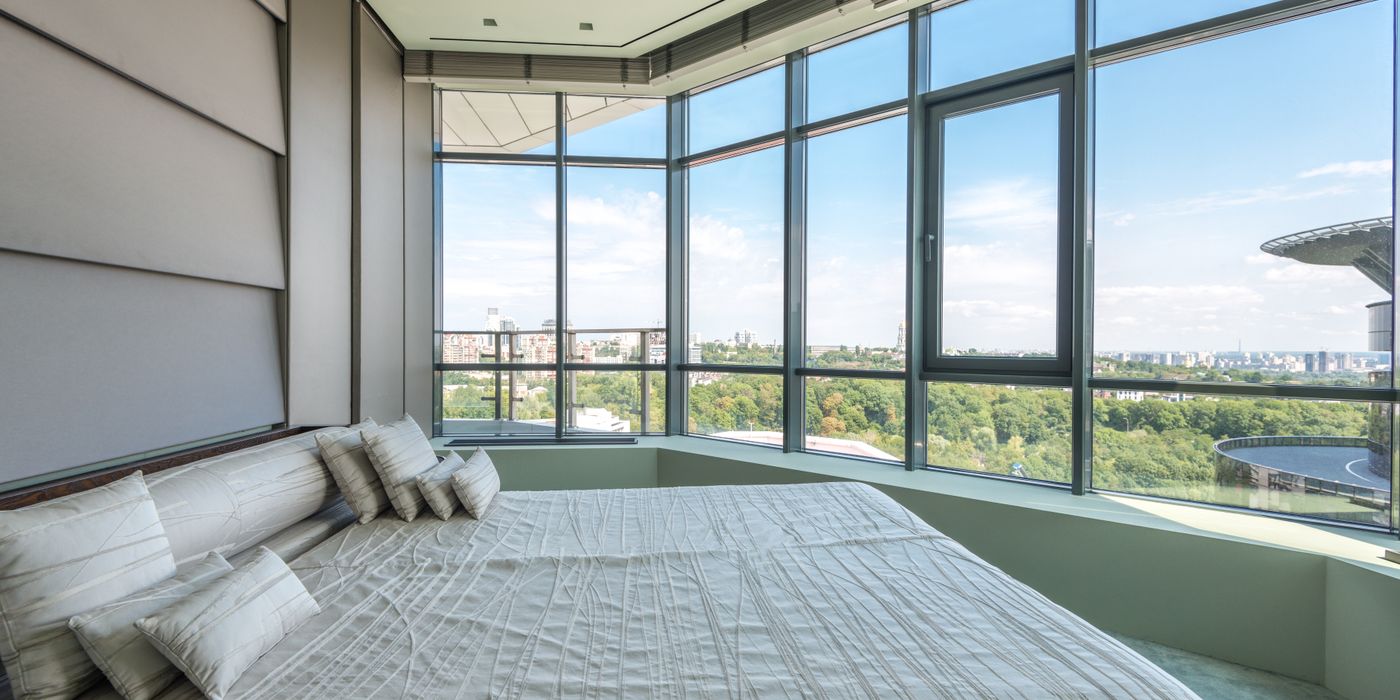
A free hotel upgrade feels like luck. It is not. It is an inventory problem with a few known solutions. Hotels overbuild their cheap rooms and undersell their good ones, so on most nights a handful of better rooms sit empty at check-in. The guests who end up in them are not the luckiest. They are the ones who set themselves up to be the obvious choice.
We deal with hotel pricing and inventory every day, so here is the honest version of how upgrades happen, and the moves that actually shift the odds in 2026.
How a free upgrade actually works
Every room type is a separate bucket of inventory. The front desk does not give away suites out of kindness. They move guests up when the night is shaping up to leave better rooms empty, and they pick the guests who are easiest to justify. A loyalty member is easy to justify. A polite repeat guest is easy to justify. An anniversary couple is easy to justify.
The decision happens late. Hotels do not know their true picture until the day fills in, which is why timing your arrival matters as much as anything you say.
One thing to clear up. Upgrades are not tied to where you booked. A loyalty number and status follow you onto almost any rate, so the channel you book through does not decide whether you get bumped up. What decides it is your status, your timing, and how you ask.
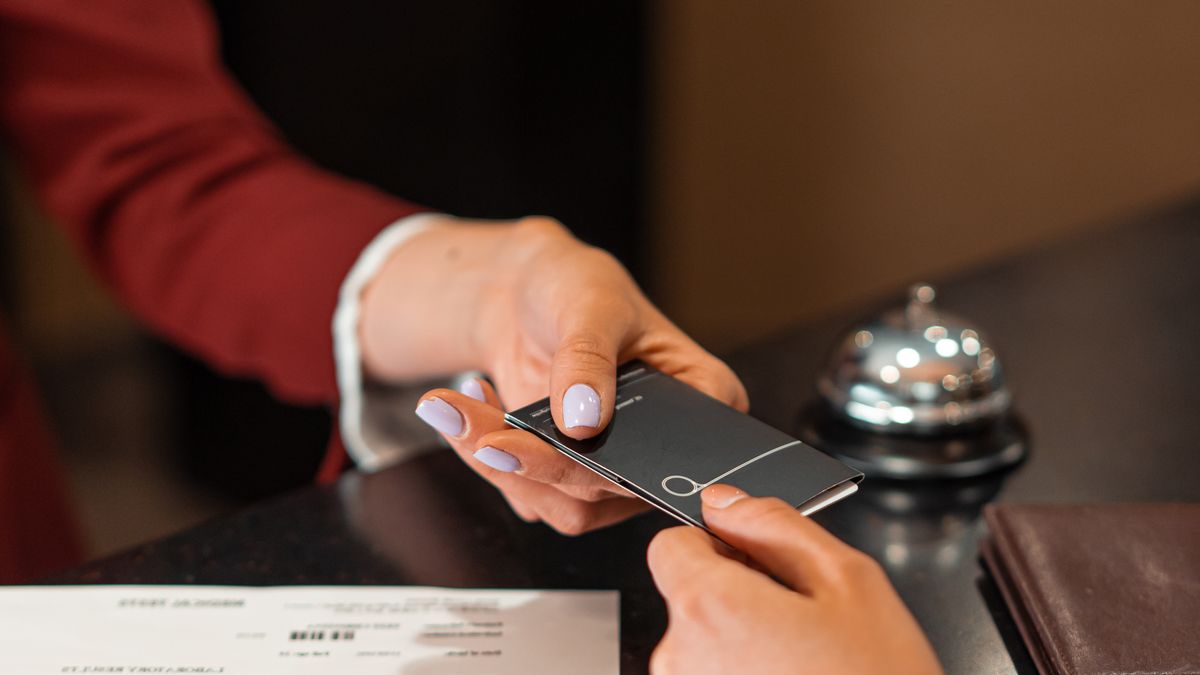
The levers, ranked by how well they work
Not every trick is equal. Based on what frequent travelers report and what we see from the inside, here is the rough order.
1. Elite status. The big one.
Loyalty status is the single most reliable path to a better room. It is free to join every major program, and even mid-tier status often carries upgrade priority. Top-tier members in some programs get confirmed suite upgrades they can apply in advance. World of Hyatt is the standout for guaranteed suite nights at its highest tiers. Frequent travelers put the success rate for elite members around 75 percent. Nothing else comes close.
If you stay even a handful of nights a year, pick one chain and concentrate your stays. Status compounds. Scattering ten nights across six brands gets you nothing. Ten nights with one brand can get you into the bottom tier and onto the upgrade list.
2. A special occasion plus a genuine ask.
Tell the desk it is your birthday or anniversary, and a lot of staff will want to make it better. This is not manipulation if it is true. Reported success here sits near 50 percent. Mention it once, warmly, and leave it there. Demanding a suite because it is your birthday does the opposite of what you want.
3. The polite ask, full stop.
Front desk staff usually have discretion. A friendly, low-pressure question at check-in works more often than people expect. Something like asking whether any complimentary upgrades happen to be available tonight. Keep it reasonable. If you booked the cheapest room, a one-category bump is realistic. A penthouse is not.
4. Good timing.
Check in later in the day, after 4 pm, once the hotel knows which rooms will actually go unsold. Weeknights beat weekends because business-heavy properties run softer leisure demand midweek. Shoulder season, the weeks between peak and off-peak, gives you the best odds of all because occupancy is lower and better rooms sit open.

Book the cheapest room on purpose
This one feels backward. If you want an upgrade, book the lowest room category, not a mid-tier one. When the base rooms sell out, the only place to put new arrivals is up, and you are first in line. Pay for a mid-range room and you have already spent the money that an upgrade would have saved, and you have moved yourself out of the bump-up queue.
The play is simple. Book the entry-level room, set yourself up well, and let the hotel move you when the math points that way.
What not to do
Do not lie about an occasion. Staff hear it constantly and a fake anniversary lands flat. Do not act entitled. The fastest way off the upgrade list is to demand a free suite as if it is owed to you. Do not slip cash across the desk in a way that feels like a bribe at a brand hotel, where it tends to make staff uncomfortable rather than helpful. And do not ask in front of a long line at peak check-in, when the desk has no time and no spare rooms.
Be the easy, pleasant guest the staff would actually like to reward. That is the whole strategy in one sentence.
Stack the upgrade with real savings
An upgrade improves the room. It does not lower the bill. The savings come from how you book. Concentrate stays for status, then book through a platform that gives you something back. Through Best, a 180 dollar room comes with 18 dollars in cashback, and your loyalty number still earns its points and upgrade priority on top. Status gets you the better room. Cashback gets you part of the money back. The two do not compete.
If you want the full version of layering rewards, our guide on stacking cashback with credit card points walks through it. For the rest of the arrival routine, our pieces on getting early check-in and finding the quietest room pair well with this one.
Does the type of hotel matter?
It does. Big convention and airport hotels run the most upgrade inventory because their rates swing hard with business demand, so a quiet leisure night can leave whole floors of better rooms open. Resorts are tighter, since their premium rooms are the product people pay for and rarely sit empty in season. Small independents almost never keep a formal upgrade list, but they have the most human flexibility, so a warm conversation at a 20-room boutique can do more than status ever would.
Match your approach to the property. Lean on status and timing at the big brands. Lean on being memorable and kind at the small ones. The same guest can get very different results depending on which door they walk through, so read the lobby before you make your ask.
A few questions we hear a lot
What is the best way to get a free hotel upgrade? Hotel elite status, by a wide margin. It is free to join a loyalty program, mid-tier status often carries upgrade priority, and frequent travelers report roughly a 75 percent success rate for elite members.
Does booking a cheaper room really help? Yes. Booking the lowest room category puts you first in line when base rooms sell out and the hotel has to move arrivals into better rooms.
When should I check in to improve my odds? Later in the day, after 4 pm, on a weeknight, ideally in shoulder season. The hotel knows its true occupancy by then and is more likely to have an empty upgrade sitting open.
Should I tip the front desk for an upgrade? At brand hotels it often backfires. A warm, reasonable ask and loyalty status work better than cash. Save the discreet tip for smaller independent properties where it fits the culture.
Status and timing get you the better room. Best gets you 10 percent back on the booking either way.
Images: Hotel interiors via Pexels. Hotel lobby by Robertcruiming via Wikimedia Commons, used under license.