The Hotel Hold on Your Card Is Bigger Than You Think
Hotel incidental holds run 25 to 300 dollars a night in 2026. What the hold actually is, why the money takes days to come back, and six ways to shrink it.

You paid for the room in June. The hotel still took another 400 dollars off your available balance at check in, and three weeks later part of it hasn't come back. Nothing has gone wrong. This is how hotel incidental holds are designed to work, and almost nobody explains the mechanics before you're standing at the desk.
The hold is not a charge. That distinction sounds like a technicality until you're travelling on a card with a 2,000 dollar limit and a hotel has quietly locked up a fifth of it for a week.
What a Hotel Hold Actually Costs You in 2026
A hotel incidental hold in 2026 runs between 25 and 300 dollars per night, and the amount tracks the property tier almost perfectly.
Budget and limited service hotels usually authorize 50 to 100 dollars for the whole stay. Mid range properties hold 100 to 200 dollars. Full service and luxury hotels, especially resorts with a spa, a minibar and signing privileges at four restaurants, commonly hold 200 to 500 dollars and sometimes charge per night rather than per stay.
The per night distinction is where budgets break. A 100 dollar per night hold on a six night stay is 600 dollars, not 100. Resorts in Las Vegas and Orlando are the most aggressive about this, which makes sense once you look at how much of their revenue arrives after check in.
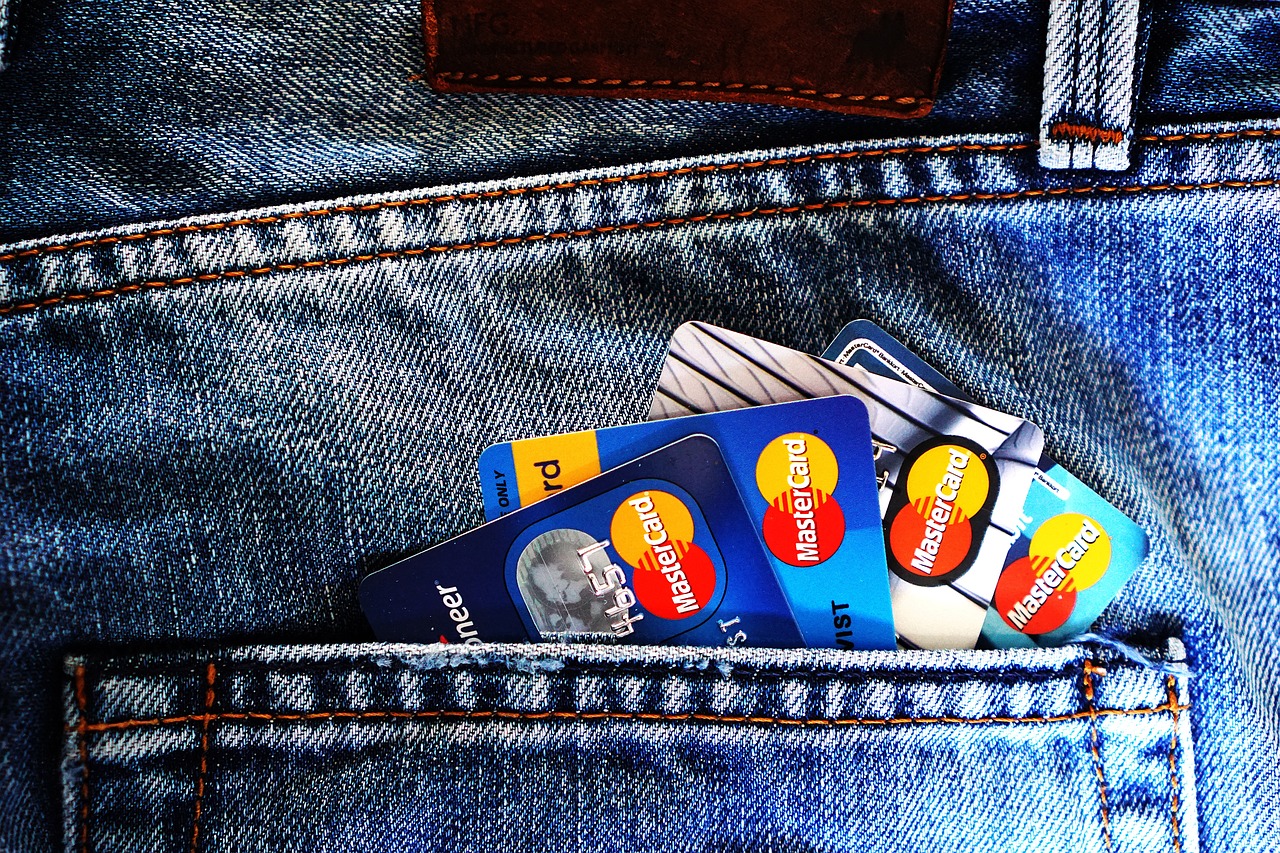
Why the Hold Exists at All
Hotels are one of the last consumer businesses that let you consume first and pay later. You can order two steaks to the room, take a 90 dollar bottle from the minibar, park in the garage for three days and use the pay per view, all without touching a payment terminal.
Every one of those is unsecured credit from the hotel's point of view. The authorization hold is how the property confirms your card can actually cover the tab it's about to let you run up.
There's a second reason nobody says out loud. Holds also cover damage. If you crack a mirror or the room needs an extra deep clean, the property already has a live authorization it can convert. That's why the hold usually scales with room rate rather than with the length of stay.
Why Getting Your Money Back Takes So Long
When you check out, the hotel finalizes the actual charge and releases the authorization. That release is not instant and the delay is not the hotel being slow.
Card networks let authorizations sit for a fixed window before they expire on their own. Hotels and other lodging merchants get a longer window than most retail categories because stays run long. In practice a released hold clears in 3 to 5 business days on a credit card. If the hotel forgets to release it explicitly, it can sit until the authorization expires, which can stretch to 10 or even 30 days depending on the issuer.
Debit cards are worse, and this is the part worth remembering. A hold on a credit card reduces available credit, which costs you nothing. A hold on a debit card removes real money from a real checking account. That money isn't spent, isn't earning anything and isn't available for groceries. A 400 dollar resort hold on a debit card is a 400 dollar interest free loan to your bank for a week.
Use a credit card at check in. It's the single highest value habit in this entire article.

The Rules Are Starting to Change
Hidden lodging costs got regulatory attention in 2026. New York City's junk fee prohibitions took effect on 21 February 2026, and the rule covers unexpected credit card holds on hotel stays alongside undisclosed mandatory fees.
The practical result is that a New York property is now expected to disclose the hold before you arrive rather than surprise you at the desk. That's a meaningful shift, and it follows the broader move toward all in pricing that also reshaped how pet fees and resort charges get displayed.
Outside New York, disclosure is still uneven. Some chains publish hold amounts on the property page. Many bury it in a terms link nobody opens. Assume you'll have to ask.
Six Ways to Shrink the Hold
Ask the amount before you book, not at the desk. A one line question to the property gets you a number. Once you're standing at reception with a queue behind you, the answer is always the standard amount.
Decline signing privileges. If you tell the front desk you won't charge anything to the room, many properties will drop the hold to a nominal 50 dollars or waive it entirely. You lose the ability to charge dinner to the room. That's usually a fair trade.
Use a credit card, always. Covered above and worth repeating. Many hotels also hold a higher amount on debit specifically because the risk profile is different.
Ask for the hold to be released at checkout, in front of you. Front desk systems can send the release manually. Asking costs ten seconds and converts a possible 30 day wait into a 3 day one.
Book longer stays as one reservation. Two back to back three night reservations can trigger two separate holds. One six night reservation usually triggers one.
Elite status helps more here than anywhere else. Waived incidental holds are one of the quieter mid tier benefits at most chains, and unlike suite upgrades it's a benefit that actually gets honored.
What to Do If the Hold Doesn't Come Off
Give it five business days after checkout. Then follow this order.
Call the hotel directly, not the central reservations line, and ask them to confirm the authorization was released and to give you the release date. Most cases end here because the release simply wasn't sent.
If the property says it released the hold and your balance still shows it, call your card issuer with that release date. Issuers can drop an authorization on request when the merchant confirms release.
If neither works after ten days, dispute the authorization. Cardholders have real protection here and the paperwork is minimal. Keep the folio from checkout, since it proves the final charge and the hold amount are different numbers.
One habit worth building. Photograph the printed folio at checkout. It takes two seconds and it's the only document that shows what you were actually charged versus what was authorized. It's the same reason we suggest checking a property's condition before you arrive, which we covered in our guide to spotting hotels under renovation.
Where This Fits in the Bigger Picture
Holds are part of a broader pattern in lodging. The advertised room rate keeps getting further from the amount that leaves your account. Resort fees, destination fees, parking, pet charges, and now the slow disappearance of free breakfast all pull in the same direction.
We built Best because that gap kept widening and nothing was pushing back the other way. Best gives 10 percent cashback on hotel bookings, which doesn't make a 300 dollar hold disappear but does mean the trip itself costs measurably less. On a 1,200 dollar week, that's 120 dollars back.
Questions People Are Asking
How much do hotels hold on your credit card? Most hotels hold 25 to 300 dollars per night in 2026. Budget properties typically hold 50 to 100 dollars for the stay, mid range hotels hold 100 to 200 dollars, and luxury hotels and resorts commonly hold 200 to 500 dollars or more.
How long does a hotel hold take to come off? Usually 3 to 5 business days after checkout on a credit card. If the hotel doesn't send an explicit release, the authorization can sit until it expires on its own, which ranges from 10 to 30 days depending on the card issuer.
Do you get the hold money back? Yes. A hold is an authorization, not a charge. You only pay the amount that actually posts to the folio. The held amount is released back to your available balance once the stay is finalized.
Can a hotel refuse to check you in without a card for incidentals? Yes, and most will. Some properties accept a cash deposit instead, though the cash version is usually larger and refunded by mail or at checkout. Prepaid cards are widely rejected for holds.
Is a debit card hold different from a credit card hold? Significantly. A debit hold removes actual funds from your checking account and typically takes longer to release, sometimes 7 to 10 business days. A credit card hold only reduces available credit and costs you nothing while it sits.
Images: Hero via Pexels. Payment cards via Pixabay. Reception desk via Pexels. Used under license.