The 2% fee that pays for your hotel points
Hotel loyalty programs are funded by card swipe fees, not by hotels. A $38 billion settlement is about to squeeze that model.
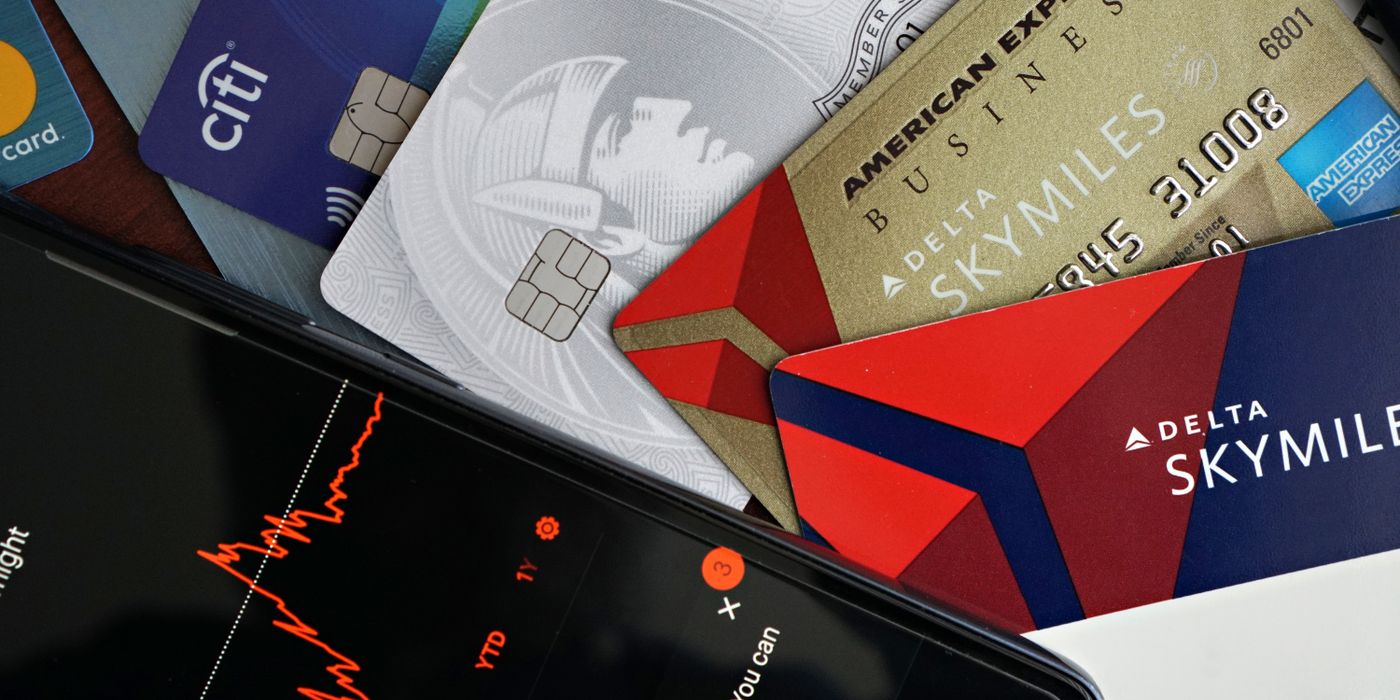
Your hotel points are not paid for by the hotel. They are paid for, mostly, by a fee of about 2% that gets pulled out of every card swipe in America, including the ones that have nothing to do with travel. Your groceries help fund somebody's free night in Rome.
That arrangement is now under real pressure. A $38 billion settlement between Visa, Mastercard and US merchants has been preliminarily approved, and the changes start landing in late 2026 and early 2027. If you have been wondering why airlines and hotels suddenly care so much about payments policy, this is why.
How hotel and airline loyalty programs actually make money
The direct answer. Hotel and airline loyalty programs make most of their money by selling points in bulk to credit card issuers, and issuers pay for those points out of interchange fee revenue, which in the US runs roughly 1.5% to 3.5% of every card transaction.
The scale is easy to underestimate. Delta collected $8.2 billion from American Express in 2025. That is a payment for points, not for flights. Co-branded card programs across travel run 35% to 50% margins, which makes them some of the most profitable businesses inside companies that otherwise operate on thin hotel and airline margins.
So the sequence works like this. You spend $100 at a hardware store. The merchant nets roughly $98 after interchange. The issuing bank keeps most of the difference. Some of it buys points from a hotel program. The hotel program books revenue today and owes you a room at some undefined future date, priced however it wants.

Why US interchange is so much higher than everywhere else
Europe capped interchange at 0.3% for consumer credit cards in 2015. Australia capped it too. The US never did, and that gap explains almost everything about why American travel rewards are richer than anyone else's.
A European hotel co-brand card cannot pay out generously because the bank funding it earns a fraction of what a US issuer earns on the same purchase. This is why a Marriott or Hilton card in the US comes with a free night certificate and a European equivalent comes with a discount voucher. Same brand, different payments regime.
It also explains a quieter cost. Higher interchange is priced into what merchants charge everyone, including people paying cash or using debit. Research on US card economics has consistently found a transfer running from lower-income cash users toward higher-income rewards card holders. Points are not free money. They are redistributed money.
What the $38 billion settlement actually changes
A judge preliminarily approved the Visa and Mastercard settlement, and the terms matter more than the headline number.
Average interchange drops about 0.10 percentage points over five years. That is smaller than merchants wanted. It is a trim, not a cap.
Certain standard consumer credit rates get capped at 1.25%. This is the piece with teeth. Standard consumer cards are the volume product, and pulling them to 1.25% removes real money from the pool that funds rewards.
Merchants can refuse some higher-cost cards. The old "honor all cards" rule required a merchant accepting Visa to accept every Visa, including the premium rewards cards that cost the merchant the most. That is going away for some categories. A hotel could, in theory, decline your highest-earning travel card.
Merchants get more room to surcharge. Expect surcharge language to spread on hotel folios and booking pages the way resort fees did.
Timing sits in late 2026 and early 2027. Large merchant groups including the National Association of Convenience Stores, the National Grocers Association and Walmart filed objections arguing the deal does too little, so the details may still move.

Why airlines and hotels are lobbying this hard
The Credit Card Competition Act would go further than the settlement by forcing routing competition on credit transactions, which is what Congress did to debit in 2010. Debit interchange fell by more than half after that.
Travel companies understand what that would do. Airlines have organized under a campaign called Protect Our Points, and card-issuer-funded media has run a parallel effort called Protect Your Points. The framing is that regulation will kill your rewards. The more accurate version is that regulation would shrink the subsidy that makes American rewards unusually generous, and the industry would reprice accordingly.
We do not have a side in the legislative fight. We do have a view on what it means for how you should think about booking, because the economics are shifting under a system most travelers treat as permanent.
What this means for anyone earning hotel points right now
Nothing changes this month. Earning rates on existing cards are set by contracts that run for years. But three things are worth watching.
Watch for earn rate trims rather than devaluations. When funding tightens, programs usually cut the earn side first because it is less visible than raising award prices. A card that earned 6x at hotels quietly becoming 4x generates far fewer complaints than a free night certificate losing its value.
Watch the annual fee side. If interchange revenue falls, issuers make it up in fees. Premium travel card annual fees have already climbed steeply. That trend has room to continue.
Watch for surcharges at checkout. The new surcharge flexibility means some merchants will start charging you 2% to 3% for using a rewards card. Earning 4x on a purchase that costs 3% more is not a win.

Why we built Best around cashback instead of points
Points programs are opaque by design. The value of a point is set by the company that issues it, changed without notice, and expressed in a unit you cannot spend anywhere else. That is a feature for the issuer and a problem for you.
Cashback does not have that problem. Ten percent back on a $200 room is $20. It is $20 next year too. Nobody can revalue it, expire it, or blackout-date it.
That is the whole reason Best returns 10% of the booking to the traveler instead of routing the margin into a currency we control. When the funding model behind points gets squeezed, a cashback rate does not move. It does not depend on interchange, on a card issuer contract, or on what a program decides a point is worth in 2029.
Questions travelers ask about points and card fees
Will my hotel points lose value because of the Visa and Mastercard settlement?
Not immediately. The changes phase in during late 2026 and 2027, and existing card contracts run for years. The realistic effect is slower earning and higher annual fees over time rather than a sudden devaluation.
How much does a hotel actually pay for the points it gives you?
Programs typically sell points to issuers in the range of half a cent to a cent each, and hand them out at a cost far below what they charge you to redeem. That spread is where the 35% to 50% margins come from.
Is cashback better than hotel points?
It depends on how you travel. Points can beat cashback on aspirational redemptions if you have flexibility and a high tolerance for award searching. For anyone booking a normal hotel at a normal rate, a fixed cashback percentage usually returns more real value and always returns predictable value.
Why are US travel rewards better than European ones?
Because Europe capped interchange at 0.3% in 2015 and the US did not. The card issuer funding a European co-brand earns a fraction of what a US issuer earns, so the rewards are proportionally smaller.
Can a hotel really refuse my credit card now?
Under the settlement terms, merchants gain the right to decline certain higher-cost card products rather than being required to accept every card carrying the network logo. In practice most hotels will keep accepting everything and add surcharges instead.
Images. Hero, payment terminal and hotel reception via Pexels. Credit cards by Lotus Head, used under CC BY-SA 2.5 via Wikimedia Commons.