Why August Is Actually One of the Best Times to Visit Japan

Almost everyone who travels to Japan does so in spring, for cherry blossoms, or in fall, for the foliage. Summer gets a reputation for brutal heat and packed crowds and is largely written off as the wrong time to go.
That reputation is mostly wrong. July and August are one of the cheapest times to visit Japan, with hotel rates dropping 20-40% from spring and fall peaks. And if you know how to handle the heat, the experience is different from any other season in ways that are genuinely worth it.
Why Summer Gets a Bad Rap
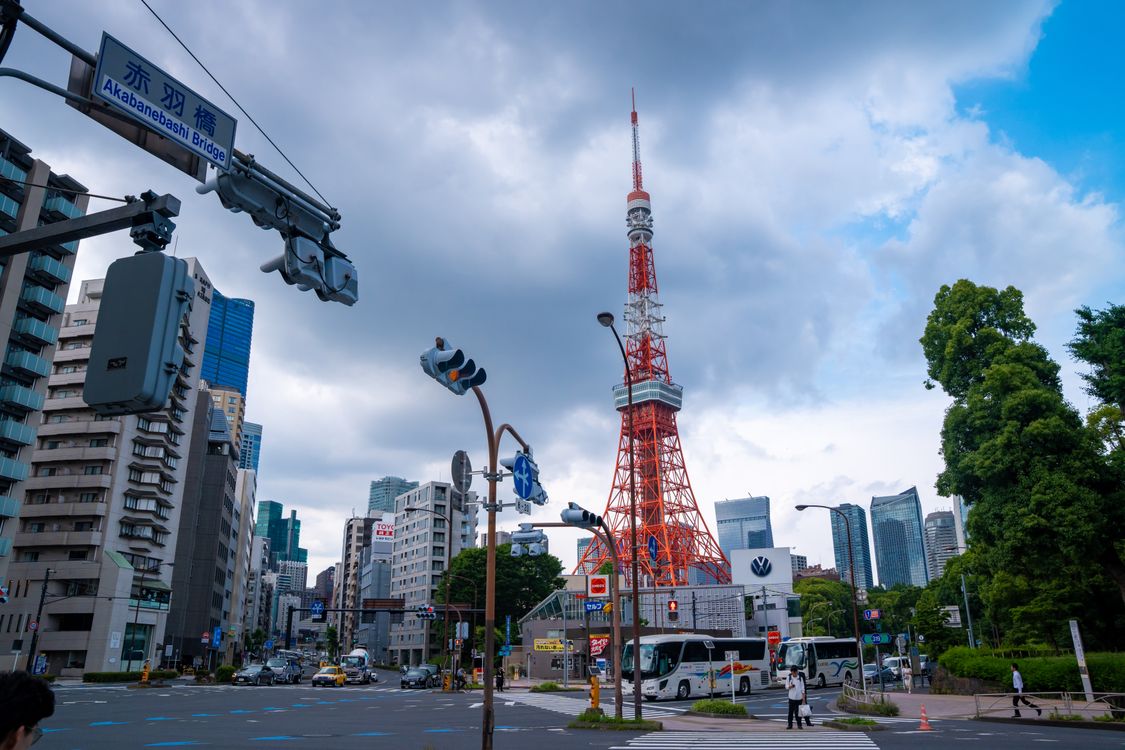
The heat objection is real. Tokyo in August regularly hits 35 degrees Celsius with high humidity. Kyoto is worse. Osaka is similar. If you're planning to walk 20,000 steps a day through open-air historic sites, summer is genuinely punishing.
But "it's hot" is a framing problem. The question isn't whether it's hot, it's whether the heat changes what you can do in ways you can't work around. And for most trips to Japan, it doesn't. The country is extraordinarily well-equipped for summer heat: every train station is air-conditioned, every department store is a cool refuge, every konbini has cold drinks and shaved ice, and the entire culture has adapted to outdoor life in July and August over centuries.
The crowd argument is more complicated. Summer school holiday periods bring domestic Japanese travelers to popular destinations. But the spring cherry blossom peak and autumn leaf peak bring far more international tourists. If crowds from other Western travelers are what you want to avoid, summer is actually better than the popular seasons.
The Price Drop Is Real
Hotel prices in Tokyo drop 20-40% in July and August compared to the spring and fall peak seasons. A mid-range hotel in Shinjuku that runs 25,000 yen ($165) per night in April typically comes down to 15,000-18,000 yen ($100-120) in August. Budget options drop proportionally.
Osaka is generally 10-20% cheaper than Tokyo year-round, and the summer discount applies there too. Kyoto also shows meaningful price drops in summer — partly because visitors who come specifically for temple-hopping in ideal weather often skip the hottest months.
For 2026, Japan's exit tax increased to 3,000 yen ($20) per person. Worth factoring into your budget. And if you're considering the JR Pass for getting between cities, calculate your specific route costs first — the pass got significantly more expensive in 2023 and isn't always the best value anymore depending on your itinerary.
What Summer in Japan Is Actually Like

Summer festivals are the best argument for visiting during this period. Japan's matsuri culture is at its peak in July and August.
Gion Matsuri in Kyoto runs through the entire month of July, with the main parade on July 17th. It's one of Japan's three major festivals and it transforms the city. Tenjin Matsuri in Osaka happens on July 24-25 and centers on a boat procession on the river. Tokyo's Sumida River Fireworks Festival brings enormous crowds but is also spectacular.
Obon, the Buddhist festival of remembrance, falls in mid-August. Some businesses close as families return to hometowns. But it's also when local festivals and bon odori dancing happen in neighborhoods across the country — experiences that have nothing to do with tourism and everything to do with watching a culture celebrate itself.
The food in summer has a character that other seasons don't. Hiyashi chuka (cold ramen), kakigori (shaved ice with syrups ranging from simple melon to elaborate red bean and mochi combinations), cold soba, watermelon sold from stalls at festivals. It's specific and seasonal and worth experiencing.
How to Handle the Heat
Start early. The hours from 7-10 AM in Tokyo and Kyoto are cooler and less crowded. Do the outdoor temples, markets, and walking in the morning. By noon, retreat to air-conditioned spaces. Then head back out in the late afternoon when the heat starts to break, which in Japan often coincides with beautiful evening light and the beginning of festival activity.
Department stores are underrated. Isetan in Shinjuku and Hankyu in Osaka have entire basement levels of food halls (depachika) worth hours of browsing. All air-conditioned to the point of cold.
The konbini culture is particularly well-suited to summer travel. Cold drinks, cooling towels, summer-specific snacks, and the ability to grab something cold every few minutes of walking make 7-Eleven and Lawson something different in Japan than anywhere else.
Where to Stay in Tokyo in Summer
Shinjuku puts you on every subway line, walkable to department stores and restaurants, and close to the greenery of Shinjuku Gyoen to the south. Shibuya is similar in function with a younger energy. Asakusa gives you the historic temple district at the cost of slightly longer subway rides to western Tokyo.
Mid-range hotels in these neighborhoods run roughly $100-130 per night in July and August 2026. Book through Best and the 10% cashback brings a week's accommodation cost down by $70-90.
Osaka as a Base
Tokyo gets most of the attention but Osaka is genuinely competitive as a summer base. Hotels run 10-20% cheaper. The city's subway system is excellent and day trips to Kyoto, Nara, and Hiroshima are all within easy reach.
Dotonbori at night in summer, with the neon reflections and the festival energy and the streets crowded with people eating takoyaki and arguing about which kushikatsu place is better, is one of the best urban experiences in Asia right now.
Frequently Asked Questions
Is Japan worth visiting in summer 2026?
Yes, particularly if hotel costs are a factor. July and August hotel prices in Tokyo drop 20-40% compared to spring cherry blossom season. The heat is real but manageable with good scheduling. Summer festival season from July through mid-August offers experiences that don't exist at other times of year.
How much does a hotel in Tokyo cost in summer 2026?
Mid-range hotels in central Tokyo neighborhoods like Shinjuku and Shibuya run approximately 15,000-20,000 yen ($100-130) per night in July and August. This is noticeably cheaper than spring peak rates. Budget options start from around 5,000 yen ($33) per night.
What are the best summer festivals in Japan in 2026?
Gion Matsuri in Kyoto runs through all of July with the main parade on July 17th. Tenjin Matsuri in Osaka is July 24-25. Tokyo's Sumida River Fireworks Festival happens in late July. Obon in mid-August brings local bon odori festivals across the country.
Should I buy a JR Pass for Japan in 2026?
Calculate your specific route costs before buying. The JR Pass increased in price significantly in 2023 and is no longer automatically the best value. If you're doing Tokyo-Kyoto-Osaka-Hiroshima on shinkansen, run the individual ticket prices first and compare.
Images: Tokyo aerial by Jezael Melgoza. Tokyo night street by Jezael Melgoza. Both via Pexels, used under license.