Lisbon in 2026: What the City Actually Looks Like When You Go Past the Guidebook
Lisbon has been written about endlessly. This guide skips what you already know and covers neighborhoods, real costs, what most visitors miss, and when to go for the best combination of weather and value.
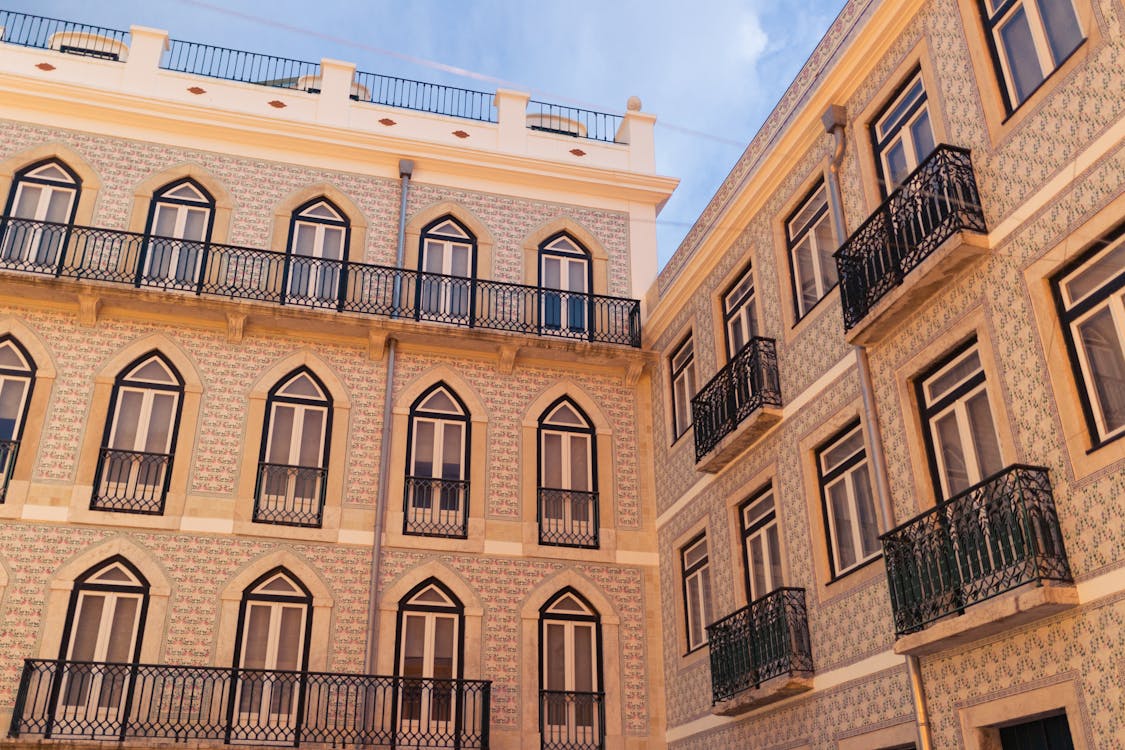
Lisbon gets more visitors every year and somehow keeps finding ways to absorb them. The city has been the subject of travel writing for at least a decade, and most of it says the same things: the trams, the pastéis de nata, the tiles, the fado. All true. None of it captures why people who visit Lisbon often end up going back.
What actually makes the city work is harder to describe. It sits at the mouth of the Tagus River where it opens into the Atlantic, and that geography shapes everything — the light is different here than in other Southern European capitals, softer and more golden, bouncing off the river and the white-washed buildings. The city is hilly in a way that's inconvenient but beautiful. The neighborhoods feel distinct from each other in a way that takes a few days to understand.
This guide covers the practical side of a Lisbon trip in 2026: which neighborhoods to stay in, what things actually cost, when to go, and what most visitors skip that they shouldn't.
Neighborhoods: Where to Stay
Alfama is the old Moorish quarter, the one with the narrow streets, the miradouros (viewpoints), and the fado clubs. It's atmospheric and worth spending time in, but it's also steep, cobblestoned, and not easy to navigate with heavy luggage. Hotels here tend to be smaller boutique properties. Expect 120-200 per night for decent options.
Chiado and Bairro Alto sit above Alfama and have more of a neighborhood feel for visitors who want good restaurants and wine bars within walking distance of the accommodation. This is where most of the better mid-range and upscale hotels cluster. Rates run 150-300 for quality properties. The proximity to Cais do Sodré — Lisbon's liveliest nightlife district — means late-night noise is a factor on weekends.
Mouraria is Alfama's less-visited neighbor and worth considering if you want proximity to the old city without paying Alfama rates. It's gentrifying but still has more of an everyday Lisbon feel than the tourist-dense areas. Good value at 90-150 per night.
Belém sits about 6 kilometers west of downtown on the river and is where you go for the Tower of Belém, the Jerónimos Monastery, and the original Pastéis de Belém bakery. It's not the best base for exploring the city overall but makes sense if you're combining Lisbon with a coastal day trip west toward Cascais.
What Things Cost in 2026
Lisbon is no longer cheap by European standards, but it's still meaningfully more affordable than Paris, Amsterdam, or Zurich. A main course at a mid-range restaurant runs 15-25. A glass of local wine at a wine bar, 4-7. A pastéis de nata at a good bakery, around 1.50.
Hotels have seen significant price increases since 2022, driven by tourism growth and short-term rental pressure on the residential market. Budget options in good locations start around 70-80 per night. Mid-range quality accommodation in Chiado or Príncipe Real runs 140-200. Luxury properties at the top of the market — the Bairro Alto Hotel, Bettina & Niccolò Corsini — start around 350 and go up considerably from there.
Transport inside the city is reasonable. A 24-hour transport pass covering metro, trams, and buses runs about 7. The famous Tram 28 route through Alfama costs more if you buy a single ticket (around 3) but is included in the day pass. Taxis and Bolt (common in Lisbon) are affordable by Western European standards.
When to Go
May and June are the sweet spot. Temperatures are in the low-to-mid 20s Celsius, the city is past the winter quiet and before the full summer crush, and the light is at its best. The Santo António festival in June — celebrating Lisbon's patron saint — brings street parties, grilled sardines, and the city at its most celebratory. Hotels in June book out well in advance.
July and August are hot (often 30-35°C), crowded, and expensive. The city doesn't shut down the way some Southern European cities do in August — there's enough tourist infrastructure to stay open — but it's not the most comfortable time to walk uphill between viewpoints.
September and October are the second-best window. Temperatures drop back to the mid-20s, the beaches west of the city stay warm enough for swimming, and the tourist crowds thin noticeably. Hotel rates in October can be 20-30% below peak summer prices.
November through March is genuinely worth considering for budget travelers. Winter in Lisbon means 14-17°C daytimes, occasional rain, and dramatically lower prices — hotel rates in February can be half what they are in August. The city's museums, fado clubs, and restaurants all stay open. You just won't be spending much time on the beach.

What Most Visitors Skip
LX Factory is the most obvious answer — a 19th-century industrial complex on the riverside in Alcântara that's been converted into a weekend market, restaurants, bookshops, and art spaces. Sunday is the main market day. It's reliably good.
Mouraria's music scene is less polished and more authentic than the fado tourism circuit in Alfama. There are small venues in Mouraria where traditional fado is still performed for locals rather than tourists. They're not on the main booking platforms and require a bit of research to find, but they're worth the effort if music is part of why you came.
The wine shops along Rua do Arsenal and around Cais do Sodré are where you can taste and buy Portuguese wines — not just port — at prices that reflect what wine actually costs in Portugal rather than what it costs after export margins. A bottle of serious Douro red that retails for 35 in Lisbon costs 60-80 in New York or London. Worth buying a few to bring home.
Setúbal and the Arrábida Natural Park sit about 45 minutes south of Lisbon and have some of the clearest water and best beaches in continental Portugal. Almost no international tourists go there. It's an easy day trip by car.
The Fado Question
You probably should see a fado performance. The genre is genuinely Lisbon's own — a form of Portuguese music characterized by longing and melancholy, performed with guitar accompaniment, and listed by UNESCO as intangible cultural heritage. The problem is that the tourist fado industry around Alfama has produced a lot of mediocre dinner-and-show packages priced at 50-80 per person that bear limited resemblance to the real thing.
Tasca do Chico and Mesa de Frades in Alfama are considered among the more authentic options on the tourist circuit. Book ahead. Go for the music more than the food. Or ask locals where they'd actually go — the answer is usually somewhere in Mouraria or a neighborhood venue that doesn't appear in guide books.

Day Trips Worth Taking
Sintra is the obvious choice and genuinely deserves the reputation. The palaces on the hillside — particularly the Pena Palace — are spectacular. Go on a weekday, arrive early, and buy tickets in advance online. The queues for the Pena Palace on a summer weekend are long enough to make the experience frustrating.
Cascais is a 40-minute train ride from Lisbon's Cais do Sodré station and gives you beach access, a pleasant old town, and a string of good seafood restaurants. Trains run frequently, the fare is under 5 round trip, and you can combine it with a walk along the coast toward Guincho beach.
Óbidos, about 80 kilometers north, is a walled medieval town that earns a half-day. The walls are walkable and the interior is small enough to cover properly in a morning. Pairs well with a wine tasting stop in the Torres Vedras region on the way back.
Frequently Asked Questions
How many days do you need in Lisbon? Three days covers the main neighborhoods, a viewpoint or two, Belém, and one good day trip. Five to seven days gives you time to slow down, explore neighborhoods like Mouraria and Príncipe Real properly, and take multiple day trips.
Is Lisbon safe? Yes. It has a reputation as one of the safer large cities in Southern Europe. The usual urban precautions apply — watch your pockets on Tram 28 and in crowded markets, don't leave bags unattended at café tables. The areas tourists visit are generally low-risk.
What's the best way to get from the airport? Metro Line M (Vermelho) connects the airport to downtown in about 20 minutes for around 2. Taxis and Bolt take a similar time and cost 10-18 depending on destination and traffic. Rideshare is usually the better call with heavy luggage.
Images: Lisbon tram by Pixabay via Pexels. Tagus River boats by Peterdo via Pixabay. Lisbon rooftops by matos11 via Pixabay. All used under free license.