48 Hours in Tirana: The Balkan Capital Everyone's Quietly Underestimating

The first thing that surprises you in Tirana is the color. Every building from the communist period is painted in graphic blocks of yellow, magenta, teal, deep blue. Edi Rama, who's now the prime minister of Albania, was the mayor here in the early 2000s, and he ordered the paint job himself when he ran the city. Twenty years later, the colors still hit you walking out of the airport taxi.
The second thing that surprises you is the prices. A flat white at a serious cafe costs €1.20. A two-course dinner with wine at a real restaurant runs €18 to €25 per person. A 4-star hotel in the city center runs €70 to €110 a night in shoulder season. Tirana is roughly half the cost of Lisbon, a third of Barcelona, and a quarter of Paris. And it's getting more interesting every year.
We've spent enough time in Tirana over the last 18 months to recommend it confidently. This is what to do with 48 hours in the city, plus where to stay and what to actually eat.
Where to stay in Tirana
The neighborhood you want is Blloku. This was the closed quarter where the communist leadership lived under Enver Hoxha. After 1991 it opened up and became Tirana's bar, restaurant, and boutique hotel district. It's compact, walkable, and most of what you want to do is within 15 minutes on foot.
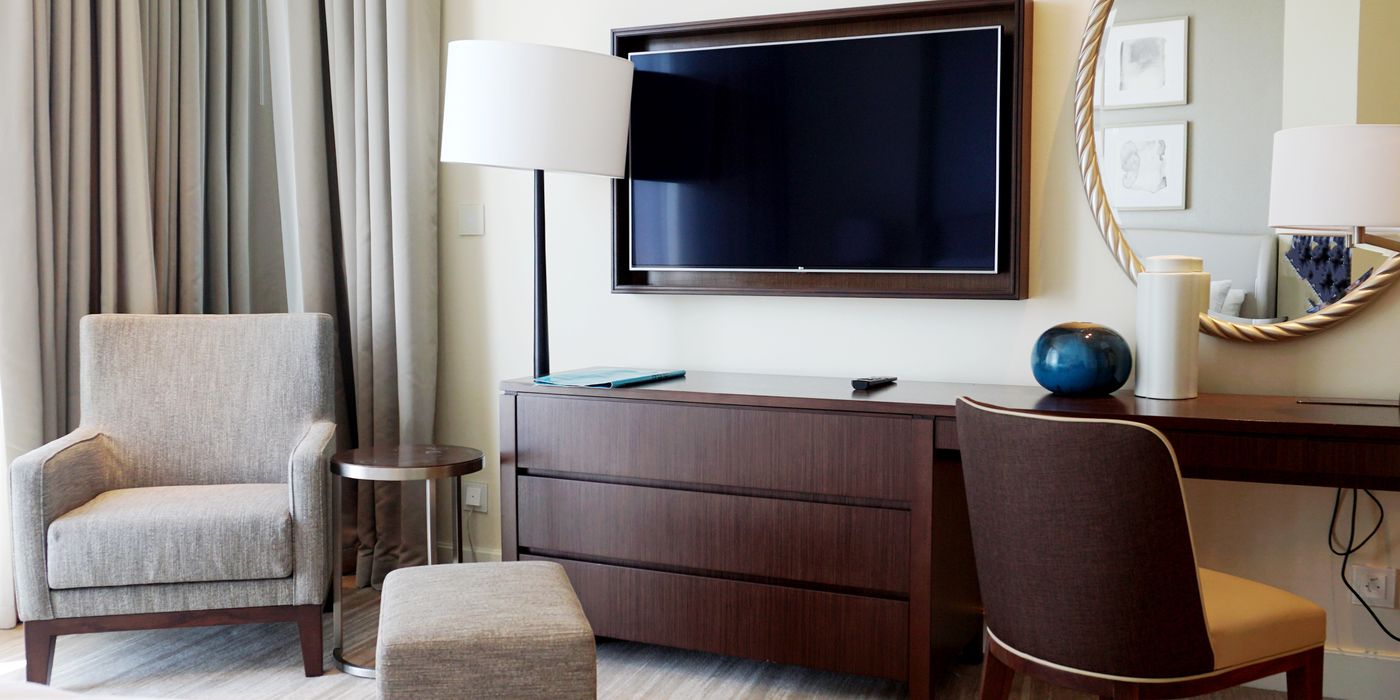
For mid-range stays, Lot Boutique Hotel runs around €90 a night in May, has 18 rooms, and a small rooftop. Maritim Hotel Plaza Tirana sits on Skanderbeg Square itself and runs €120 to €160 depending on the week.
For higher-end, Adorn Tirana opened earlier in 2026 as part of Accor's Handwritten Collection. Twenty-five rooms, six suites, intentionally small. Rates run €180 to €240. The location is closer to Bunk'Art 2 than to Blloku, which suits people who'd rather walk to museums than to bars.
Budget travelers can find decent guesthouses for €30 to €45 a night within a 10-minute walk of the center. Tirana's budget tier is real and competitive, not just cheap and bad.

Day one: the city center
Start at Skanderbeg Square. It's the only square in the world named after a 15th-century Albanian military commander who fought the Ottomans, which gives you some sense of how much history Tirana packs into its 600,000 people. The square is enormous, recently repaved, and bordered by the Et'hem Bey Mosque (1789), the Clock Tower (1830), the National History Museum, and the Opera. You can do the whole orientation in 20 minutes.
The National History Museum sits on the north side of the square with a large mosaic mural called "The Albanians" above its entrance. Inside, the section covering 20th-century Albania is the most useful. The country went from Italian occupation to one of the most isolated communist regimes in the world to multi-party democracy in roughly 60 years. The exhibit explains how, in clear English, in about 90 minutes.
From the museum, walk south on Rruga Murat Toptani toward Blloku. About halfway there you'll see The Pyramid of Tirana. It was built in 1988 as a museum to Hoxha, abandoned after his death, used variously as a NATO base, a TV studio, and a graffiti canvas. In 2023 it reopened as a tech and youth center after a renovation by MVRDV. You can climb up the outside stairs to the top for a view of the city. There's no fee.
For lunch, walk into Blloku and find Mullixhiu. This is the restaurant doing the most interesting Albanian food in the country right now. The chef trained at Noma. The menu uses traditional Albanian ingredients (lamb, wild greens, fermented dairy, mountain honey) in plates that wouldn't be out of place in Copenhagen. Expect €25 to €35 a head for lunch.
Afternoon: Bunk'Art 1 or Bunk'Art 2. These are former bunkers turned into museums. Bunk'Art 1 sits at the edge of the city near the cable car to Mount Dajti and covers the communist era broadly. Bunk'Art 2 is in the center, smaller, and focuses specifically on the secret police and political persecution. If you only have time for one, do Bunk'Art 2. It's a 90-minute visit and one of the most disturbing museums in Europe. Skip if you've had a long flight.
Dinner in Blloku. Try Padam Boutique for a traditional Albanian tasting menu in a 1930s villa, or Salt for a more casual modern menu. After dinner, the bars on Rruga Pjetër Bogdani fill up. Komiteti Café Museum is the one to start at. It's a cafe-bar built inside a recreated 1980s Albanian apartment, with original artifacts and rakia made by the owner's family in the mountains.
Day two: get out of the city
The mistake first-time visitors make is staying in Tirana for both days. The mountains are right there. Take the Dajti Express cable car from the edge of the city up to the Mount Dajti National Park. The ride is 15 minutes each way, costs €8 round trip, and ends at 1,613 meters with views over the city, the Adriatic coast on a clear day, and the entire Tirana valley.
At the top there's a hotel, a few restaurants, hiking trails, and a small adventure park. Most people just have lunch with the view and come back down. The Italian-built road that climbs Dajti by car is also worth knowing about if you want to combine it with other stops, like the medieval town of Krujë.

Krujë is 40 minutes north of Tirana by car or 1.5 hours by bus. This is the town where Skanderbeg held off the Ottomans for 25 years in the 15th century. The castle sits on a ridge above the town with a museum and views down the plains toward the coast. The old bazaar street outside the castle has the best souvenir shopping in Albania (carpets, copperware, antiques, traditional clothing). Eat at Panorama, which has the view from its name and serves grilled lamb and tave kosi (baked lamb with yogurt).
If you'd rather stay coastal, drive 45 minutes west to the beaches at Durrës. The Adriatic isn't as dramatic as the Ionian coast further south, but for a day trip from Tirana, it gets you in the water. Durrës also has Roman ruins, including a 2nd-century amphitheater that's the largest in the Balkans.
Back in Tirana for the second night, the move is dinner in the Pazari i Ri (New Bazaar) district. This is a renovated market square ringed with restaurants, mostly Albanian-Italian food. Oda is the place to try traditional dishes like fërgesë (peppers, tomatoes, cottage cheese) and qofte (grilled meatballs). Around €15 a head with wine.
What it actually costs
A two-day trip to Tirana for a couple, including a 4-star hotel, two dinners, two lunches, transport, museums, and the cable car, runs €350 to €500 total. That's including drinks. A budget version with a guesthouse, casual meals, and one paid attraction comes in under €150. By European city break standards, this is cheap, and the quality keeps climbing as more chefs return from training abroad and more boutique hotels open.
Flight costs are the main variable. Wizz Air flies cheap to Tirana from most of Western Europe. From the US, you'll typically connect through Vienna, Istanbul, or Munich. Tirana International is a 25-minute taxi ride from the center, fixed price €20.
When to go in 2026
May, early June, and September through mid-October are the best windows. Daytime temperatures in the low-to-mid 20s Celsius, the mountains are clear, and you avoid the July-August heat (which can hit 35°C) and the August Italian-tourist surge.
If you can only go in July or August, get a hotel with a pool and plan most of your sightseeing for mornings and after 6pm. Or use Tirana as a base for two nights and spend the rest of the trip on the coast at Ksamil or Dhërmi.
Frequently asked questions
Is Tirana safe for tourists?
Tirana is one of the safer European capitals for tourists. Violent crime against visitors is rare. Petty theft happens in crowded areas like markets and tourist sites but at lower rates than in Rome or Barcelona. Standard precautions apply.
How many days do you need in Tirana?
Two full days is enough to see the city center, do one major museum, and take one day trip to either Mount Dajti or Krujë. Three days gives you time for both day trips. More than three days, and you should pair Tirana with the Albanian Riviera or a road trip south.
Do they speak English in Tirana?
Yes, especially anyone under 40. English is widely spoken in restaurants, hotels, and tourist sites. Italian is also common because of historical and trade ties. Older Albanians may speak Russian or German.
What's the best neighborhood to stay in Tirana?
Blloku is the best base for first-time visitors. It's compact, walkable, full of restaurants and bars, and within 10 to 15 minutes of all the central sights. Hotels here range from €60 budget rooms to €200+ boutique stays.
Is Tirana worth visiting in 2026?
Yes, particularly if you've already done the major Western European capitals. Tirana offers a distinctive mix of Ottoman, Italian, and communist-era history, a serious food scene at low prices, and mountains and beaches within an hour of the city. New flight routes and rising tourism investment make 2026 a strong year to visit before prices catch up to the rest of Europe.
Tirana isn't going to stay this cheap or this uncrowded forever. The new flight routes, the new hotel openings, and the steady inflow of Italian, German, and American visitors are pushing prices up by 8 to 12% year over year. Book hotels through Best and the 10% cashback on a €120 four-night stay is €48 back in your pocket. Worth it on a city where every euro stretches further than it should.
Images: Hero by Adventure Albania. Skanderbeg Square by Mario Beqollari. Et'hem Bey Mosque by Adventure Albania. All via Unsplash, used under license.