Where to Stay in Bologna. A 2026 Neighbourhood Guide
Historic centre, Santo Stefano, Via Zamboni or Bolognina. Real 2026 Bologna hotel prices and honest picks for where to stay on any budget.
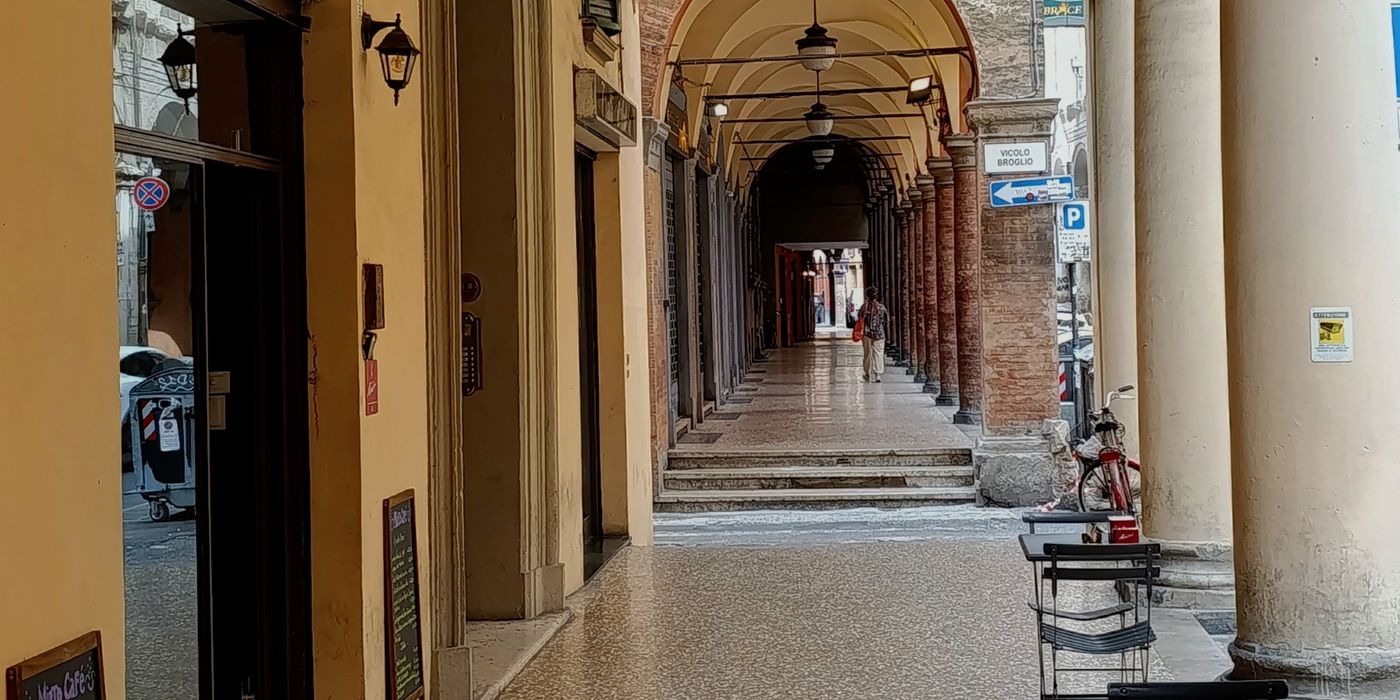
Bologna has 38 kilometres of covered porticoes in its historic centre. In October, when it rains for days at a time, that is not a piece of UNESCO trivia. It is the reason you can walk the entire city without an umbrella and still eat lunch outside.
Most people pass through Bologna on the way to Florence or Venice. Bologna Centrale is 37 minutes from Florence by high speed rail and about an hour from Milan, which makes it very easy to treat as a transit stop. That is a mistake, and it is also why hotel rates here sit well below the cities on either side of it.
Average hotel rates across Bologna run around $139 per night in 2026. Properties near Piazza Maggiore average roughly $128, about 8% below the citywide average, which is the opposite of how almost every other Italian city works. Four star properties push $250 to $300. Where you sleep changes the trip more than it changes the bill.
The short answer on where to stay in Bologna
Stay in the historic centre inside the old walls if this is your first visit. Specifically, the wedge between Piazza Maggiore and Piazza Santo Stefano puts you inside a ten minute walk of everything worth seeing and most of what is worth eating. Expect $120 to $180 for a solid mid-range double in 2026.
Pick a different neighbourhood only if you have a reason. Those reasons are below.
| Neighbourhood | 2026 mid-range rate | Best for |
|---|---|---|
| Historic Centre / Quadrilatero | $130 to $190 | First visits, food, walkability |
| Santo Stefano | $140 to $200 | Quiet evenings, architecture |
| University / Via Zamboni | $95 to $150 | Nightlife, cheap eating, solo travel |
| Bologna Centrale | $110 to $145 | Day trips, early trains, airport runs |
| Bolognina | $75 to $120 | Value, longer stays, locals |
Historic Centre and the Quadrilatero
The Quadrilatero is a grid of market streets a few steps east of Piazza Maggiore, and it has been a trading district since the Middle Ages. Via Pescherie Vecchie and Via Drapperie are lined with fishmongers, salumerie hanging mortadella the size of car tyres, and pasta shops where someone is rolling sfoglia in the window.
Staying here means you are 90 seconds from an aperitivo at any hour and about the same distance from a very loud Friday night. The trade off is real. The streets are narrow, the buildings are old, and sound carries. Ask for a courtyard facing room and it stops being a problem.
Rates here average around $128 near Piazza Maggiore, which is genuinely below the Bologna average. The reason is supply. Bologna has a large stock of business hotels built for trade fair traffic, and outside fair weeks that inventory has to be sold to somebody.
One planning note. The Two Towers, Asinelli and Garisenda, have had access restrictions in place during structural stabilisation work on Garisenda. Check the current status before you build a day around climbing Asinelli.

Santo Stefano, the quiet alternative
Piazza Santo Stefano is a sloping triangular square about eight minutes walk from Piazza Maggiore, facing a complex of interlinked churches known locally as the Sette Chiese. It is the prettiest square in the city and it is almost silent after nine in the evening.
This is where to stay if you found the Quadrilatero appealing on paper and exhausting in practice. Rooms run $140 to $200 for mid-range, slightly above the centre, and the surrounding streets have the best concentration of small independent restaurants in Bologna.
Via Santo Stefano itself runs southeast under continuous porticoes for well over a kilometre. On a wet October afternoon that walk is one of the more pleasant things you can do in northern Italy.
The university district around Via Zamboni
Bologna has the oldest university in the Western world, founded in 1088, and roughly 90,000 students live here during term. Via Zamboni is the spine of that world. Bookshops, record shops, bars that serve a decent glass of Pignoletto for four euros, and graffiti on buildings that predate most countries.
Rooms are cheaper here, $95 to $150 for mid-range, because the area is not aimed at tourists. If you are travelling solo or you want to eat well for under twenty euros, this is the answer. If you are a light sleeper and you arrive during term time, it is not.
The neighbourhood empties noticeably in August and refills hard in late September. Rates follow that curve, so late September and October are the most expensive weeks here while July and August are the cheapest.

Around Bologna Centrale
Bologna Centrale is one of the busiest rail junctions in Italy. Florence is 37 minutes away, Milan around an hour, Venice roughly an hour and a half, Rome about two hours and ten minutes. Marconi Airport connects to the station by the Marconi Express monorail in about seven minutes.
If your trip involves day trips to Modena, Parma, Ravenna or Ferrara, staying within five minutes of the station saves you a genuinely annoying amount of walking with luggage. Mid-range rooms run $110 to $145.
The area itself is functional rather than charming. It is a fifteen minute walk to Piazza Maggiore, which is fine, and the immediate blocks around the station are the least attractive part of central Bologna, which is also fine if you are only sleeping there.
Bolognina, if you are staying a while
Bolognina sits directly north of the station, on the other side of the tracks. It was built for railway workers, it has absorbed decades of immigration, and it is currently the neighbourhood where young Bolognesi actually move when they leave home.
Rooms and apartments here run $75 to $120, the cheapest in the city, and the food is correspondingly good and cheap. This is the right call for a week or longer, or if you want a trip where you are not surrounded by other visitors. It is the wrong call for two nights when you want to be walking distance from the towers.

What to eat, and what to stop asking for
There is no such thing as spaghetti bolognese in Bologna. The dish is tagliatelle al ragu, and the pasta shape is not negotiable because ragu needs a rough porous surface to cling to. Order it once on the first day so you stop wondering.
Beyond that, the list is short and worth working through. Tortellini in brodo, which is a winter dish and comes into its own from October onward. Mortadella, sliced thin, from any of the salumerie in the Quadrilatero. Gramigna alla salsiccia. Crescentine or tigelle with squacquerone cheese. Lambrusco with anything fatty, and Pignoletto with anything else.
Mercato delle Erbe on Via Ugo Bassi is a covered market with a row of food counters at the back. It is where to go when you want a proper meal without booking, which in Bologna is otherwise difficult on a weekend.
When to go
Late September through early November is the strongest window. Truffle season starts, the new wine arrives, the students are back so the city feels alive, and hotel rates sit below the summer peak. The cost is weather. Bologna in autumn is genuinely wet and the fog is famous. The porticoes solve most of that.
Avoid trade fair weeks if you can. Bologna hosts several large international fairs across the year, and during those weeks hotel rates in the centre can double while availability disappears. Check the Bologna Fiere calendar against your dates before you book anything.
July and August are the cheapest months and the least pleasant. It is hot, humid, and a meaningful share of the good restaurants close for the month.
Getting the rate down
Bologna rewards booking early for autumn and late for summer, which is the reverse of most Italian cities. Autumn is when the fairs and the university calendar collide. Summer is when the city empties and operators discount.
Booking through Best returns 10% cashback on the room rate. On four nights in the historic centre at $150 a night, that is $60 back, which in Bologna covers two dinners with wine.
Questions we get about Bologna
What is the best area to stay in Bologna for first time visitors? The historic centre between Piazza Maggiore and Piazza Santo Stefano. Everything worth seeing is within a ten minute walk and mid-range rooms run $130 to $190 per night in 2026.
How much does a hotel in Bologna cost? The citywide average is around $139 per night in 2026. Properties near Piazza Maggiore average about $128, four star hotels run $250 to $300, and Bolognina north of the station starts around $75.
Is Bologna worth staying in or just a day trip? Two nights minimum. Bologna is a food city, and food cities do not work as day trips because the good meals are lunch and dinner on separate days. It also works well as a base for Modena, Parma and Ravenna.
Is Bologna cheaper than Florence or Venice? Yes, noticeably. Bologna sits around $139 average nightly rate while comparable central accommodation in Florence and Venice runs materially higher, and Bologna is 37 minutes from Florence by high speed train.
When is the best time to visit Bologna? Late September to early November. Truffle season, new wine, full university term, and rates below the summer peak. Expect rain, and use the porticoes.
Images: Hero portico by Sean Paul Mac and Quadrilatero market by Peter Vercoelen, both via Pexels. Two Towers and Piazza Santo Stefano by Vanni Lazzari via Wikimedia Commons, CC BY-SA 4.0.