Where to Stay in Limon, Costa Rica. The Caribbean Coast Most Itineraries Skip
US searches for Limon Province are up 286 percent. A guide to Puerto Viejo, Cahuita, and Punta Uva, with real rates and the two months nobody books.
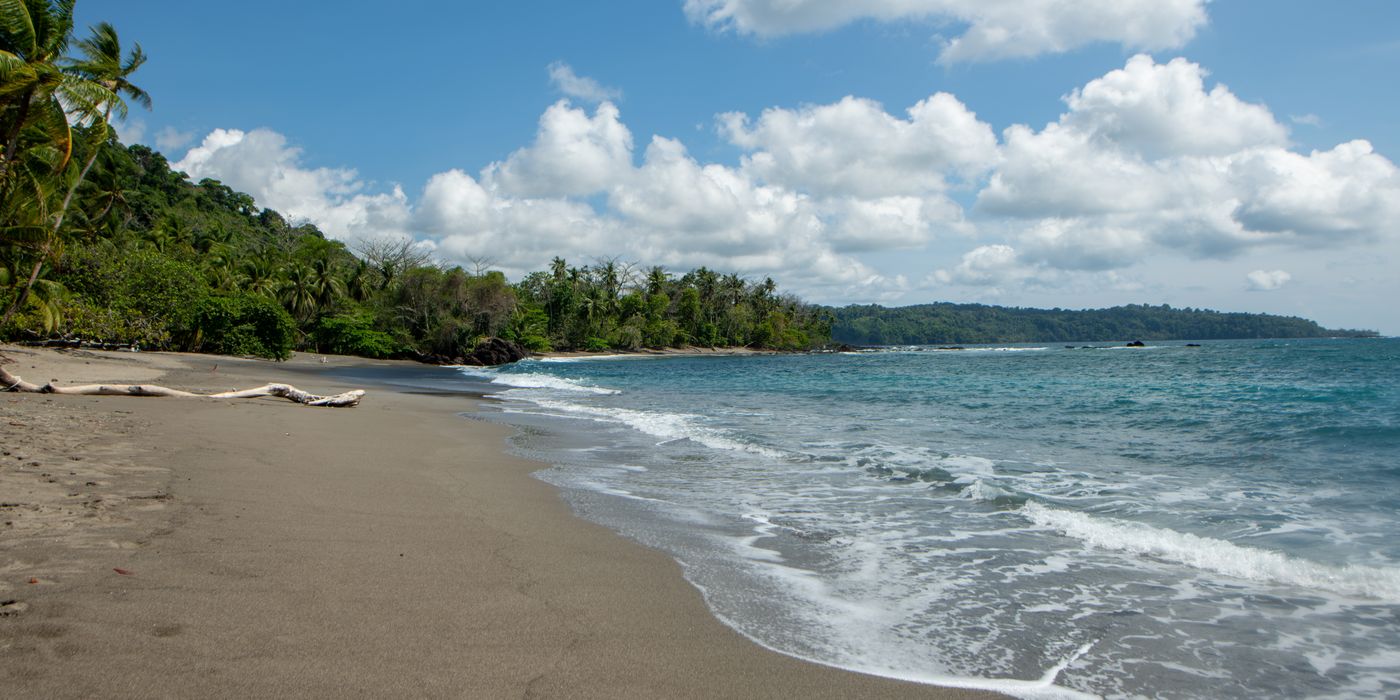
US searches for Limon Province, Costa Rica are up 286 percent year over year. That is the largest jump on Skyscanner list of trending destinations for 2026, and it is happening to a stretch of coast that most Costa Rica itineraries still skip entirely.
Almost everyone who flies into San Jose turns right. They go to Arenal, then Monteverde, then down the Pacific coast to Manuel Antonio or Tamarindo. The Caribbean side sits four hours east, and it is a genuinely different country. Different language, different food, different music, different prices.
We think it is the better half. Here is how to stay there.
What Limon actually is
Limon is the Caribbean province, running from Nicaragua down to the Panama border. Culturally it is Afro-Caribbean rather than Spanish colonial. English-based Creole is widely spoken alongside Spanish. The food is coconut rice and beans, jerk-spiced chicken, and patacones rather than the standard casado you get everywhere else in the country.
The tourist part of the province is a 40-kilometer strip south of Puerto Limon city, running through Cahuita, Puerto Viejo de Talamanca, Playa Cocles, Punta Uva, and ending at Manzanillo. That is the whole map. You can drive it end to end in about an hour, which is why the where-to-stay decision matters more here than the how-to-get-around one.
Hotel rates on this coast run roughly 30 to 40 percent below equivalent properties on the Pacific side. A well-reviewed boutique hotel with a pool that would be 240 dollars a night in Manuel Antonio is closer to 150 in Puerto Viejo.

Puerto Viejo de Talamanca, for first-timers
If this is your first trip to the Caribbean coast, stay in Puerto Viejo. It is the only place on the strip with real density. Restaurants, bars, dive shops, bakeries, bike rental, an ATM that works, and enough hotel inventory that you have options at every price point.
The trade is noise. Puerto Viejo has a nightlife scene, and the reggae bars on the main road run late on weekends. If you want silence, stay two kilometers out and bike in.
Where to look. The properties on Playa Negra, the black-sand beach just north of town, get you a five-minute walk to restaurants and a quiet night. Expect 90 to 170 dollars a night for a small hotel with a pool and breakfast. In town proper, guesthouses and cabinas run 45 to 90 dollars. The higher-end jungle lodges above town, set back in the hills with open-air rooms and howler monkeys as your alarm clock, run 180 to 300.
Eat at. Soda Lidia for casado at local prices. Bread and Chocolate for breakfast, which has a line by 8am for a reason. Koki Beach for a proper dinner with a view. And the Caribeans coffee and chocolate operation for the cacao tour, which is one of the few tourist activities on this coast that is genuinely worth the money.
Cahuita, for quiet and for the park
Cahuita is 15 kilometers north of Puerto Viejo and about forty years behind it in development, which most people mean as a compliment. One main street, a handful of restaurants, and the entrance to Cahuita National Park at the end of the road.
The park is the reason to base here. It is a coastal rainforest reserve with a flat seven-kilometer trail that runs along the beach, and it has the highest concentration of easily visible wildlife on this coast. Sloths, howler monkeys, capuchins, raccoons, and if you are lucky an eyelash viper coiled on a branch at eye level. The Kelly Creek entrance operates on a voluntary donation rather than a fixed fee.
Where to look. Cahuita accommodation is mostly small. Cabinas and guesthouses run 40 to 80 dollars a night. A few boutique properties with pools sit in the 110 to 180 range. There is nothing here above about 220 dollars, which tells you what kind of town it is.
The catch. Cahuita has maybe a dozen restaurants and they close early. If you want a choice of dinner at 9pm, this is the wrong base.

Punta Uva and Manzanillo, for the actual beaches
The best swimming beaches on this coast are south of Puerto Viejo, and the best of those is Punta Uva. Calm water, a reef that breaks the swell, palm shade to the waterline, and nowhere near the crowd you would expect from a beach this good.
Manzanillo, at the end of the road, is the last village before the Gandoca-Manzanillo wildlife refuge. It is nine kilometers from Puerto Viejo and it feels like ninety.
Where to look. This stretch is where the higher-end small hotels cluster. Beachfront boutique properties and villa-style rooms run 200 to 400 dollars a night. There are also good mid-range options in the 120 to 190 band set slightly back from the water. Very little budget inventory.
The catch. You need transport. There is a public bus and it is fine, but if you want to eat dinner in Puerto Viejo and get back at 10pm, budget for taxis or rent a car.
When to go
The Caribbean coast has its own weather system and it does not match the rest of Costa Rica. The Pacific side dry season runs December to April. On the Caribbean side, the two reliably dry windows are September and October, plus a shorter one from February into early March.
That is unusual and useful, because September and October are the wettest, cheapest, emptiest months everywhere else in the country. It is the one time of year you can have good weather on this coast and low-season pricing at the same time. Rates in September run 25 to 35 percent below the December peak.
Avoid late November and December if rain bothers you. Those are the wettest weeks here.
Getting there
From San Jose it is a 4 to 4.5 hour drive to Puerto Viejo on Route 32 through Braulio Carrillo National Park. The road is paved the whole way and fine in a normal car. You do not need four-wheel drive for anything on this coast unless you are staying up a jungle track.
Public buses run from San Jose to Puerto Viejo several times daily for about 12 dollars and take five hours. Shared shuttles cost 55 to 70 dollars and take four. There is a small airstrip at Limon but almost nobody uses it.
If you are already in La Fortuna or Arenal, the direct shuttle to Puerto Viejo takes about six hours and skips San Jose.

What to budget
A week on this coast for two people, staying in mid-range hotels at around 140 dollars a night, eating a mix of sodas and proper restaurants, renting bikes, and doing two paid activities, lands around 2,400 dollars excluding flights. The same week on the Pacific side runs closer to 3,400.
Booking the hotel portion through Best returns 10 percent of the room rate. On a 980 dollar week of accommodation that is 98 dollars back, which covers the cacao tour and most of your dinners.
Common questions
Is Limon Province safe for tourists?
The tourist strip from Cahuita to Manzanillo is generally safe and heavily traveled. Standard precautions apply. Do not leave anything in a parked car, do not walk unlit beaches alone at night, and use registered taxis after dark. Puerto Limon city itself is a working port and most visitors have no reason to spend time there.
How many days do you need on the Caribbean coast?
Four nights is the minimum that justifies the drive from San Jose. Five to seven is the sweet spot. It gives you a day for Cahuita National Park, a day for the southern beaches, a day for the Bribri indigenous territory or the Jaguar Rescue Center, and two days of doing nothing.
Is the Caribbean side cheaper than the Pacific side?
Yes, consistently. Hotel rates run 30 to 40 percent lower for comparable quality, and restaurant prices are roughly 25 percent lower. The gap is widest in the mid-range and narrowest at the luxury end.
Do you need to speak Spanish?
Less than anywhere else in Costa Rica. English is widely spoken along the tourist strip, partly because of the Creole-speaking population and partly because of decades of backpacker tourism. Spanish helps in Cahuita and inland.
The short version
Stay in Puerto Viejo if it is your first time, Cahuita if you want quiet and wildlife, and Punta Uva if the beach is the point. Go in September or October when the weather here is good and the rest of the country is underwater. Budget about two thirds of what the Pacific side would cost.
If you are booking hotels on this coast, Best returns 10 percent of the room rate as cashback at best.so. On a coast where a great room is already 150 dollars, that is a meaningful discount on an already cheap week.
Images: Hero and coastline via Pexels. Playa Negra via Pexels. Sloth via Pixabay. All used under license.