Where to Stay in Porto in 2026: Neighborhoods, Real Prices, and When to Go
An honest guide to Porto's neighborhoods for 2026, from Ribeira to Cedofeita to Gaia, with real hotel prices and the best time to visit.

Most first-time visitors to Porto book a room in Ribeira, step out the door into that postcard view of the Douro, and pay for it in cobblestones and noise. It is a gorgeous place to stay. It is also the loudest, steepest, and priciest corner of the city. Where you sleep in Porto shapes the whole trip more than in most cities, because the neighborhoods here feel genuinely different from one another.
We spend a lot of time looking at hotel pricing, so here is an honest breakdown of Porto's main areas, what a room actually costs in each, and who each one suits.
Ribeira, the view and the premium
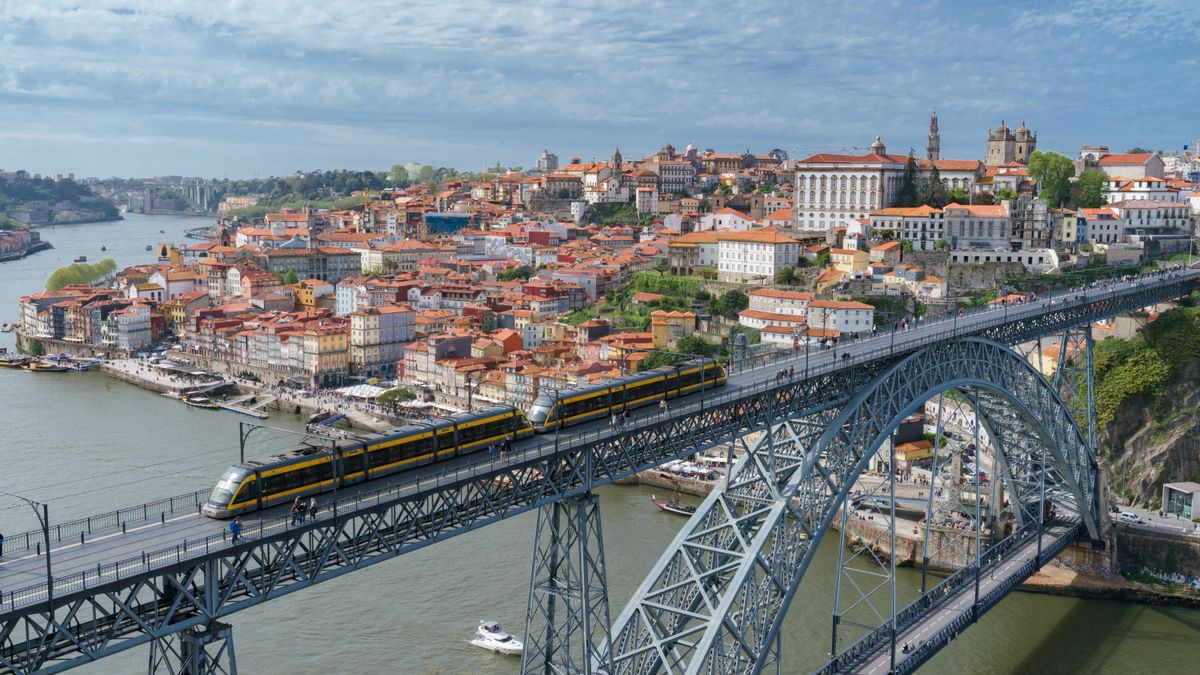
Ribeira is the medieval riverfront, a UNESCO World Heritage site of tiled facades stacked up the hillside above the water, with the iron Ponte Luís I arcing across to Gaia. Staying here means the iconic view is your front door instead of a walk.
The trade-offs are real. The streets are steep, cobbled, and often stepped, so wheeling a suitcase is a workout. Restaurant prices along the Cais da Ribeira run 20 to 30 percent higher than a few streets inland, and the promenade stays lively past midnight.
On price, expect roughly 100 to 150 euros a night for mid-range guesthouses, 150 to 250 for boutique hotels with river views, and 300 and up for the handful of five-star properties right on the quay. If the view is the whole point of your trip, it can be worth it. If you plan to be out exploring all day, you are paying a premium for a room you will barely use.

Cedofeita, the local favorite
If we had to pick one neighborhood for most travelers, it would be Cedofeita. It sits just west of the center and feels residential and creative rather than touristy. This is Porto's art district, home to the galleries along Rua Miguel Bombarda and a steady run of independent cafes and shops.
The location is the sweet spot. You are close enough to walk to the main sights and the nightlife, but far enough to actually sleep. It works well for families, and it is quietly romantic for couples who want character without the crush.
Prices are noticeably gentler. Three-star hotels in Cedofeita and the adjacent downtown run about 85 to 130 euros a night, and boutique four-star properties sit around 130 to 200. You get more room and more neighborhood for your money than down on the river.
Baixa and the downtown core
Baixa is Porto's central downtown, wrapped around Avenida dos Aliados and the São Bento train station with its famous tiled hall. Stay here and almost everything is walkable, from the Lello bookshop to the Clérigos tower to the shopping streets.
It is practical more than charming. Some blocks feel more commercial than atmospheric, and a few streets get noisy on weekend nights. But for a first visit where you want to cover a lot on foot, the central location earns its keep. Pricing tracks close to Cedofeita, with mid-range rooms in the 90 to 140 euro range.
Vila Nova de Gaia, across the river
Technically its own city, Gaia sits on the south bank directly across from Ribeira, and it is where the port wine cellars live. Names like Sandeman and Graham's run tours and tastings here, and the flat-bottomed rabelo boats moored along the water are a Porto icon.
The case for Gaia is the view. From this side you look back at the full sweep of Ribeira climbing the opposite hill, which is arguably the better photograph. Rooms with that view can climb toward 200 to 350 euros at the upscale end, but step a block back from the water and Gaia has solid mid-range options that undercut Ribeira for a similar walk to the bridge.

Bonfim, the value pick
Bonfim, east of the center, is the neighborhood locals point to when they talk about where Porto is heading. It is residential, increasingly full of good food and wine bars, and it has the lowest room rates of any central-ish area. Budget guesthouses and private hostel rooms across Porto start around 55 to 75 euros a night, and Bonfim is where a lot of those live.
You trade a slightly longer walk or a short tram ride to the river for real savings and a more lived-in feel. For a longer stay, it is often the smartest base in the city.
When to go, and what it does to prices
Porto rates peak from June through September and again around New Year. If you can shift your trip to the shoulder months, March through May or October, rooms typically run 20 to 25 percent cheaper and the weather is still good for walking the hills and the river.
October is our favorite window. The summer crowds thin out, the light turns golden over the Douro, and the harvest season gives the Gaia cellars extra energy. You get the city closer to how it feels for the people who live there.
Getting the price down wherever you stay
Whichever neighborhood you choose, the biggest lever is timing. Book a few weeks out for the shoulder season, be flexible on exact dates, and compare a river-view splurge against a Cedofeita or Bonfim room that costs half as much for a five minute longer walk.
If you are booking a Porto hotel, Best gives you 10 percent cashback on the stay. On a 500 euro long weekend, that is 50 euros back, which covers a very good dinner and a bottle of port. Worth checking before you lock anything in.
Common questions about where to stay in Porto
What is the best neighborhood to stay in Porto for the first time?
For a first visit, Cedofeita or the downtown Baixa core give you the best balance. You are walkable to the main sights, prices are reasonable at 85 to 140 euros for mid-range rooms, and you can still sleep at night.
Is it worth staying in Ribeira?
Only if the riverfront view is the point of your trip. It is the most scenic area but also the priciest, loudest, and steepest, with boutique river-view rooms at 150 to 250 euros a night.
How much does a hotel in Porto cost?
Budget guesthouses start around 55 to 75 euros a night, mid-range three-star hotels run 85 to 130, boutique four-star properties 130 to 200, and riverfront upscale rooms 200 to 350. Shoulder season trims all of it by 20 to 25 percent.
Should I stay in Porto or Gaia?
Stay in Gaia if you want the panoramic view back across the river and easy access to the port wine cellars. Stay on the Porto side if you want to be closer to the restaurants, shops, and sights on foot.
Images: Hero of Cais da Ribeira by Krzysztof Golik. Ponte Luis I by Diego Delso. Rabelo boats in Gaia by Diego Delso. All via Wikimedia Commons, used under Creative Commons licenses. Central Porto rooftops via Pexels.



