Where to Stay in Seoul: A 2026 Neighborhood Guide
Myeongdong, Jongno, Hongdae, Gangnam or Itaewon. Real 2026 hotel prices and honest picks for where to stay in Seoul on any budget.

Seoul is having the value moment Tokyo had two years ago. The won has stayed weak against the dollar, hotel supply keeps growing, and a city of ten million offers more four-star rooms under $150 than almost any capital in Asia. The catch is that Seoul is enormous, and the neighborhood you pick shapes the entire trip.
This guide works the same way as our Tokyo and Madrid guides. Real 2026 prices, honest trade-offs, and a clear answer for each kind of traveler.
Myeongdong, for first timers who want everything at their door
Myeongdong is Seoul's compressed downtown. Street food stalls from 5pm, skincare shops stacked three floors high, and two subway lines that reach most of the city in under 30 minutes. Airport buses stop here, which matters more than it sounds after a 14 hour flight.
A solid mid-range room runs $90 to $140 a night in 2026, and the competition is so dense that quality per dollar is high. The trade-off is charm. Myeongdong is bright, loud, and built for commerce. You stay here for logistics, not atmosphere.

Jongno and Insadong, for palaces and hanok stays
Jongno is the historical heart. Gyeongbokgung and Changdeokgung palaces sit here, Bukchon's hanok village climbs the hill between them, and Insadong's tea houses and galleries fill the streets to the south. Mornings feel different in this part of Seoul. Quieter, older, more deliberate.
Two ways to stay. Standard hotels run $80 to $130. A restored hanok guesthouse, sleeping on a heated floor around a private courtyard, runs $120 to $250 and books out weeks ahead for autumn. If you want the hanok experience, reserve early. October is peak season for a reason. The ginkgo trees along the palace walls turn gold and the whole district glows.

Hongdae, for nightlife and a younger crowd
Hongdae is the university quarter turned all-night district. Live music spills out of basements, street performers own the main drag until midnight, and the cafes are some of the most inventive in Asia. The airport express train stops at Hongik University station, so arrival is easy.
Rooms are the cheapest of any district in this guide, $60 to $110 for something clean and modern. The obvious warning applies. Friday and Saturday nights are loud until 4am near the main streets. Ask for an upper floor away from the club block, or stay 10 minutes toward Yeonnam-dong where the noise fades into residential calm.

Gangnam, for luxury and business travel
South of the river, Gangnam is glass towers, COEX convention halls, and most of Seoul's five-star inventory. Full-service luxury runs $220 to $400 a night in 2026, which undercuts equivalent rooms in Tokyo or Singapore by 25 to 40 percent. Service standards are exacting, spas are serious, and the subway connects you to the historic center in about 25 minutes.
Leisure travelers should think twice. Gangnam is a business district first. It is polished rather than picturesque, and you will commute to nearly every major sight.
Itaewon and Yongsan, for food and river parks
Itaewon has reinvented itself as Seoul's most interesting food neighborhood, with the bars and restaurants of Hannam-dong drawing locals back across the city. Yongsan below it is quieter, greener, and sits beside the Han River parks. Mid-range rooms run $85 to $140, and the boutique options here have more personality than anywhere except Jongno's hanoks.
How to choose, and what to know before booking
First visit of three to five nights, stay in Myeongdong or Jongno. Palace mornings and hanok streets, pick Jongno. Nightlife and budget, Hongdae. Luxury or a conference, Gangnam. Food-first trip, Itaewon.
Getting in from Incheon airport is simple from any of these. The AREX express train reaches Seoul Station in 43 minutes for about $8, and airport limousine buses stop at every district above for $12 to $14.
Timing matters more than district for price. Late October through early November is the beautiful, busy, expensive window. Rates drop 15 to 30 percent in late November and stay low through February, a pattern that mirrors what we found across the region in our shoulder season guide.
Whichever neighborhood you land on, booking through Best returns 10 percent of the room rate as cashback. Four nights in Jongno at $120 puts $48 back in your pocket. Details at best.so.
The practical details that surprise first-timers
A few things about Seoul hotels work differently than travelers expect, and knowing them in advance saves both money and confusion.
The listed price is usually the real price. Korea's 10 percent VAT is baked into most quoted rates, and the tipping culture is simple. There is none. Nobody expects it, and some staff will politely refuse it. Compared with a US stay where taxes and tips add 25 to 30 percent to the bill, a $120 Seoul room really costs about $120.
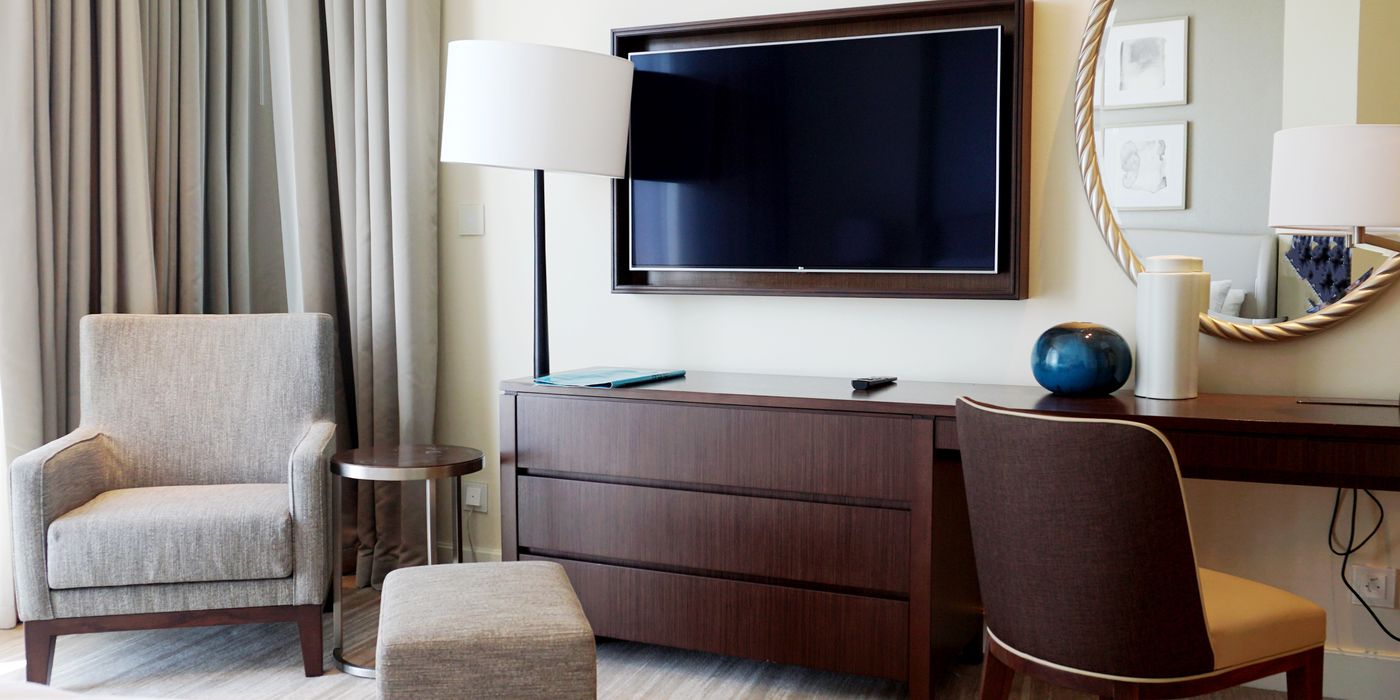
Rooms run small by Western standards, especially in older Myeongdong and Jongno properties. If square footage matters, filter for hotels built after 2015 or look at the newer towers around Yongsan and Gangnam. Twin rooms with two narrow beds are common, so couples should confirm a double bed rather than assume one.
Ondol matters in winter. Korean buildings heat through the floor, and many hotels, not just hanoks, use it. It is glorious in January and worth asking about, because a heated floor changes what a cold-season trip feels like.
Book 3 to 6 weeks out for normal dates. Seoul's hotel supply is deep enough that panic-booking months ahead rarely pays, with two exceptions. The late October foliage window around the palaces, and any weekend when a major K-pop act plays Jamsil or Goyang. Those dates sell the city out, and a concert schedule check before picking dates is a genuinely useful habit.
Finally, the subway is the reason neighborhood choice is forgiving. A T-money card costs about $2 at any convenience store, rides run about a dollar, and trains run past midnight. Even if you pick the wrong district for your trip, you are 25 minutes from the right one.
One last note on location strategy. If your trip splits between palace mornings and Gangnam evenings, resist the urge to move hotels midway. The subway makes a single base workable for both, and checkout-day luggage logistics eat more time than the trains ever will.
Questions we get about Seoul hotels
What is the best area to stay in Seoul for first-time visitors? Myeongdong for convenience or Jongno for character. Both are central, connected to the airport, and full of mid-range hotels between $80 and $140 a night in 2026.
How much does a hotel in Seoul cost in 2026? Budget rooms start around $50 in Hongdae. Mid-range hotels average $80 to $140 across central districts. Five-star hotels in Gangnam and around City Hall run $220 to $400, well below Tokyo equivalents.
Is it worth staying in a hanok in Seoul? For one or two nights, yes. Restored hanok guesthouses in Bukchon and Seochon run $120 to $250 a night and offer something no tower hotel can. Book several weeks ahead for October and November.
When is the cheapest time to visit Seoul? Late November through February. Rates fall 15 to 30 percent from autumn peaks, and the city's indoor culture of spas, markets, and restaurants makes winter workable.
Images: Hero by Minku Kang. Myeongdong street by Chinh Le Duc. Hongdae backstreet by Y K. All via Unsplash, used under license. Gyeongbokgung Palace by Richard Fisher via Wikimedia Commons, CC BY 2.0.