Where to Stay in Madrid: A 2026 Neighborhood Guide
A neighborhood-by-neighborhood guide to where to stay in Madrid in 2026, with real prices, honest trade-offs, and the barrios that give you the most for your money.
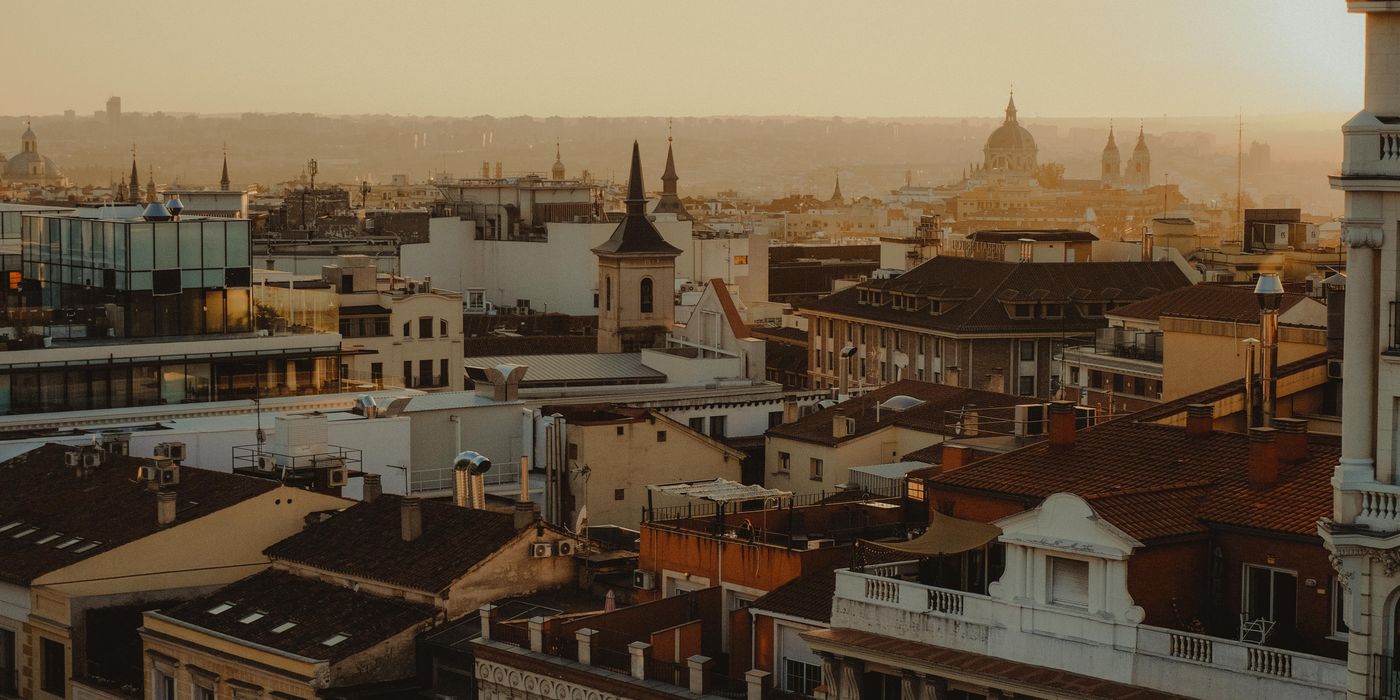
Everyone books Barcelona. Madrid sits three hours inland with better food, cheaper hotels, and a fraction of the cruise-ship crowds, and most first-timers skip it. That is their loss and your opening.
Knowing where to stay in Madrid matters more than in most European capitals, because the city is larger than it looks and every barrio keeps its own rhythm. Pick the wrong one and you spend the trip underground on the metro. Pick the right one and Madrid opens up on foot. Here is how we would choose, neighborhood by neighborhood, with real 2026 prices and honest notes on what you give up in each.
One timing note first. Autumn is the smart window. September and October run warm and dry, the August heat finally breaks, and rates fall off the summer peak. We have watched mid-range doubles that touched 180 euros in July settle back near 110 euros by mid-October.
Centro and Sol, for first-timers who want everything close
If this is your first trip and you have two or three nights, stay in Centro near Sol or Opera. You wake up walking distance from Plaza Mayor, the Royal Palace, and the Prado, and you never need to plan around transit. Mid-range doubles run about 100 to 160 euros a night in shoulder season.
The trade-off is noise and food that is priced for tourists. Book a room facing an interior courtyard rather than the street, and walk five minutes off the main plazas before you sit down to eat. The prices drop and the cooking improves the moment you leave the postcard zone.

Malasana and Conde Duque, for creative energy and late nights
Malasana is where Madrid keeps its record shops, vintage stores, and the bars that fill up at midnight. It is central, walkable, and cheaper than the tourist core, with doubles around 90 to 150 euros. Stay here if you want the city to feel young and a little scruffy in the good way.
If you sleep lightly, the same nightlife that makes Malasana fun will keep you up on weekends. Conde Duque, just west, gives you the same creative streak with quieter nights.
La Latina, for tapas and slow Sunday mornings
La Latina is the tapas heart of the city. Cava Baja is one long row of bars, and on Sunday the El Rastro flea market spills through the whole neighborhood. It is medieval and walkable, and prices sit around 95 to 155 euros for a mid-range double.
Weekends get loud and crowded, so this suits travelers who want to be in the middle of it rather than anyone chasing calm.
Salamanca, for quiet elegance and shopping
Salamanca is Madrid at its most polished. Wide grid streets, designer flagships along Calle Serrano, and a calm the center never has. Expect to pay for it, with doubles from roughly 140 to 240 euros. Choose Salamanca if you want space, quiet, and a short walk to Retiro park, and you do not mind that the nightlife stays tame.

Retiro and Jeronimos, for green space and museums
Right beside Retiro park and steps from the Prado, this pocket is leafy, calm, and ideal for a slower trip or a family. You trade some nightlife and restaurant density for morning runs in the park and a five-minute walk to the best museums in the country. Doubles run about 120 to 200 euros.
Chamberi, for living like a local
Chamberi is our value pick. It is residential, full of very good neighborhood restaurants, barely touristed, and still two metro stops from the center. Doubles often land between 80 and 130 euros, and you get a truer sense of how Madrilenos actually live. If you want Madrid without the markup, start here.
Lavapies, for budget and a mix of everything
Lavapies is the cheapest central neighborhood and the most diverse, with Indian, Senegalese, and Spanish kitchens on one block. Doubles can dip to 70 to 110 euros. A few streets feel rough at the edges, but it is lively and safe with the usual city awareness.
Getting around and the airport
Madrid runs one of the best metros in Europe. It is cheap, clean, and fast, and a single ride costs about 1.50 to 2 euros. Barajas airport reaches the center in roughly 20 to 30 minutes by metro or the airport express bus, so you are never far from your room no matter which barrio you pick.
Booking smart in Madrid
The biggest lever on your Madrid budget is timing. Aim for late September through November, or January and February outside the holidays, and the same room can cost a third less than it does in summer. For the fuller pattern, our guide to the 8 to 14 day booking window shows where the savings actually sit.
When you book, run the room through Best. That 130 euro Chamberi double comes with 13 euros back in cashback, and across a week in Madrid that covers a couple of very good tapas dinners. If you are pairing Madrid with the south, our guides to where to stay in Seville and where to stay in Valencia work the same way. And before you go, check what Spain charges in 2026 tourist taxes so nothing on the final bill catches you off guard.
How many nights, and what to eat
Three nights is enough to see central Madrid without rushing. Four or five lets you add a day trip to Toledo or Segovia, both under an hour by train, and still leave time to sit in a plaza doing nothing, which is the correct way to spend an afternoon here.
Eat where the neighborhood points you. In La Latina, graze the tapas bars along Cava Baja and order whatever the counter is proud of that day. In Chamberi and Malasana, look for the small, full dining rooms with a short handwritten menu, because a short menu usually means the kitchen cooks what is fresh. Salamanca does polished sit-down dining, and the market halls away from the tourist-packed Mercado de San Miguel are where locals actually eat.
Book dinner late. Madrid does not fill its restaurants until nine or later, and turning up at seven marks you as a visitor and often lands you an empty room and a distracted kitchen. Lean into the rhythm instead. A long lunch, a late dinner, and a slow walk in between is the pattern the whole city runs on, and it is a big part of why a few days here feels longer than it is.
Frequently asked questions
Which Madrid neighborhood is best for first-time visitors? Centro, around Sol or Opera. You stay within walking distance of the major sights and the metro, which matters most on a short first trip.
Is Madrid cheaper than Barcelona? Usually yes. Hotel rates in Madrid tend to run 10 to 20 percent below comparable Barcelona properties, and food away from the tourist plazas is noticeably cheaper.
When is the cheapest time to visit Madrid? November through February, holidays aside, brings the lowest rates. For the best mix of low prices and good weather, aim for late September and October.
Is Lavapies a safe area to stay? Yes. It is a lively, diverse neighborhood that draws plenty of visitors. Use normal city awareness at night and you will be fine, and you will eat very well for very little.
Images via Pexels and Pixabay, used under license.



