Where to Stay in Seville: A 2026 Neighborhood Guide
The best Seville neighborhoods for 2026, from Santa Cruz to Triana, with real fall prices and who each area actually suits.
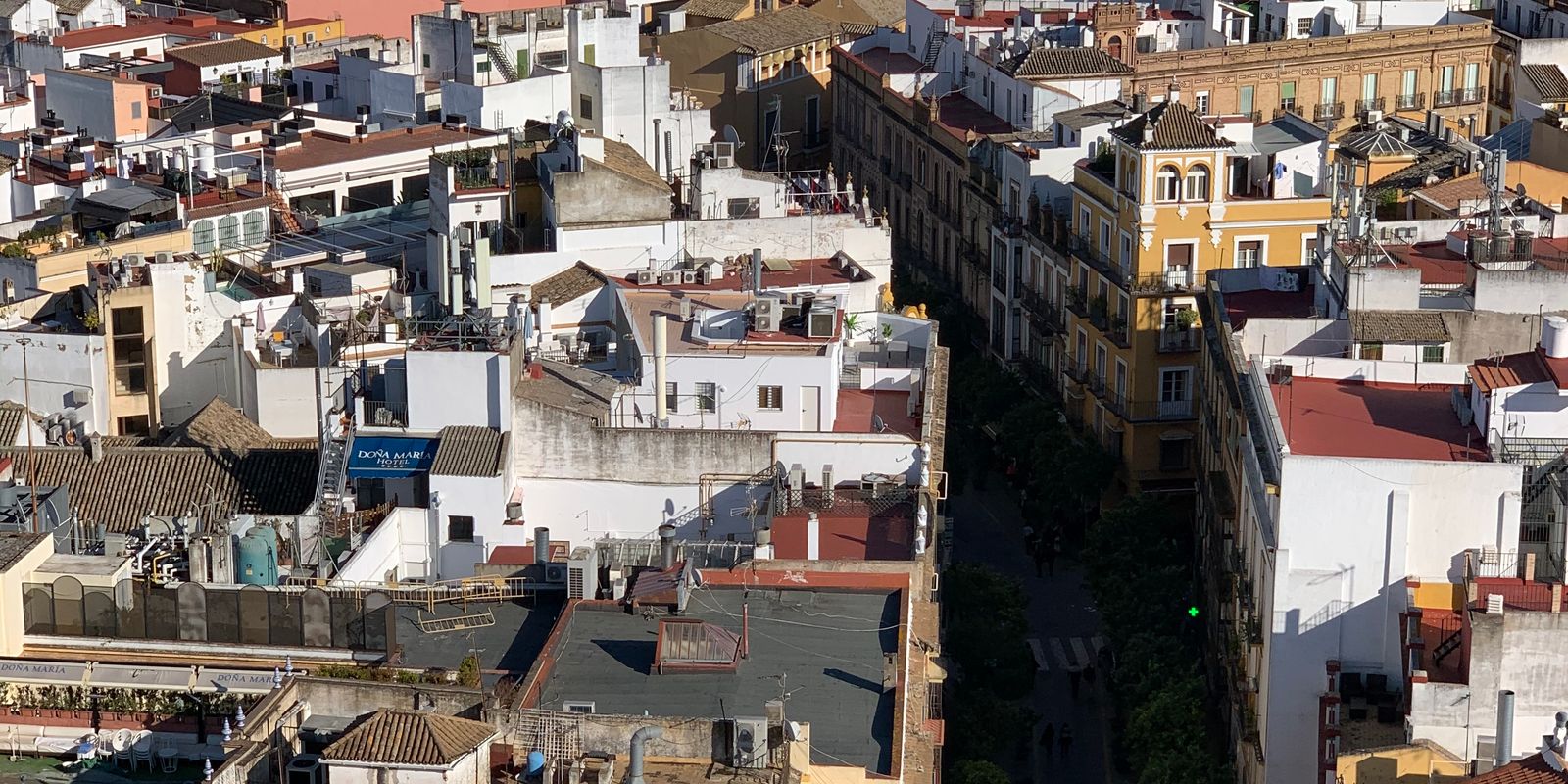
Most people book Seville for spring and get a sweaty, crowded April. The city knows a secret the guidebooks bury. Early fall is the better trip. September still runs warm, into the low 30s Celsius some afternoons, but the crowds thin out and room rates soften once the summer peak breaks. October is the sweet spot, high 20s by day and comfortable at night, with the orange trees still green and the tapas bars back to full swing after the August lull.
So the question is not when. It is where. Seville is compact, and the neighborhood you pick decides whether you spend your mornings walking to the Cathedral or waiting on a bus. Here is how the areas actually break down, what each one costs in 2026, and who each one suits.
The quick answer
For a first visit, stay in Santa Cruz or right beside it. You want to be inside the old center, within a ten minute walk of the Cathedral and the Real Alcázar. If those areas price you out, cross the river to Triana or head north to the Alameda. Both keep you close and cost noticeably less. Business travelers and anyone chasing the lowest rate should look at Nervión.
Santa Cruz, the postcard center
Santa Cruz is the old Jewish quarter, a knot of narrow lanes wrapped around the Cathedral and the Alcázar. This is the Seville on the postcards. Whitewashed walls, tiled courtyards, and streets so tight the buildings almost touch overhead. Stay here and you step out of your hotel into the best of the city.
It is also the most expensive area, and the most touristy. In fall, a decent three star runs about 90 to 130 euros a night, and four star places like Hotel Murillo, with its Andalusian tiling and rooftop terrace, sit closer to 140 to 200. The Querencia de Sevilla, a Marriott Autograph Collection property with a rooftop pool, tends to run higher again.
Two honest warnings. The lanes are a maze, so drop a pin on your hotel before you arrive. And the rooms in the oldest buildings are small, because there is only so much you can do with a 400 year old floor plan.
El Arenal, river-adjacent and better value
El Arenal sits between Santa Cruz and the river, around the bullring. You are still a short flat walk from the Cathedral, but rates drop off compared with the tourist core. Fall prices here land around 80 to 120 euros for a solid three star, and you trade a little atmosphere for a little more space and a quieter night.
This is a smart pick if you want the center without paying center prices. It is also handy for the river, which matters more than you would think once the evenings warm up and everyone drifts toward the water.

Alfalfa and Encarnación, central and lively
North of the Cathedral, around the Metropol Parasol, the city gets younger and louder in a good way. Alfalfa is dense with tapas bars that locals actually use. Encarnación, under the giant wooden Parasol locals call Las Setas, has a market, a rooftop walkway, and a steady evening buzz.
Rates sit close to El Arenal, roughly 85 to 130 euros for mid range rooms in fall. You are five to ten minutes on foot from the main sights and right on top of the nightlife. If you plan to eat and drink your way through the city, this is the base that keeps you closest to the action without the Santa Cruz markup.

Triana, across the river
Cross the Puente de Triana and the mood changes. Triana is the old working class quarter, home to the city's ceramic workshops and a fierce flamenco tradition. It feels lived in rather than curated, and the tapas run cheaper and often better than anything back across the water.
You give up a five minute walk to the Cathedral, maybe fifteen instead. In return, fall rates dip to around 70 to 110 euros, and places like the Hotel Ribera de Triana put you right on the Guadalquivir with a rooftop pool and river views. For travelers who want character and value over a central postcode, Triana is the pick we recommend most often.

Alameda and Macarena, cheaper and younger
North again, the Alameda de Hércules is Seville's bohemian heart. Bars spill onto a long plaza, the crowd skews young, and the prices reflect it. Budget rooms and guesthouses here start around 55 to 85 euros in fall, and the hostel scene is strong if you are counting every euro.
The trade is distance and noise. You are a 15 to 20 minute walk from the Cathedral, and the Alameda stays up late. Great if you are here to go out. Less great if you want to be asleep by eleven.
Nervión, quiet and the best rates
Nervión is the modern business district east of the center, built around the Sevilla FC stadium and a big shopping mall. It is not pretty and it is not where you came to be. But it is where the rates are lowest, often 20 to 30 percent under the old town for the same star level, and the metro and trams make the ten minute hop into town easy.
Stay here if price is the priority and you do not mind commuting to the charm. For a long stay or a work trip, the math often wins.
What you will actually pay in fall 2026
Here is the rough shape of nightly rates by area for a mid range double in September and October, before any tourist tax. Seville charges no city tourist tax as of 2026, which sets it apart from Barcelona and much of Italy, so the rate you see is close to the rate you pay.
Santa Cruz runs 90 to 200 euros depending on stars. El Arenal and Alfalfa land 80 to 130. Triana sits 70 to 110. The Alameda and Macarena start near 55. Nervión undercuts them all. Book a few weeks out and you will usually catch the lower end of each band, since fall demand is softer than spring.
A note on timing
If you can choose, aim for the last week of September through the third week of October. The heat has broken, the light turns gold in the afternoons, and the crowds that clog the Alcázar in April are mostly gone. Late October brings a chance of rain, so pack for a shower or two. For more on why fall travel keeps beating peak season on both weather and price, see our guide on why cooler-season trips are redrawing the travel map.
Wherever you land, book the room the same way you would anywhere. Compare across the neighborhoods, watch the total price rather than the headline rate, and lock in early check-in if your flight lands before noon. Our walkthrough on getting an early check-in at any hotel covers the method that works almost every time.
One more thing on price. Booking a Seville hotel through Best returns 10 percent of the room cost as cashback. On a four night stay in Santa Cruz at 130 euros a night, that is about 52 euros back, roughly a long tapas dinner for two in Triana. It stacks on top of whatever rate you find.
Common questions
What is the best area to stay in Seville for first-time visitors? Santa Cruz or the streets just north of it around Alfalfa. Both keep you within a ten minute walk of the Cathedral and the Real Alcázar, which is where you will spend most of your time.
Is Triana a good place to stay? Yes, especially for value and atmosphere. It is across the river but only a short bridge walk from the center, and fall rates run roughly 70 to 110 euros a night, below the old town for similar quality.
Does Seville charge a tourist tax? No. As of 2026 Seville has no city tourist tax, unlike Barcelona, Venice, or Amsterdam. The nightly rate you book is close to what you actually pay, plus standard VAT.
When is the cheapest time to visit Seville? Winter, roughly November through February, is cheapest, but early fall gives the best balance of low crowds, mild weather, and softer rates than spring.
Images: Hero aerial view of Seville via Pexels. Plaza de Espana via Pexels. Metropol Parasol by Gzzz, CC BY-SA 4.0. Triana and the Guadalquivir by Jose Luiz, CC BY-SA 3.0. Both via Wikimedia Commons.