Where to Stay in Tokyo in 2026. A Neighborhood Guide With Real Prices
Shinjuku, Shibuya, Asakusa, Ueno, or Ikebukuro. An honest Tokyo neighborhood guide for 2026 with real hotel prices and what the weak yen changes.
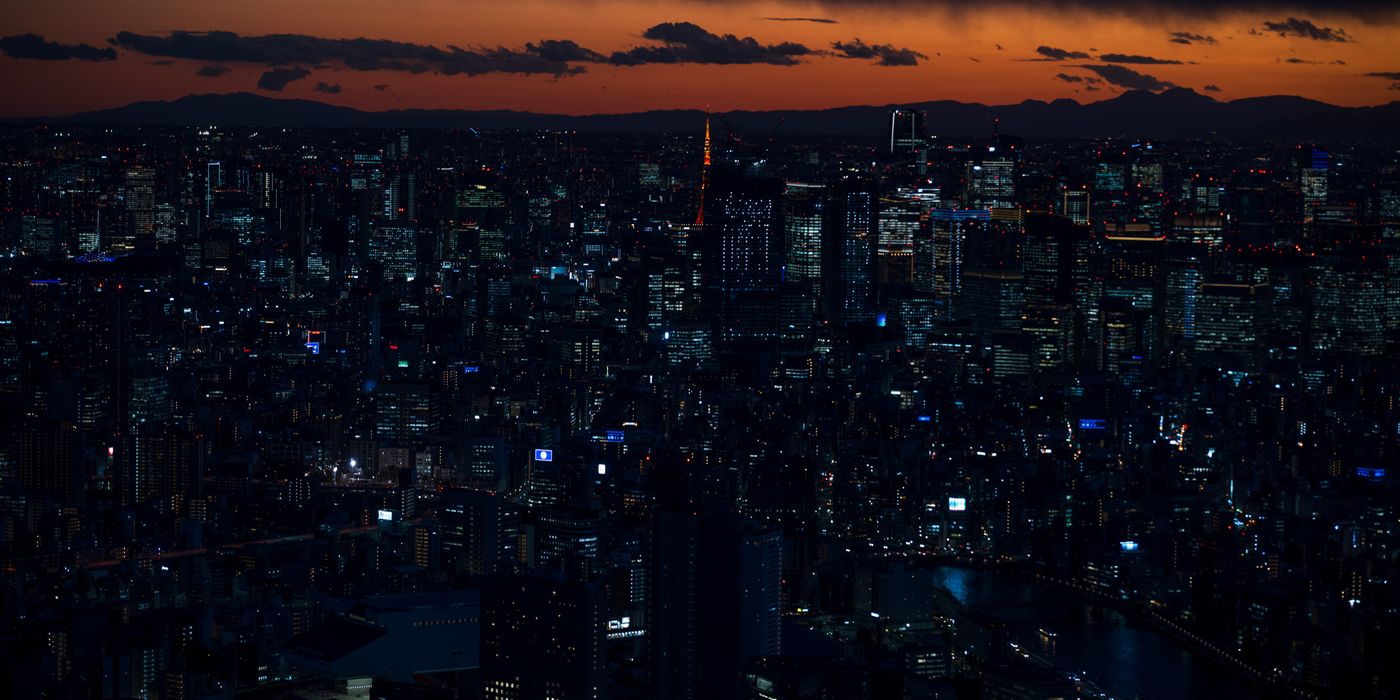
The yen is still weak, and Tokyo is still the best big-city hotel value in the developed world. A room that runs $80 a night in Tokyo would cost $150 to $200 in New York, London, or Paris. Compared with the years when the yen sat near 110 to the dollar, the same trip costs a Western visitor 30 to 40 percent less on the ground. That window will not stay open forever.
Where to stay in Tokyo in 2026 comes down to a simple trade. Pay for location in Shinjuku or Shibuya, or pay less in Asakusa, Ueno, or Ikebukuro and ride one of the world's best transit systems. This guide walks through the real numbers for each.
What the weak yen means for your hotel budget
A mid-range hotel in central Tokyo costs between 10,000 and 20,000 yen per night in 2026, which works out to roughly $67 to $133. Business hotels, the compact and spotless Japanese chains like Tokyu Stay and Mitsui Garden, sit at the lower end of that range. International brands charge two to three times more for the same location.
Budget travelers do even better. A hostel dorm bed in a decent central location runs 3,500 to 6,000 yen per night, about $23 to $40. At the other end, Tokyo's luxury hotels start around 100,000 yen and climb fast.
The practical takeaway is that Tokyo rewards booking the Japanese chains. You give up a few square feet of floor space and gain a location that would be unaffordable anywhere else at these prices.
Shinjuku. The default for a reason
Shinjuku is the single most popular base for first-time visitors, and it earns that. Shinjuku Station is the busiest railway hub in the world, which means nearly every day trip starts and ends at your doorstep. The neighborhood packs the quiet paths of Shinjuku Gyoen, the neon of Kabukicho, the tiny bars of Golden Gai, and the yakitori alleys of Omoide Yokocho into one walkable area.
Expect to pay for it. Shinjuku sits with Ginza and Marunouchi among the most expensive districts in the city. A well-located business hotel here runs 18,000 to 25,000 yen in regular season. If you want one splurge on location, this is the place to spend it.

Shibuya. Walkable energy, higher rates
Shibuya works well if your Tokyo is more shopping, food, and nightlife than temples and museums. The area around the scramble crossing has rebuilt itself over the past decade with new towers, rooftop bars, and direct rail lines to almost everywhere. Hotels here price close to Shinjuku levels, and the newer properties near Shibuya Stream and Miyashita Park fill up first.
One honest note. Shibuya at night is loud. Light sleepers should look at the quieter blocks toward Daikanyama or book a higher floor.
Asakusa and Ueno. The value play
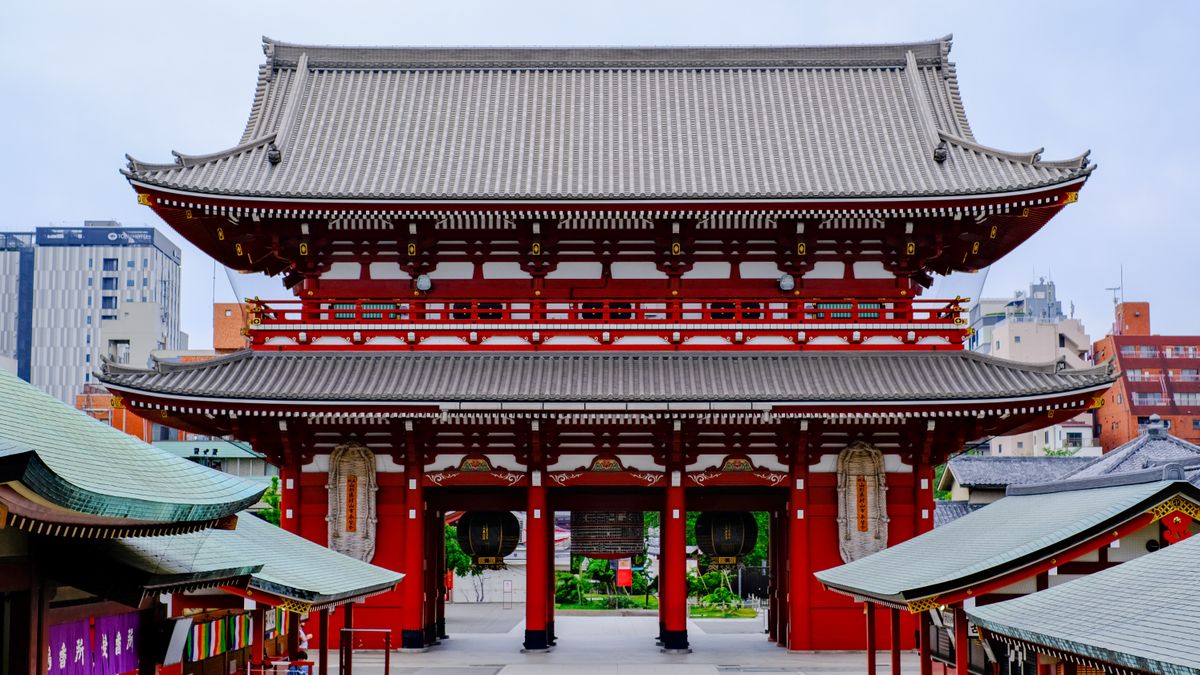
For better value, look east. Asakusa and Ueno offer high-quality business hotels at rates 30 to 40 percent below Shinjuku. In Asakusa you wake up next to Senso-ji, Tokyo's oldest temple, and see it at 7 am before the tour groups arrive. Ueno gives you the national museums, the park, and direct Skyliner trains from Narita Airport.
Rooms here run 8,000 to 14,000 yen for solid mid-range options. The trade-off is a 20 to 30 minute train ride to the west-side action, which in Tokyo terms is nothing.
Ginza and Marunouchi. The splurge
Ginza is where Tokyo's luxury hotels cluster, and Marunouchi puts you next to Tokyo Station with the bullet train downstairs. Both are calm, polished, and expensive. If you're planning day trips to Kyoto or Kanazawa, Marunouchi's station access has real value. Otherwise you're paying a premium for quiet streets that empty out after 9 pm.
Ikebukuro. The sleeper pick
Nobody puts Ikebukuro on a postcard, and that's exactly why it works. It sits on the Yamanote loop line like Shinjuku and Shibuya, has enormous department stores and food halls, and its hotels charge Ueno prices. If every place else is booked out for your dates, check here before you panic.
Getting in, and getting around
Fly into Haneda if you can choose. It sits 30 minutes from central Tokyo against Narita's 60 to 90, and after a 13 hour flight that difference is not abstract. From Narita, the Skyliner to Ueno takes 41 minutes and pairs perfectly with a hotel on the east side. From Haneda, the monorail and Keikyu line cover most of the city cheaply.
Once you're in, get a Suica card on your phone before you land and stop thinking about tickets entirely. The Yamanote loop line connects Shinjuku, Shibuya, Ueno, Ikebukuro, and Tokyo Station, which is why every neighborhood in this guide sits on or near it. Trains run every two to four minutes. Nobody needs a taxi in Tokyo until the trains stop at midnight, and at that point the taxi is $25 for what the train did for $1.50.
The practical rule for choosing a hotel is simple. Any property within an eight minute walk of a Yamanote station puts the whole city within reach, which is exactly why the value neighborhoods in this guide work as well as the famous ones.
When to go. Tokyo's pricing calendar
Tokyo hotel prices swing hard by season. The expensive windows are late March through mid-April for cherry blossoms, Golden Week from late April into early May, mid-November for autumn leaves, and the days around New Year. The cheap windows are January after the holidays, June during the rainy season, and late August through September when the heat keeps crowds down.
Booking patterns matter too. We wrote a full breakdown of the best time to book a hotel in 2026, and the short version holds for Tokyo. Book the room two to four weeks out for city hotels, earlier if your dates touch cherry blossom season.
One more way to cut the number. Tokyo hotels rarely discount, but cashback works everywhere. Book a 15,000 yen room through Best and 10 percent comes back to you, which over a week in Japan pays for a very good dinner. If you're weighing that against hotel points, we ran the math on that too.
FAQ
What is the best area to stay in Tokyo for first-time visitors?
Shinjuku is the most practical base for a first trip. It has the best transit connections in the city, endless food at every price, and you can reach most major sights in under 30 minutes.
How much does a hotel in Tokyo cost in 2026?
A mid-range hotel in central Tokyo costs 10,000 to 20,000 yen per night in 2026, roughly $67 to $133. Hostel beds run $23 to $40 and luxury properties start around $690.
Is Tokyo cheap for American travelers right now?
Yes. With the yen well below its long-term average against the dollar, a Tokyo trip costs 30 to 40 percent less on the ground than it did when the yen traded near 110. Hotels, food, and transit all feel discounted.
What is the cheapest month for Tokyo hotels?
January is the cheapest month, after the New Year holiday ends. June and September also run well below peak, with the trade-offs being rain in June and residual heat in September.
Images: Hero and Senso-ji temple via Pexels, used under license. Shibuya crossing by Benh Lieu Song via Wikimedia Commons, CC BY-SA 2.0.