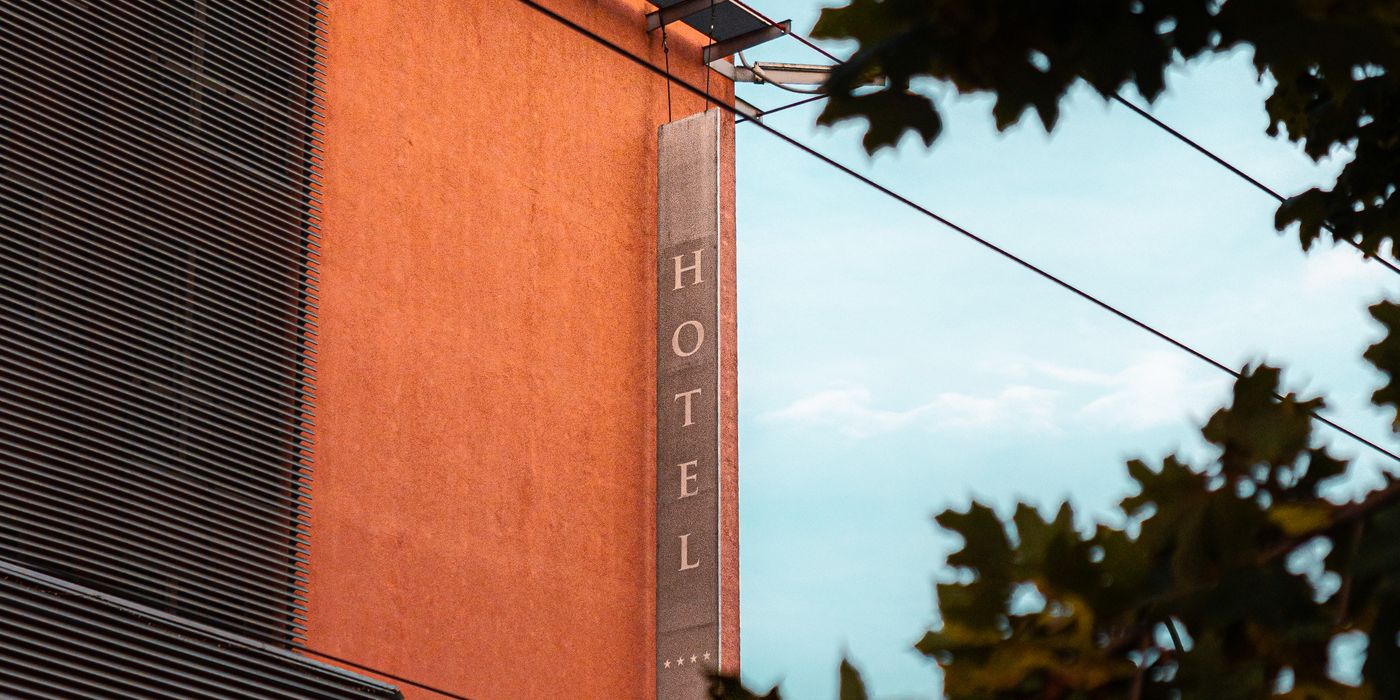
Barcelona Killed Short-Term Rentals. Hotel Prices Went Up 60%

Barcelona stopped issuing new short-term rental licenses in April 2025. Every existing license will expire by November 2028. By then, the roughly 10,000 tourist apartments that once filled neighborhoods like the Gothic Quarter, Eixample, and Barceloneta will be gone from platforms like Airbnb.
The city's reasoning was straightforward. Rents had risen over 60% in the past decade. Local residents were being priced out of their own neighborhoods. Tourism apartments were absorbing housing stock faster than the city could build new units. Something had to give.
A year into the ban, the effects are becoming visible. And for travelers planning a trip to Barcelona, the picture is more complicated than the headlines suggest.
Hotel Prices Went Up. A Lot.
This was the predictable outcome, and it happened. With fewer tourist apartments competing for bookings, hotels absorbed much of the displaced demand. Average hotel room prices in Barcelona have increased more than 60% over the past decade, and the rental ban has accelerated that trend.
Hotels, facing less competition from short-term rentals, have less incentive to keep rates low. During peak season, a mid-range hotel in the Eixample district that might have cost $150 a night in 2020 now regularly runs $240 or more. Boutique hotels in the Gothic Quarter, which compete most directly with the apartment market, have seen some of the steepest increases.
Critics of the ban, including Airbnb, argue this was inevitable. Fewer accommodation options plus steady or growing demand equals higher prices. The math is not complicated.
But the City Is Not Standing Still
Barcelona plans to add 5,000 new hotel beds, primarily in neighborhoods outside the traditional tourist center. The strategy is deliberate. Rather than concentrating all visitors in the Gothic Quarter and along La Rambla, the city wants to spread tourism revenue across districts like Poblenou, Sant Andreu, and Sants.
These are neighborhoods that Barcelona residents actually live in. They have local restaurants, neighborhood markets, and a rhythm that feels different from the tourist corridor. For travelers willing to stay 15 minutes from La Rambla instead of on top of it, these areas offer a more authentic experience and, for now, lower prices.
The city is also investing in transit connections to make staying in outer neighborhoods more practical. The L9 metro extension, better bus routes to the beach from inland neighborhoods, and bike lane expansion all make it easier to base yourself outside the historic center.
What This Means If You Are Planning a Barcelona Trip
The apartment rental market is not gone yet. Existing licenses remain valid until their individual expiration dates, with the final ones lapsing in late 2028. You can still find legal short-term rentals in Barcelona today. There are fewer of them, and they cost more than they did two years ago, but they exist.
Illegal rentals also persist, though the city has ramped up enforcement. Fines for operating without a license can reach 600,000 euros. If you book an apartment, verify the license number. If it does not have one displayed, you are taking a risk, and so is your host.
Hotels are the safer and increasingly unavoidable option. To get the best rates, book well in advance for peak periods. June through September fills fast, and prices jump significantly for last-minute bookings now that supply is tighter.
Consider the shoulder months. March through May and October through November offer Barcelona at its best. Temperatures sit in the 60s and 70s. Beaches are usable but not overcrowded. Hotel prices drop 20-30% from peak summer rates. And the city's restaurants, which are among the best in Europe, are easier to get into.
The Bigger Picture for European Cities
Barcelona is not alone. Amsterdam has capped short-term rentals at 30 nights per year. Florence banned new Airbnb listings in its historic center. Lisbon imposed new registration requirements that reduced its short-term rental stock. Cities across Europe are recalibrating the balance between tourism revenue and housing affordability.
For travelers, the trend is clear. The era of cheap, abundant Airbnbs in Europe's most popular cities is ending. Hotels are regaining their central role in urban travel. And the cities themselves are trying to steer visitors toward neighborhoods that actually benefit from tourism spending rather than suffer from it.
Barcelona's experiment is the most aggressive version of this shift. Whether it works, both for residents and for travelers, will shape how other cities approach the same problem. Early signs suggest the housing market is stabilizing in some neighborhoods, though it is too soon to declare victory.
For now, travelers heading to Barcelona should budget more for accommodations than they might have a few years ago. But they should also consider that the city they experience might be better for it. Neighborhoods that were losing their character to tourist apartments are starting to feel like neighborhoods again. And that is worth something.
FAQ
Can you still rent an Airbnb in Barcelona in 2026?
Yes, but options are shrinking. Barcelona stopped issuing new short-term rental licenses in April 2025, and existing licenses will expire by November 2028. Legal rentals still exist but cost more than they did previously.
How much do hotels cost in Barcelona in 2026?
Average hotel room prices have risen more than 60% over the past decade. A mid-range hotel in the Eixample district runs $200-300 a night in peak season. Shoulder season (March-May, October-November) is 20-30% cheaper.
Which Barcelona neighborhoods are best for affordable hotels?
Neighborhoods outside the traditional tourist center, including Poblenou, Sant Andreu, and Sants, offer lower hotel rates and a more local experience. The city is adding 5,000 new hotel beds in these outer districts.
Are other European cities banning short-term rentals?
Several major cities are restricting them. Amsterdam caps rentals at 30 nights per year. Florence banned new listings in its historic center. Lisbon imposed strict registration requirements. The trend toward tighter regulation is accelerating across Europe.
Images: Hero by Quentin BASNIER via Unsplash, used under license.