72 Hours in Belgrade: A City Guide for the First-Time Visitor
Belgrade hotels average €40-70 per night. The nightlife is genuinely world-class. The history is layered in ways most travel writing skips. Here's 72 hours done right.
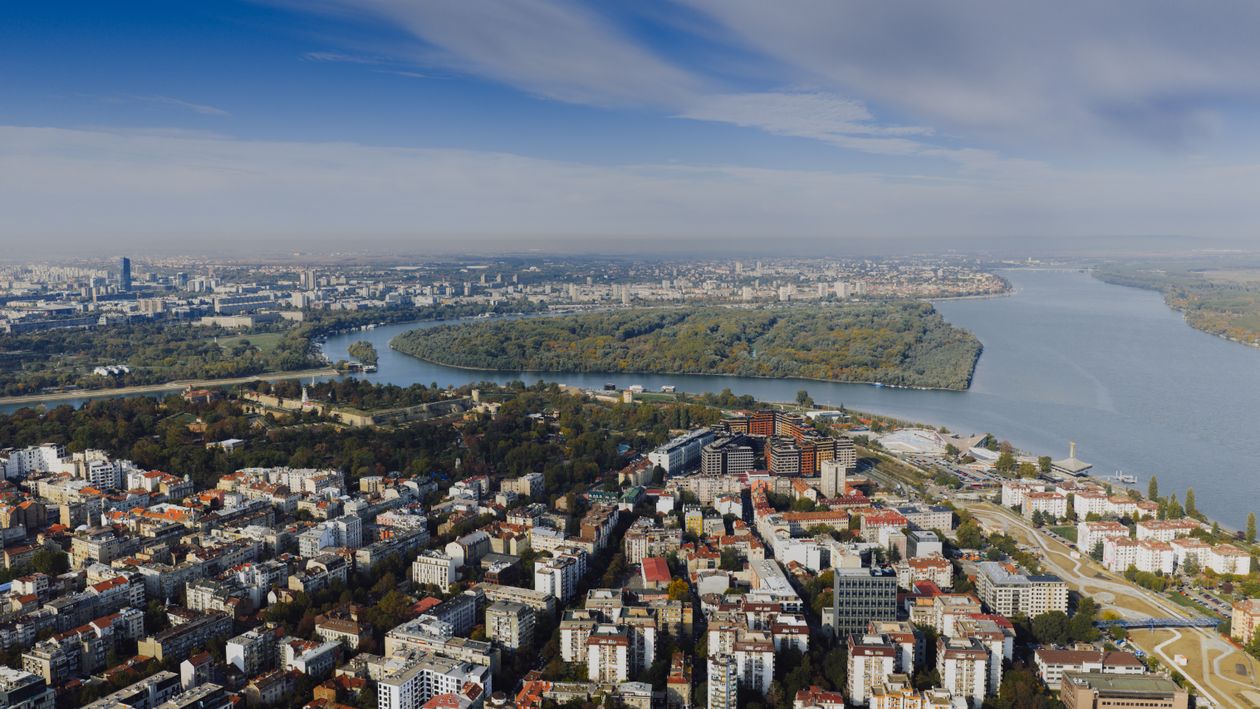
Belgrade is one of Europe's most underrated cities. Hotels average €40-70 per night in good central locations. The food and nightlife are excellent. The history is layered and complicated in ways most travel writing doesn't bother to explain. And the city doesn't appear on most travelers' radar yet.
That's changing. Visitor numbers to Serbia have grown significantly in recent years, and Belgrade in particular has developed a reputation among Europeans as the place to go when you want a city break that hasn't been priced like Paris or Amsterdam. Here's how to spend 72 hours there well.
Where to Stay
Belgrade has two distinct areas worth staying in: Stari Grad (the Old Town, centered around the pedestrian Knez Mihailova street) and Savamala (the former industrial district along the Sava River that's become the arts and nightlife center).
Stari Grad is the more practical choice for a first visit. You're close to Kalemegdan Fortress, the main pedestrian streets, most museums, and a concentration of restaurants and cafes. Hotels in this area run €45-90 for a solid mid-range double. Several smaller boutique hotels have opened in the last few years and offer better value than the big international chains.
Savamala is better if you're primarily there for nightlife and the arts scene. It's a 10-minute walk or short taxi from Stari Grad. The hotel density is lower but a handful of well-designed properties have opened in converted warehouses and old merchant buildings.
New Belgrade, across the Sava, has most of the international chain hotels (Marriott, Radisson, Hilton). Practical for business travelers, slightly less convenient for sightseeing. Prices run €60-120.
Day 1: The Fortress and the Old Town
Kalemegdan Fortress is the obvious starting point. It sits at the confluence of the Sava and Danube rivers and has been a military site since Roman times. The views from the ramparts over the two rivers are genuinely spectacular. Allow 2-3 hours and don't rush it.
From the fortress, walk down Knez Mihailova, the pedestrian street that cuts through Stari Grad. It's touristy but worth walking once. The side streets off it are more interesting, particularly toward Republic Square and the National Museum.
The National Museum of Serbia reopened in 2018 after a 15-year renovation. It's one of the better art collections in the Balkans, covering Serbian medieval art through to 20th century masters. Admission runs about €5.
For dinner on the first night, try Skadarlija. It's the old Bohemian quarter, a cobblestone street lined with traditional Serbian restaurants (kafanas). Touristy but atmospheric, and the food is genuinely good. A full dinner with wine runs €15-25 per person.
Day 2: Savamala and the River

Morning is a good time to walk through Savamala before the galleries and cafes open. The street art and architecture are worth seeing when the streets are quiet. The area was largely derelict until about 2010 and the renovation is ongoing — you get an interesting mix of restored buildings, active renovation, and still-rough edges.
The Mikser House (now relocated to a new space nearby) runs a good program of design, music, and cultural events. Check what's on during your visit. The market on weekends brings in local makers and food vendors.
For lunch, leave the tourist circuit. Walk 10 minutes in any direction from Knez Mihailova and you'll find places where locals eat. Pekara (bakeries) serve burek (savory pastries) for €1-2. A proper sit-down lunch at a local restaurant runs €6-10.
The afternoon is a good time to cross into New Belgrade via the Brankov Bridge and walk along the river embankment. The view back to Kalemegdan from the New Belgrade side is one of the better urban vistas you'll find anywhere in the Balkans.
Nightlife in Belgrade starts late and ends extremely late. The floating clubs (splavi) on the Sava and Danube rivers are a Belgrade institution. Some of them are genuinely world-class. They operate from roughly midnight and many run until 6-8am. You don't need to stay until sunrise, but arriving before midnight makes no sense by local standards.
Day 3: Day Trips and Wrap-Up
If you have a third day, two options are worth considering.
Novi Sad is 90 kilometers north of Belgrade on the Danube, about 1.5 hours by train or bus. It's Serbia's second-largest city, considerably more relaxed than Belgrade, and home to Petrovaradin Fortress, which sits on a dramatic cliff above the river. The city hosts EXIT festival in July (one of Europe's better music festivals). Worth a day trip if you want a contrast to Belgrade's intensity.
Topola, about 90 kilometers south, is where the Karadjordjevic dynasty built a remarkable church complex including the Church of St. George, whose interior is covered in Byzantine-style mosaics. Quieter and less visited than Novi Sad, better if you're interested in Serbian history and Orthodox architecture.
For the last meal before leaving, find a place serving cevapi (small grilled meat sausages) with kajmak (a clotted cream common across the western Balkans). It's the dish Belgrade does best and it rarely costs more than €6-8 for a full portion.
Getting There and Getting Around
Belgrade Nikola Tesla Airport has direct connections from London, Paris, Frankfurt, Amsterdam, Vienna, Zurich, Istanbul, and many other European and Middle Eastern hubs. Several low-cost carriers serve it, including Wizz Air from multiple UK and European cities. Return fares from London typically run £80-160.
Within Belgrade, taxis are cheap and plentiful. A ride across the central area costs €3-6. The Pink Taxi and Car:Go apps work well and show fixed prices upfront. Public buses cover the whole city if you're budget-conscious.
Booking hotels in Belgrade through Best earns you 10% cashback. A 3-night stay at €60 per night comes to €180 total, so that's €18 back automatically.
Frequently Asked Questions
How much does a hotel in Belgrade cost? Mid-range hotels in central Belgrade run €40-80 per night. Budget guesthouses and hostels start at €15-25. Boutique hotels in Savamala and Stari Grad run €60-100 for a double room.
Is Belgrade worth visiting? Belgrade consistently ranks as one of Europe's most underrated cities among travelers who've been. It has a genuine character, affordable prices, excellent nightlife, and a history that few other European capitals can match for sheer intensity.
What's the best time to visit Belgrade? April through June and September through October offer the best weather and moderate crowds. July and August are hot (35°C+ is common) and busy. Winter is cold but the city has good indoor life and much lower prices.
Is Belgrade safe? Belgrade is considered safe for tourists. Standard city travel precautions apply. The nightlife areas are lively but not dangerous by European standards.
Images: Hero aerial Belgrade and Danube (photo 34432818), New Belgrade at golden hour (photo 28524358). Both via Pexels, used under license.