China Hotel Prices Are at Multi-Year Lows. Here Is Why
Chinese hotel RevPAR fell 6% in July while US RevPAR rose 7.3%. What that gap means for anyone planning a trip.
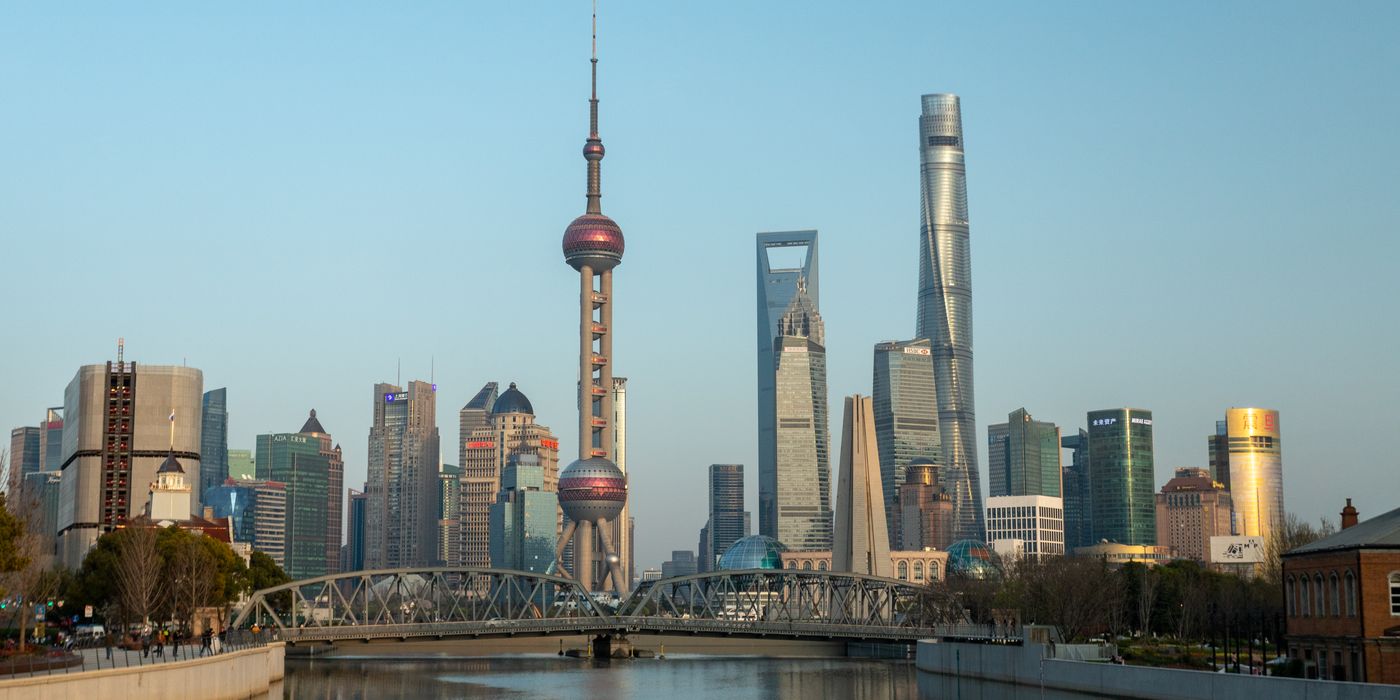
Hotel rooms in China cost less right now than they have in years. Not slightly less. A room in Shanghai on an August weekend runs a median of about $88. Head west to Kashgar and the median drops to $28. Nationally, revenue per available room fell 6% in July 2026 against the same month last year, with occupancy down three percentage points and average daily rate off roughly 1%.
Almost everywhere else, hotel prices are moving the other way. That gap is the story.
The two markets, side by side
US hotels posted a 7.3% RevPAR gain for the week ending August 1, 2026. Philadelphia led the top 25 markets with average daily rate up 19.6% to $175.02 and RevPAR up 32.1% to $137.55. On August 6, CoStar and Tourism Economics revised their US forecast upward for 2026 and 2027, adding 1.1 percentage points to expected ADR growth and 1.6 points to RevPAR growth, with occupancy now projected at 63.1%.
China went the opposite direction over the same stretch. Occupancy fell. Rates fell. Both at once, which is rarer than it sounds. Hotels usually protect rate and let occupancy slide, or they cut rate to defend occupancy. Losing both means demand softened faster than operators could react.
.jpg?width=1400)
What a traveler actually pays
Median August weekend rates across Chinese cities in 2026 span a wide band. Kashgar sits near the bottom around $28. Shanghai sits near the top around $88. Most large second-tier cities land somewhere between $35 and $60 for a clean mid-range room with a decent location.
For comparison, a mid-range room in Tokyo this month runs roughly $130 to $190. Seoul lands around $110 to $160. Bangkok sits closer to $70 to $110. China is currently the cheapest major destination in East Asia by a wide margin, and it is not particularly close.
We track this kind of divergence closely, because it tends not to last. Read our take on why global hotel prices stopped moving together for the longer view.
Why prices fell
Three things happened at once.
Domestic supply kept growing. Chinese hotel groups added rooms aggressively through 2024 and 2025, betting on a travel recovery that would keep accelerating. The rooms arrived. The demand curve flattened first.
Domestic leisure demand cooled. Chinese travelers are still moving, but they are trading down. More three-star, fewer five-star. More short-haul weekend trips, fewer long multi-city itineraries. That shift shows up as lower ADR even when occupancy holds.
Inbound international travel has not recovered to where operators assumed it would. Visa-free entry expanded for dozens of countries, which helped at the margin, but the volume of foreign visitors is still well below what the room supply was built for.
Where the discount is deepest
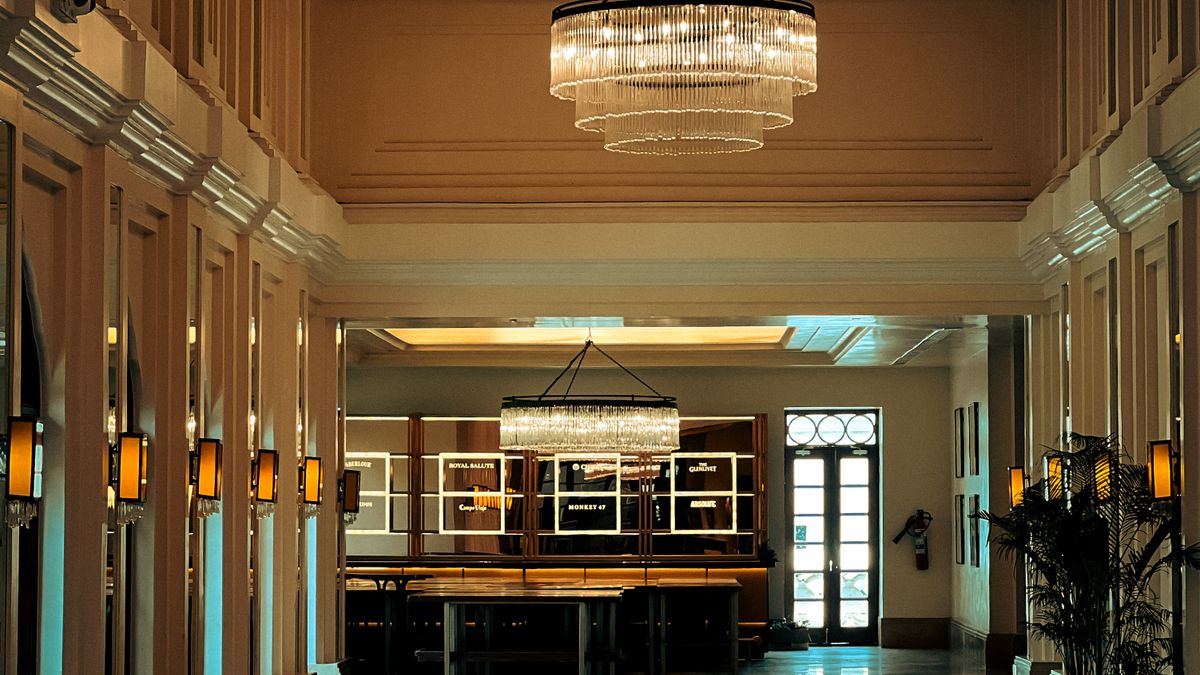
The softness is not spread evenly. Luxury and upper-upscale properties are cutting hardest, because that is where the trade-down hits. A five-star room in Chengdu or Hangzhou that would have been $180 in 2023 is closer to $95 to $120 now. Economy and midscale rooms have barely moved, because those were never expensive to begin with and the floor is close.
Geographically, the biggest discounts sit in second-tier and western cities. Xi an, Chengdu, Chongqing, Kunming, Urumqi, and Kashgar all show meaningful year-over-year rate declines. Beijing and Shanghai are softer than last year but still command a premium over everywhere else.

How long this lasts
Probably not long. Soft pricing in a market with strong underlying demand is a temporary condition, not a permanent one. Supply growth is already slowing as developers pull back on new projects. When inbound travel picks up, and it is trending upward even if slowly, the same room count starts filling at higher rates.
Our read is that the window runs through roughly mid-2027. After that, occupancy recovers, operators regain pricing power, and the arbitrage closes. If China has been on your list, the next four to six quarters are the cheap ones.
How to book it well
A few things worth knowing before you book a Chinese hotel.
Book closer in than you would elsewhere. In a soft market, rates drift down as the date approaches rather than up. The two-to-three week window has been producing better prices than the two-month window for most of 2026. That is the inverse of the shoulder season logic that applies in Europe.
Check whether the property accepts foreign passports. Not every Chinese hotel is licensed to host international guests. The rule has loosened considerably since 2024 and most mid-range and above properties in major cities are fine, but smaller guesthouses in second-tier cities still turn people away. Filter for properties that explicitly list international guest acceptance.
Set up mobile payment before you land. Alipay and WeChat Pay both accept foreign cards now. Linking a card takes ten minutes at home and saves a lot of friction on the ground.
Watch the currency angle. Rates quoted in yuan and charged in dollars can drift a few percent apart depending on when your card settles. Always pay in the local currency rather than accepting the hotel conversion, which is a bad deal roughly every time. We wrote about dynamic currency conversion in more detail.
One more thing. Cheap rates and cashback stack. A $60 room in Chengdu booked through Best comes back with $6. Over a ten-night trip through several cities, that is a decent dinner in Chengdu, which is saying something.
Common questions
How much does a hotel in China cost in 2026?
Median August weekend rates range from about $28 per night in Kashgar to about $88 in Shanghai. Most second-tier cities fall between $35 and $60 for a mid-range room. That is roughly 40% below comparable rooms in Tokyo or Seoul.
Why are Chinese hotel prices falling in 2026?
Revenue per available room dropped 6% year over year in July 2026 because of three overlapping factors. Room supply grew faster than demand, domestic travelers traded down to cheaper categories, and inbound international arrivals have not recovered to pre-2020 levels.
Is now a good time to visit China?
On price, yes. Hotel rates are at multi-year lows and visa-free entry has expanded to dozens of countries. The pricing window likely runs through mid-2027 before supply growth slows and occupancy recovers.
Which Chinese cities have the cheapest hotels?
Western and second-tier cities offer the deepest discounts. Kashgar, Urumqi, Kunming, Chongqing, and Chengdu all show meaningful year-over-year rate declines. Beijing and Shanghai remain the most expensive but are still softer than 2025.
Can foreign travelers stay at any hotel in China?
Not every property is licensed to host international guests, though the rules loosened significantly after 2024. Mid-range and upscale hotels in major cities almost always accept foreign passports. Smaller guesthouses in second-tier cities sometimes do not, so check before booking.
The knock-on effect across Asia
Cheap rooms in one large market do not stay contained. Chinese outbound travelers are the biggest single source market for most of Southeast Asia, and when domestic hotels get this cheap, some share of those trips stay home. Operators in Bangkok, Da Nang, and Jeju have all flagged softer Chinese arrivals through the first half of 2026.
That produces a second-order effect worth watching. Properties in those markets that built their occupancy models around Chinese group demand are now discounting to fill the gap with other nationalities. If you are booking Southeast Asia this autumn, the resort tier is where that shows up first, because those are the properties with the heaviest exposure.
Japan is the exception. Chinese arrivals into Japan have held up, partly because the yen makes it feel like a bargain and partly because Japan absorbed a lot of the outbound demand that used to go elsewhere. Japanese hotel rates are up year over year, which is the mirror image of what is happening on the mainland. Our Japan hotel budget breakdown covers what that looks like city by city.
What we would actually do
If China is on the list, book it inside the next four quarters and skip the first-tier cities. The value is concentrated in Chengdu, Xi an, Kunming, and the western routes, where a five-star room costs what a mid-range room costs in Shanghai. High-speed rail connects almost all of it, which makes a multi-city trip cheap to assemble and easy to change.
If China is not on the list, the useful takeaway is that Asia is currently two separate pricing markets rather than one, and the gap between them is the widest it has been in a decade.
Images via Pexels and Wikimedia Commons, used under license.



