Costa Rica in April 2026: Where to Go, What to Expect, and How to Book Right
April in Costa Rica means dry-season beaches on the Pacific, turtle nesting on the Caribbean, and prices 20–35% below peak. Here's the full guide to making the most of it.
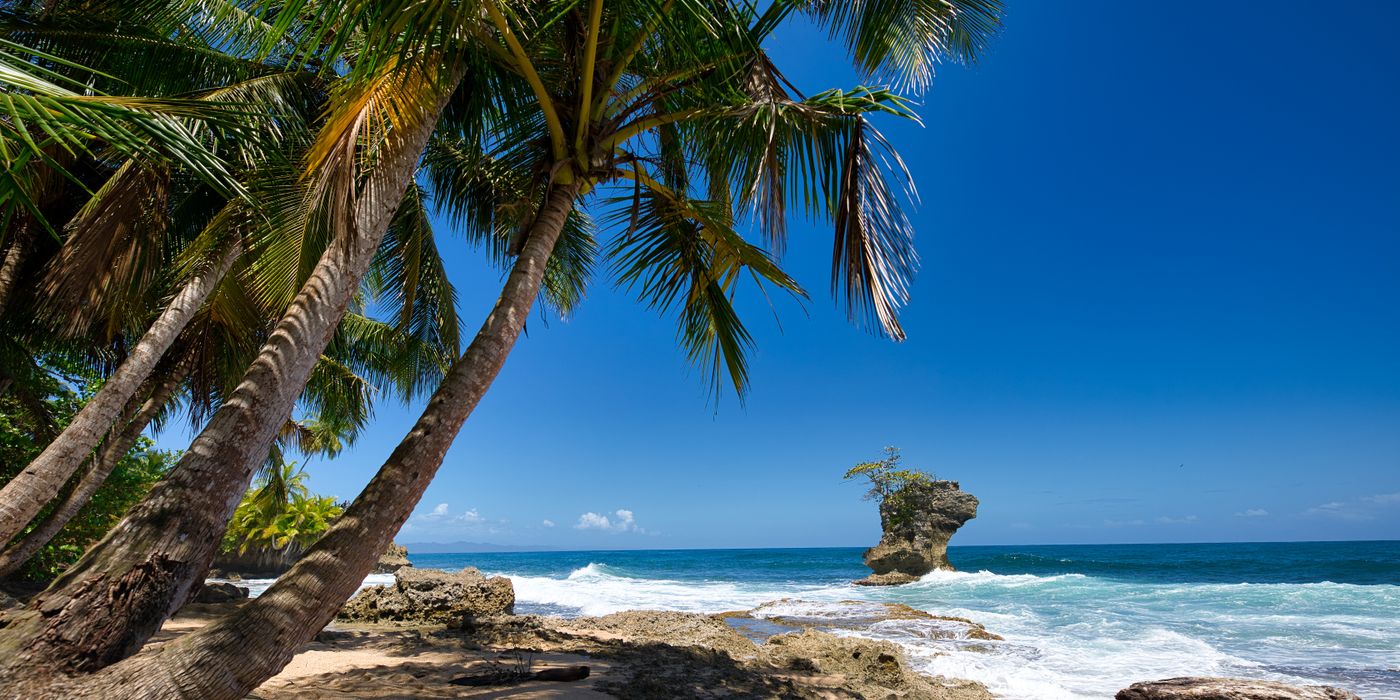
April is one of the most underrated months to visit Costa Rica, and it's not a secret we want to keep. The dry season is winding down, the crowds from January and February have thinned, and the landscapes are at their most dramatic — dry forests have dropped their leaves in the northwest while the Caribbean coast stays lush and green year-round. Prices sit noticeably below high-season peaks, and the country's wildlife cycle means April is one of the better months for sea turtle nesting sightings on the Caribbean side. This guide covers where to go, how to move between regions, and what makes April specifically worth planning around.
Understanding the Two Costa Ricas in April
The Pacific side (Guanacaste, Nicoya Peninsula) is deep into dry season in April. That means hot days, blue skies, and minimal rain — ideal for beaches and jungle hiking, but some rivers run lower and forest canopies look sparse compared to the rainy season version of the same landscape. The Caribbean side (Tortuguero, Puerto Viejo, Cahuita) operates on a different weather pattern entirely and sees rain year-round, with April being relatively moderate. The forest there stays dense and green.
This split matters when planning your route. The most common mistake is treating Costa Rica as one climate zone. If you want dry beach weather, base yourself in Guanacaste or around Manuel Antonio. If you want thick jungle and wildlife density, the Caribbean side or the Osa Peninsula deliver something more dramatic, with the trade-off of higher humidity and occasional afternoon showers even in April.
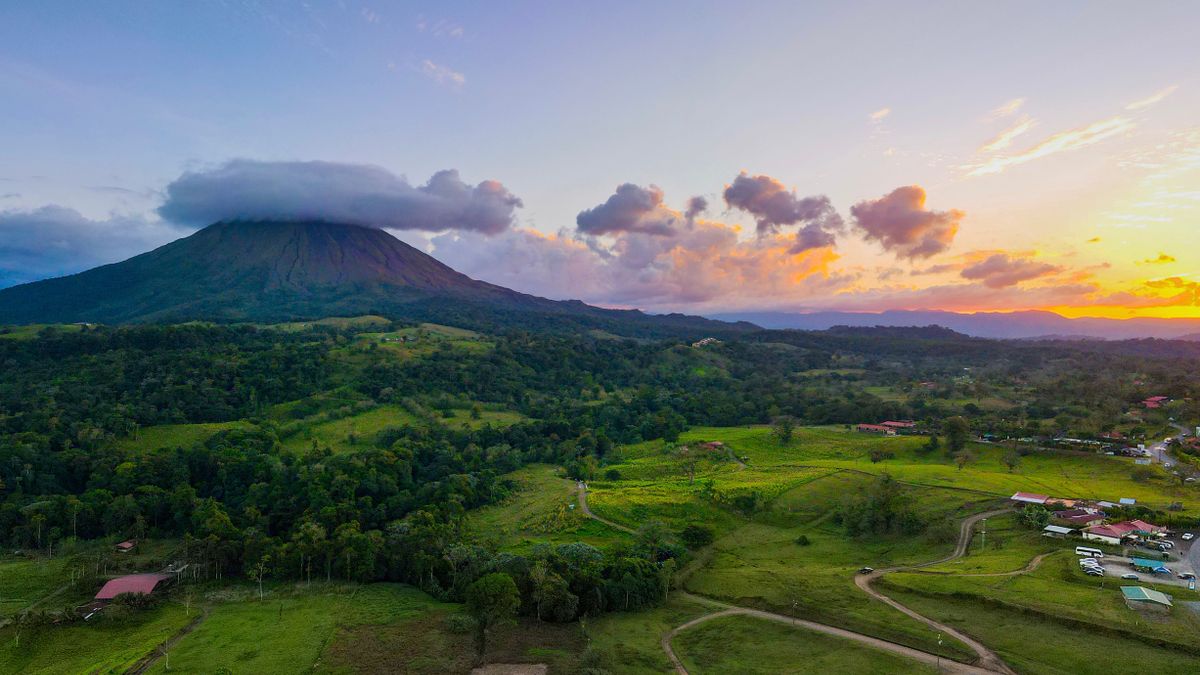
The Arenal Region in April
La Fortuna and Lake Arenal are year-round destinations, but April is genuinely good here — temperatures run 22–28°C, afternoon clouds build around the volcano but mornings usually stay clear, and the hot springs are less packed than they are at Christmas or during February peak. The Mistico Hanging Bridges walk through cloud forest near the volcano offers wildlife sightings (monkeys, sloths, tucanes) at a pace that rewards early starts. Arrive at 6:30–7am before tour buses from San José arrive around 9am.
The drive between La Fortuna and the Pacific coast via the Tilarán highway takes about 3 hours and crosses through the Tilaran range with views over both sides of the country on clear mornings. It's one of the most satisfying driving segments in Central America and worth doing even if it means a slightly indirect route.
Where to Stay on the Pacific Coast
Nosara and Samara on the Nicoya Peninsula both offer a slower-paced alternative to the more developed Tamarindo further north. Samara has a protected bay that makes it genuinely safe for swimming — useful if you're traveling with kids or aren't a strong ocean swimmer. Nosara remains surf-focused with a settled expat community and several well-regarded yoga retreats, a combination that either sounds ideal or exhausting depending on your travel style.
Santa Teresa on the southern tip of the Nicoya Peninsula has the most striking scenery — dramatic sunsets, consistent surf, and a beach road that still feels genuinely underdeveloped despite more tourism infrastructure each year. The road into Santa Teresa from the Tambor ferry landing is rough in spots, but a standard SUV handles it without issues. Budget roughly 2.5 hours from the Paquera ferry including the drive.

The Caribbean Side: Tortuguero and Puerto Viejo
Tortuguero is only accessible by boat or small plane, which keeps visitor numbers lower than the Pacific side. April is the start of the green turtle nesting season — sightings are not guaranteed and the national park strictly regulates night beach access through certified guides. The town itself is about 600 people on a narrow strip between the canal and the sea, which gives it a genuine end-of-the-road character that the polished eco-lodges can't fully dilute.
Puerto Viejo de Talamanca in the south is a different proposition — it's accessible by road from San José (about 4 hours), has a growing restaurant and nightlife scene, and serves as a base for the Cahuita and Manzanillo national parks. The reef at Cahuita is one of the only living coral reef systems in Costa Rica and worth a snorkel in the morning before the afternoon current picks up. April water clarity is typically good.
Getting Around: What Actually Works
Renting a 4WD is the correct move for any itinerary that includes rural roads, river crossings, or the Osa Peninsula. Don't let the rental agent upsell you on the top trim — a basic Daihatsu Terios or Toyota Rush handles everything outside of Osa, where a true 4x4 is non-negotiable. Book directly with local rental companies like Vamos or Adobe rather than international chains; prices run 25–40% lower for the same vehicle category.
Shared shuttle services (Interbus, Greyhound-style shuttles) connect all major destinations for $25–55 per segment and are worth using if you're not renting a car. Public buses are dramatically cheaper but add 50–100% to travel times. Internal flights via Sansa or Nature Air connect San José to small airstrips near Tortuguero, Nosara, Drake Bay (for Osa), and Tambor — the 35-minute flight to destinations that take 4–5 hours to drive is worth the $80–130 cost on multi-region trips.
Finding the Right Hotel in April
Hotel pricing in Costa Rica in April sits at the bottom of the annual range — about 20–35% below peak January/February rates. The shoulder season discount is real, but so is the variation in what you get for your money depending on where you book. Eco-lodges often have their own direct booking rates that beat OTAs by 15%, and breakfast inclusions are far more common in April than at peak season when properties don't need to incentivize.
Best lets you compare real rates across booking platforms before committing, which matters in Costa Rica more than most destinations because the spread between platforms on boutique eco-lodges can run $40–90 per night. For April travel in particular — when negotiating directly or through smaller platforms often yields better prices — seeing all your options in one view before clicking through saves both time and money. The cashback on bookings made through Best adds on top of whatever rate you find.
Images: Costa Rica palm beach by Pexels (ID 12832297); Arenal volcano landscape by Pexels (ID 14510492); Tropical beach by Pexels (ID 19938718). All via Pexels, used under the Pexels License.