Why Every Hotel Suddenly Belongs to a Collection
Kimpton in Polanco, a Curio in Arctic Iceland, Hilton lifestyle in Bengaluru, all in one news cycle. What collection brands are and how to shop them.
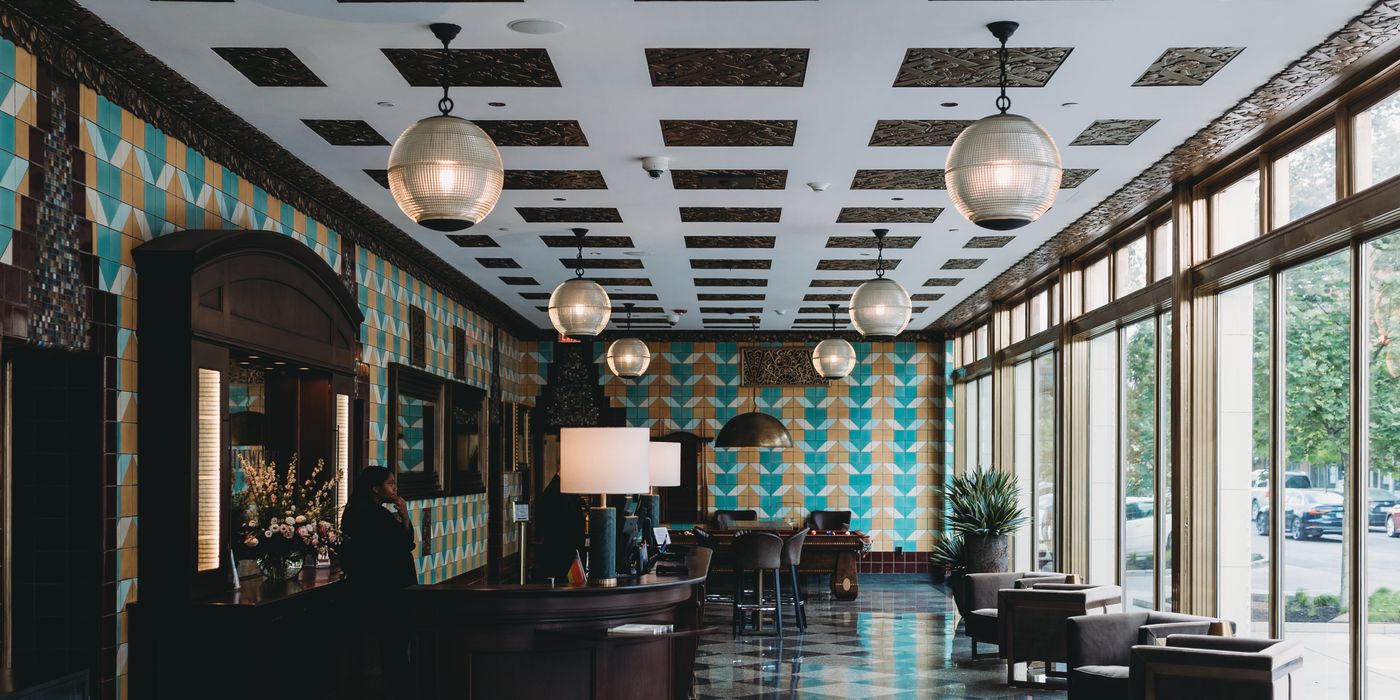
In the past two weeks alone, a Kimpton opened in Mexico City's Polanco district, a Curio Collection property landed in Akureyri on Iceland's north coast, and Hilton opened its first lifestyle hotel in India, a Bengaluru property that joined the same Curio flag. None of these hotels look anything alike. That is the entire point, and it is the fastest-growing idea in the hotel business.
A collection brand, sometimes called a soft brand, is a chain affiliation that lets an independent-looking hotel keep its own name, design, and personality while plugging into a giant company's booking systems and marketing. Marriott, Hilton, Hyatt, and IHG now run more than a dozen of these flags between them, and they are signing new hotels into them faster than almost any traditional brand in their portfolios.
What a collection brand actually is
Traditional hotel brands are boxes of standards. A Hampton Inn in Ohio and a Hampton Inn in Oregon promise the same bed, the same breakfast, and the same lobby smell, and the brand exists so you never have to think about it.
Collection brands invert that promise. Curio and Tapestry at Hilton, Autograph Collection and Tribute Portfolio at Marriott, The Unbound Collection at Hyatt, and Vignette at IHG all sell the opposite idea. Every property is different, and the flag is a quality floor rather than a template. The hotel keeps its name and its quirks. The parent company supplies the reservation engine, the app, and a familiar checkout flow.
Why the chains are flooding the market with them
The economics explain the growth. Building a hotel to a traditional brand's spec takes years and enormous capital. Converting an existing independent hotel into a collection brand can take months, because the building does not have to change much. For the parent company, that means fee revenue that starts flowing almost immediately. Industry coverage of the conversion wave, like Hotel Dive's ongoing reporting, keeps finding the same thing. In slow construction years, conversions carry the growth numbers for every major chain.
There is also a defensive motive. Independent boutique hotels were winning a generation of travelers who found chain properties interchangeable. Rather than watch that demand leak away, the chains built flags spacious enough to hold the independents inside their own ecosystems.

What it means for the traveler booking one
The good news first. Collection properties are frequently the most interesting hotels in the big-brand universe. A converted 19th-century bank, a former monastery, a design hotel that was fiercely independent five years ago. You get character with chain booking rails underneath, which matters when something goes wrong and you need a functioning customer service apparatus.
The trade-off is that the flag tells you very little about the specific hotel. One Autograph property is a five-star icon and the next is a mid-market conversion that changed its lobby art. The brand name cannot carry the research weight it carries at a Hampton or a Holiday Inn Express. You are back to reading reviews for the individual property, and with review fraud getting cheaper, that is its own skill. Our guide to spotting fake hotel reviews covers the tells.
Pricing behaves independently too. Collection hotels set rates like the independents they mostly still are, which means bigger day-to-day swings than a corporate-managed tower. That volatility cuts both ways, and it is exactly the environment where refundable rebooking earns its keep.
The lifestyle layer on top
Alongside the collections, the chains keep launching what they call lifestyle brands. Kimpton and Hoxton-style properties where the bar, the restaurant, and the lobby scene are the product as much as the room. The new Polanco Kimpton is a clean example. Its opening pitch is neighborhood, food, and design, with the room almost as an afterthought. Hilton entering India through a lifestyle flag rather than a convention-center box tells you where the industry believes the next decade of demand sits. Younger travelers book atmosphere first.
For hotel owners, a lifestyle flag is a bet that food, drink, and event revenue can carry margins that room rates alone no longer deliver. The bet is paying off often enough that every major chain now has at least two of these brands, and the openings keep coming. This month it is Mexico City, Arctic Iceland, and Bengaluru in the same news cycle.

How to shop them well
Treat the flag as a filter, not a verdict. It tells you the property cleared a quality bar and sits on reliable booking infrastructure. Then research the hotel as if it were independent, because functionally it is. Look at the specific building's age and last renovation date, read recent reviews rather than the all-time average, and check the location block by block rather than trusting a neighborhood name.
And compare the price against the character-free alternative. A collection hotel at $240 against a cookie-cutter tower at $180 is a $60 nightly premium for personality. Some nights that premium is the best money in the trip. Some nights you land at midnight and leave at seven, and the tower wins. Knowing which trip you are on is the whole game.
Where this is heading
The brand count keeps climbing. Marriott sits above 30 brands, Hilton above 20, and each earnings call brings another launch or acquisition. The chains are not confused about why. Every new flag is a new shelf in the same store, a way to sign hotel owners who did not fit the existing boxes and to meet travelers at one more price point without cannibalizing an existing brand.
For travelers, the practical effect is that brand names now carry less information than they did a decade ago, while the booking platforms carrying all of them carry more. The hotel world is quietly reorganizing itself around distribution rather than identity. Whoever controls the search results and the rate comparison matters more than whose logo is on the key card.
Our bet is that the sorting problem gets worse before it gets better. A traveler comparing a Tapestry, a Tribute, and a Vignette in the same city is comparing three hotels that share nothing except the conversion playbook that created them. The tools that win the next few years are the ones that cut through to the two numbers that always mattered, what the stay costs and what you get back. That conviction is roughly the founding story of Best, and it is also why we spend so much time writing about the loyalty math the brand explosion was built to obscure.
Questions travelers ask about collection brands
What is a soft brand hotel? An independent or formerly independent hotel that affiliates with a major chain's collection flag, keeping its own name and design while using the chain's booking and distribution systems.
Are collection brand hotels better than regular chain hotels? They are usually more distinctive, not automatically better. Quality varies property to property far more than within traditional brands, so per-hotel research matters more.
Which chains own the big collection brands? Hilton runs Curio and Tapestry. Marriott runs Autograph Collection, Tribute Portfolio, and Luxury Collection. Hyatt runs The Unbound Collection. IHG runs Vignette Collection.
Why are so many collection hotels opening in 2026? Conversions are faster and cheaper than new construction, so in a tight construction market the chains grow by converting existing independents into collection flags.
Images. Hero by Steven Van Elk and lounge interior by Max Vakhtbovych via Pexels. Restaurant interior via Pixabay. All used under license.