Hotel Shrinkflation and What Quietly Left Your Room
US hotel rates are up 2.6 percent. In the same period the closet, the minibar and daily housekeeping quietly left the room. Here is the economics behind it and what to check before booking.

Average US hotel rates are up about 2.6 percent over the past year. In the same period the closet left the room, the minibar left the room, the desk turned into a shelf with ambitions, and daily housekeeping quietly became something you ask for.
The industry has a word for this that it does not use publicly. Everyone else calls it shrinkflation. You pay a little more for meaningfully less, and the change is spread thin enough that no single stay feels like the moment it happened.
We spend a lot of time inside hotel pricing data at Best, and this is the pattern that has been hardest to explain to travellers, because the individual decisions behind it are all defensible. It is the total that stings.
What actually disappeared
Start with the room itself. New-build select-service rooms have been getting smaller for a decade, and at the budget end they now routinely come in under 12 square metres. That is a bed, a bathroom, and enough floor to open a suitcase if you do it on the bed.
Inside that footprint, the changes are specific.
The closet. Replaced in most new builds by an open hanging rail or a set of wall hooks. Open storage is faster to clean, guests forget fewer items in it, and it takes less housekeeping labour per turn. Every one of those is a real operational gain.
The minibar. Gone almost everywhere below the luxury tier. Minibars are a stocking cost, a spoilage cost, a billing-dispute cost, and a housekeeping time cost, and they stopped earning their keep when every hotel put a convenience shop in the lobby.
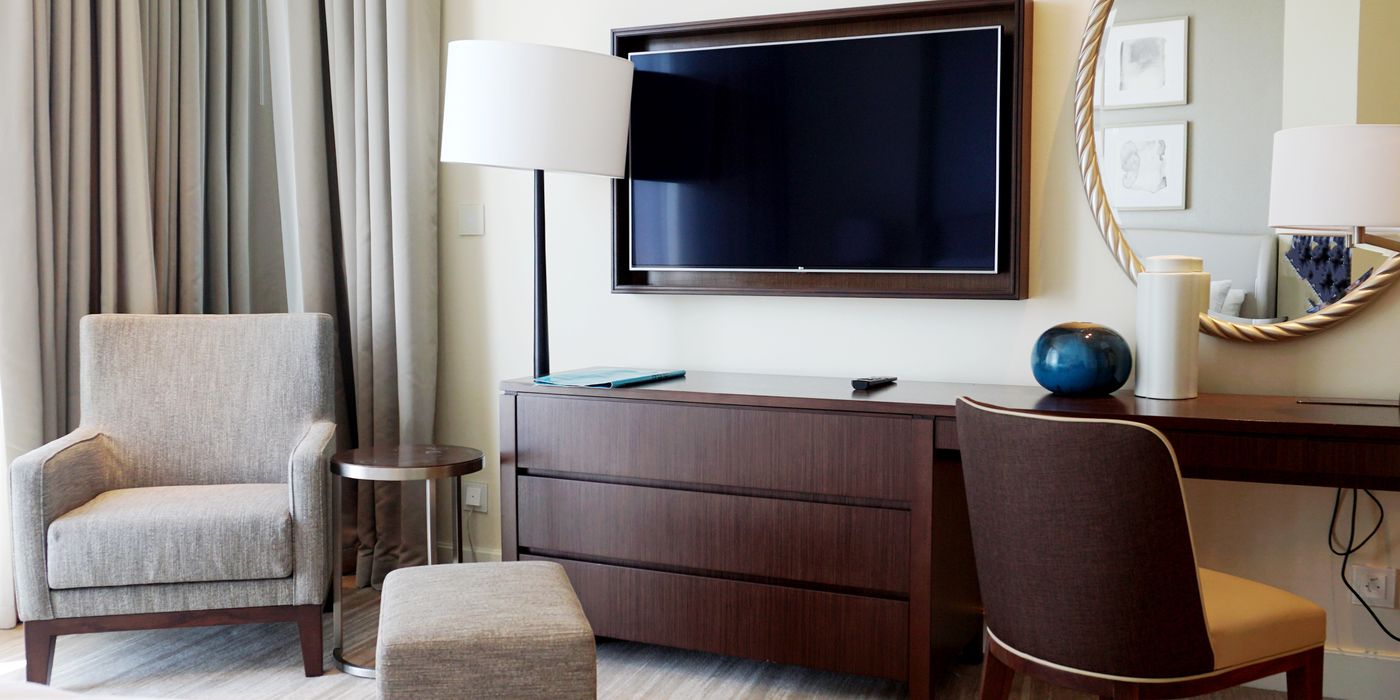
The desk. Shrunk to a narrow ledge or removed entirely on the theory that guests work from the bed. Broadly true, and still irritating on a work trip.
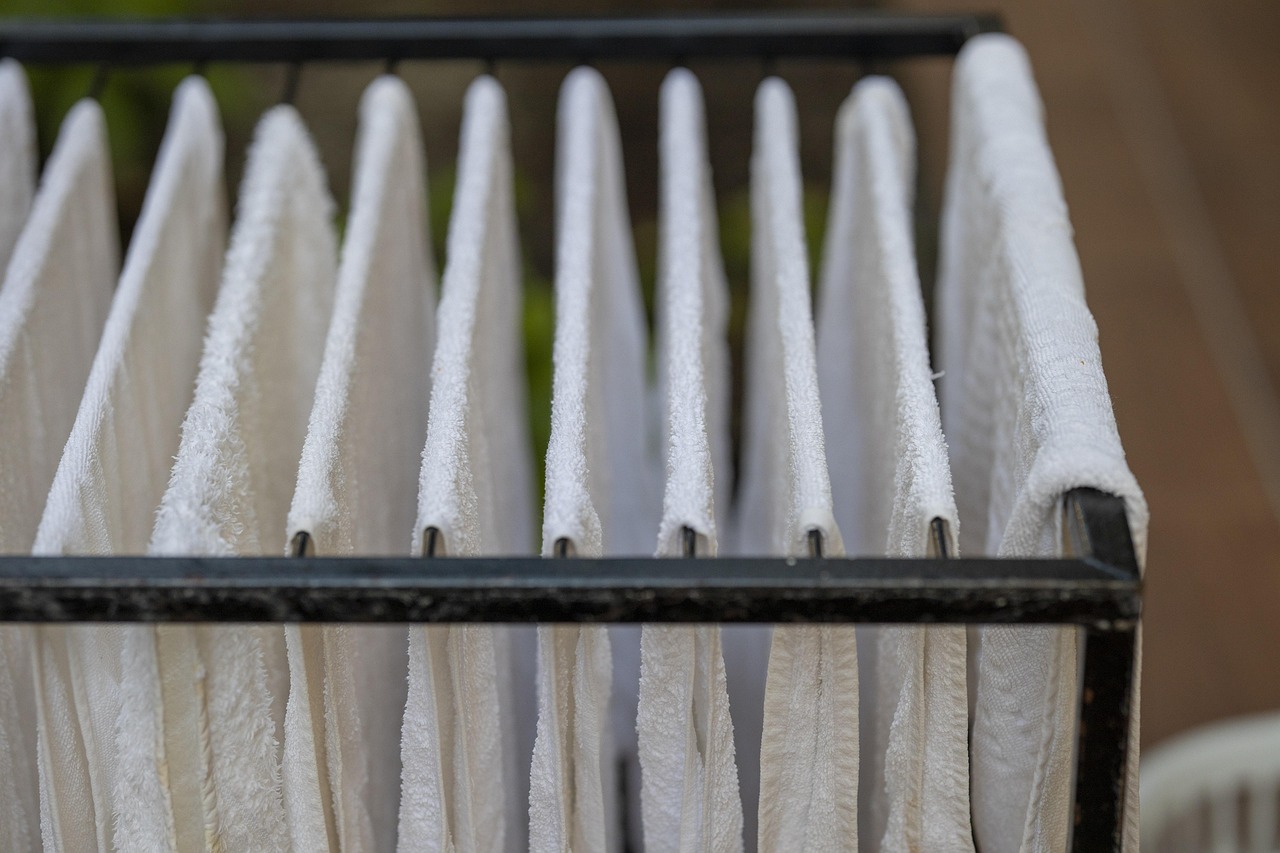
Daily housekeeping. This is the big one. Rooms are increasingly cleaned on request rather than by default, with fewer towels stocked at the start of the stay. Properties that used to bundle breakfast, daily service and towel changes into the base rate now treat those as options.
Why hotels did it, honestly
The uncomfortable answer is that guests let them.
Smaller rooms have not damaged guest satisfaction scores. In many cases the scores went up, because the money saved on square footage went into better beds, better showers and better lobbies. Hotel owners worked out that space creates value in a hotel, and increasingly not inside the guest room. A 12 square metre room with a good mattress and a proper shower scores better than an 18 square metre room with a sagging bed and a bathtub nobody uses.
Housekeeping is a different story. Housekeeping is the single largest controllable labour line in hotel operations, and cutting service frequency drops cost immediately without touching the advertised rate. It is the cleanest margin lever in the business, which is exactly why it got pulled.
And the unbundling has a logic that is genuinely hard to argue with in isolation. If breakfast is included in every rate, the guests who skip breakfast subsidise the guests who eat it. Charging separately is arguably fairer. It also happens to make the headline rate look lower in a search results page, which is not a coincidence.

The part that is not defensible
Here is where it stops being reasonable. Every one of those cuts happened while rates went up, and almost none of them showed up in the booking flow.
You can compare two hotels on price, star rating, location and review score in about fifteen seconds. You cannot compare them on whether the room has a closet, whether housekeeping runs daily, how many towels you get, or whether breakfast that used to be included now costs 22 dollars. Those facts exist, but they are buried in room descriptions, policy pages and the sixth paragraph of a review from four months ago.
A price comparison only works when the thing being compared is the same. Shrinkflation works precisely because it makes two rates look identical when the stays are not.
This is the same gap that made us build Best. The hotel industry is very good at charging you more in ways the comparison screen cannot see. Cashback is one of the few mechanisms that runs the other direction and shows up as a number you can actually count.
What to check before you book in 2026
Five things, and they take about two minutes.
Room size in square metres or square feet. It is usually listed in the room details. Under 14 square metres, plan for a suitcase on the bed. Under 11, plan for a suitcase in the corridor of your own room.
Housekeeping frequency. Search the property policy page for the word housekeeping. If it says on request, it means on request. Some properties will do daily service if you ask at check-in, at no charge, but you have to ask.
Whether breakfast is included and what it costs if not. A 24 dollar breakfast for two people over four nights is 192 dollars, which is more than the rate difference you were optimising against.
Parking and resort fees. Neither is new, but both have been quietly climbing while attention went to the room.
Recent reviews filtered to the last three months. Shrinkflation shows up in reviews before it shows up anywhere official. If four separate people mention towels or cleaning in the last quarter, believe them.

Where the value actually moved
It is worth being fair about this, because the story is not only extraction.
Beds are better than they were ten years ago, across every tier. Showers are better. Wi-fi is dramatically better and is now free in places that used to charge 18 dollars a day for it. Lobbies have turned into usable spaces rather than corridors with sofas. Check-in friction has largely gone.
The trade the industry made was space and service for quality and convenience. For a two night city stay, that trade is fine and arguably good. For a week-long stay with a family and luggage, it is a straight downgrade that you paid more for.
Which is the real lesson. Shrinkflation has not made hotels worse. It has made hotels much more specialised, while the booking process still presents them as interchangeable.
What we do with this at Best
We cannot make hotels put closets back. What we can do is make the price you pay reflect something closer to what the stay is worth. Ten percent cashback on a 190 dollar room is 19 dollars back, which is a breakfast for two at the property that stopped including it.
Not a fix for shrinkflation. But it is money moving in the direction of the person who paid for the room, which is more than most of the industry can say.
Common questions about hotel shrinkflation
What is hotel shrinkflation?
Charging the same or higher room rates while reducing what the rate includes. Common examples in 2026 include smaller rooms, removed closets and minibars, housekeeping on request instead of daily, fewer towels, and breakfast unbundled from the base rate.
Why do hotels not clean rooms daily anymore?
Housekeeping is the largest controllable labour cost in hotel operations. Moving to on-request service cuts that cost immediately without changing the advertised rate. Most properties will still clean daily if you ask at check-in.
Are hotel rooms actually getting smaller?
Yes, particularly in new-build select-service properties. Budget rooms now routinely come in under 12 square metres, with closets and desks removed to keep the remaining space usable and cut cleaning time.
How do I avoid a shrinkflated hotel room?
Check the listed room size, search the property policy for housekeeping frequency, confirm whether breakfast is included, and read reviews filtered to the last three months. Those four checks catch most of it.
Is the guest experience actually worse?
Not uniformly. Beds, showers, wi-fi and lobbies have improved across every tier over the same period. The trade was space and service for quality and convenience, which suits short stays and penalises long ones.
Images: Hero of a modern hotel room via Pexels. Folded towels via Pixabay. Housekeeping cart via Pexels. Compact hotel room via Pixabay.