Madeira, Portugal: The Best Destination for 2026
Tripadvisor's #1 trending destination for 2026 isn't Bali or Barcelona. Hotels average $86 a night. Here's why Madeira deserves your attention.

Tripadvisor just named it the #1 trending destination for 2026. You probably think it's full of retirees. You're wrong.
Most people who hear "Madeira" picture golf courses and quiet afternoons. The kind of place their grandparents went to retire. But right now, in early 2026, something's shifted. The younger travelers have figured it out. The remote workers have figured it out. The food writers are moving in. And Tripadvisor ranked it the number one trending destination globally for this year.
We wanted to understand why. So we looked at the numbers, the timing, and the actual experience on the ground. Here's what we found.

The Numbers Tell a Story
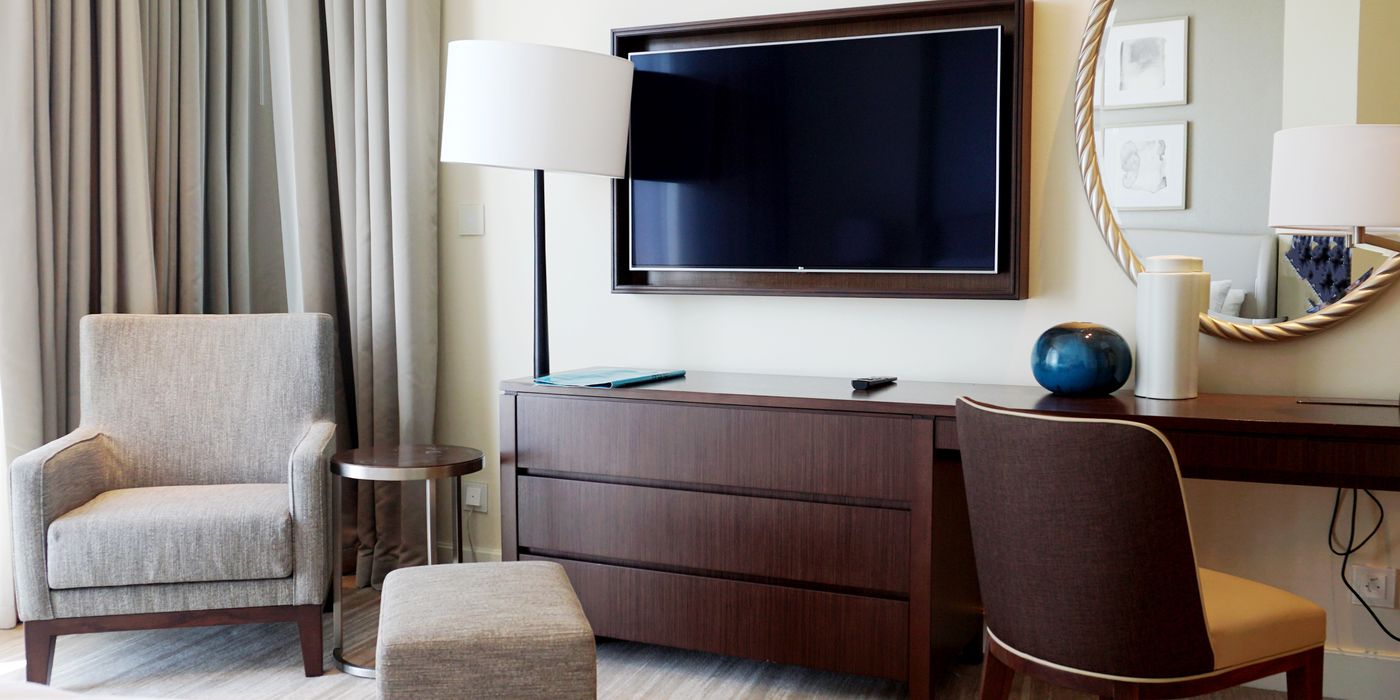
Hotels in Madeira average $86 per night right now. That's the full portfolio, from backpacker beds to luxury suites. Break it down further and the picture gets clearer. Budget hotels run about $54 per night. Mid-range properties sit around $86. Luxury hotels climb to $162 per night. The real premium tier, your 5-star experiences, starts at $220 and up.
For comparison, this makes Madeira cheaper than most of Western Europe. Barcelona's hotels average $95 per night. Lisbon's go higher. Even more telling, US-to-Europe travel demand is down 11% compared to last year. That means fewer American tourists competing for rooms, which means better deals if you know where to look.
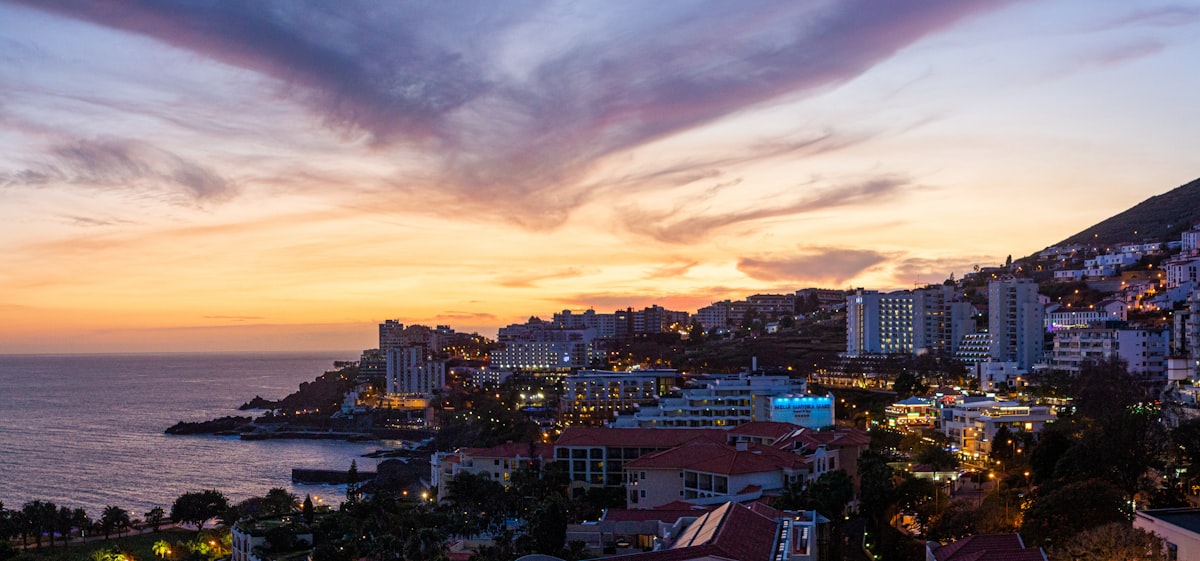
Funchal, the capital, does command a premium. Hotels in the Marina area run about 50% above the Madeira average, hitting $106 per night. But move two blocks inland and the prices drop immediately. Madeira has massive price variation depending on location and timing. Most travelers don't bother learning this, which is why they overpay.
Timing Is Everything This Year
January and February are the cheapest months to visit Madeira. November too. These three months offer the best rates for hotels. May, July, and August are the most expensive. If you can travel off-peak, you're looking at potential savings of 30-40% compared to summer travelers.
There's another timing factor that matters right now. As of April 10, 2026, the EU's Entry/Exit System is replacing passport stamps. This is the new system for non-EU citizens entering Europe. If you're planning to visit Madeira soon, understand this change is live. It's fast and digital, but the logistics matter if you're traveling from the US or other non-EU countries.
Spring is actually an ideal time to go. You miss the summer crush, you get pleasant weather, and you get better hotel rates. April through June offers a real sweet spot for American travelers.
Why It's Not Your Grandparents' Madeira
The real story isn't retirement. It's the work-from-anywhere crowd. Madeira has become a serious base for remote workers. The internet is solid. The timezone is manageable for both US and European meetings. Coffee culture is legitimate now. And the cost of living means you can live well without burning through savings.
Add the food scene. Madeira's restaurant world has transformed. Young chefs are moving to the island. Local produce and seafood matter here in a way they don't in places with more tourism. You're getting restaurant-quality food at coffee-shop prices.
Then there's the physical environment. Hiking trails that rival anywhere in Southern Europe. Weather that stays pleasant year-round. Ocean access. No language barrier for English speakers. It checks boxes that digital nomads and remote workers explicitly look for.
The Hotel Pricing Reality
Hotels profit heavily from business travel. Industry data shows that 70-80% of hotel profit comes from business travelers, often on corporate accounts where price isn't the constraint. The remaining 20-30% comes from leisure travelers, and that's where markup gets aggressive.
This is why booking matters. When you book through a major platform, you're usually seeing the leisure price. That's the price designed to capture maximum margin from travelers spending their own money. Smarter travelers use cashback booking platforms like Best (best.so) to recover a percentage of what they're paying. If a hotel in Funchal Marina costs $106 per night, and you're getting 2-5% back in cashback rewards, you're actually paying $100-103 for that same room. Across a week-long trip, that's real money.
The arbitrage exists because hotels accept the revenue even with cashback built in. They've already accounted for it in their pricing. What matters is whether you capture that difference or leave it on the table.
What's Actually Worth Doing
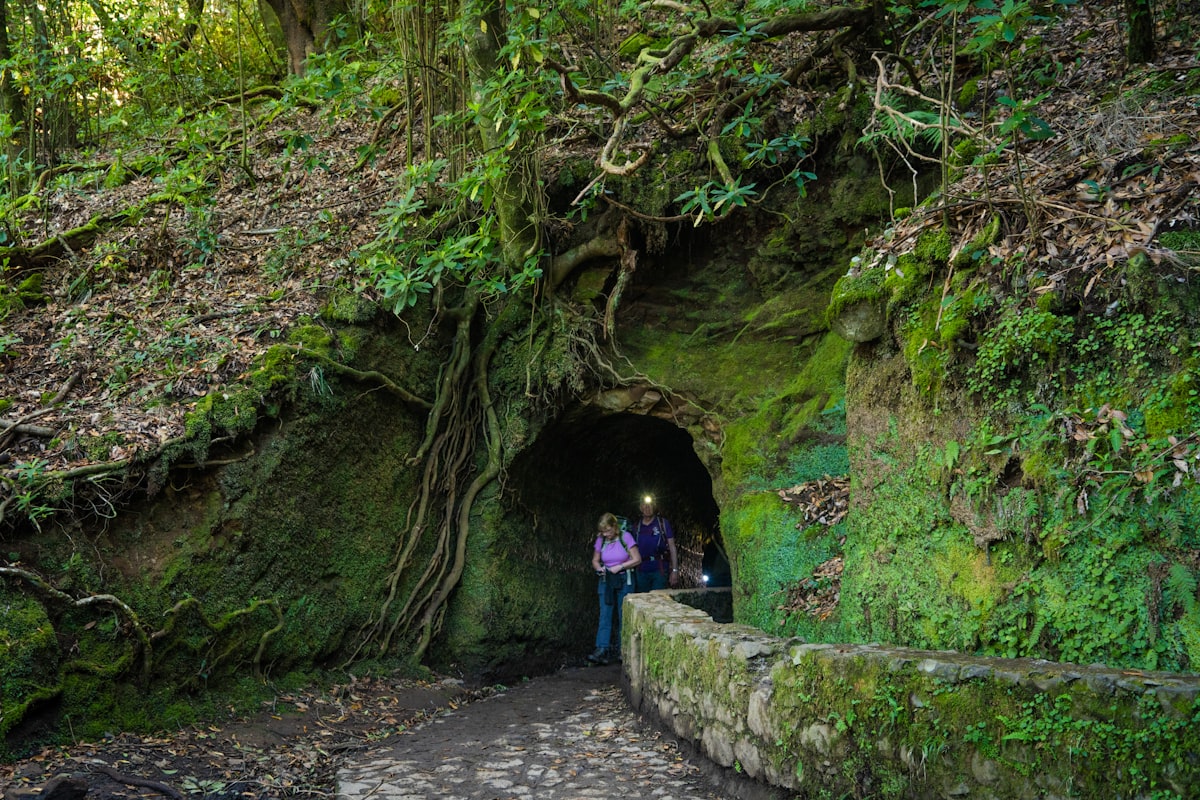
Madeira's appeal to younger travelers comes down to specific experiences. The hiking is real. Pico do Arieiro and Pico Ruivo are proper mountains with proper views. Not scenic walks. Not Instagram backdrops. Actual challenging hikes with significant payoff.
The food scene is concentrated but authentic. You're eating fresh fish caught that morning. You're eating local cuisine that hasn't been adapted for tourists. Prices stay low because the market here is locals and serious food travelers, not the theme-park tourists you find in Barcelona or Rome.
The reading-retreat crowd is also discovering Madeira. Expedia's 2026 trends identified "Readaways" as a growing category. These are trips focused on reading, relaxation, and doing very little. Madeira's quieter spots are perfect for this. Small hotels, minimal crowds, good coffee, and time to think. The cost structure makes it feasible to book a month instead of a week.
Historic buildings converted to hotels, what Expedia calls "Salvaged Stays," are popping up across Madeira. These converted quintas, estates, and historic properties offer character that chain hotels can't match. Often they're actually cheaper than modern equivalents because they're run by smaller operators.
The Practical Piece
Getting to Madeira from the US is straightforward. Fly to Lisbon, then a short 2.5-hour flight to Funchal. The airport is modern and efficient. You don't need a rental car if you're staying in Funchal, though one helps if you're exploring the island.
Accommodation outside Funchal Marina is genuinely affordable. Câmara de Lobos, about 15 minutes west of Funchal, has excellent hotels at $65-85 per night. Ponta do Sol, further west, sits in a quieter area and costs even less. São Vicente on the north coast is the reward if you want isolation with style.
The critical move is booking strategically. Madeira is trend-focused right now, which means prices will rise if Tripadvisor's ranking drives tourism up. The advantage exists now, in early 2026, while most travelers haven't moved yet. By mid-summer, that advantage may compress.
Spring is the window. April, May, June. Those months offer weather, manageable crowds, better rates than summer, and the EU Entry/Exit System is already in place so no surprises there.
The Cashback Opportunity
Because Madeira's hotel market is still price-sensitive, platform differences matter more than at saturated destinations. When you book a $600 hotel stay through Best, getting 3-5% back means $18-30 returned to you. Multiply that across several properties over a trip and it's meaningful money.
The psychology of booking also shifts. When you know you're getting cashback, you can justify staying somewhere nicer without guilt. A $110 room costs $105 after cashback. A $130 room costs $123 after cashback. Suddenly a slightly nicer place feels accessible.
This is the smart traveler's edge. Not booking cheap places. Booking smart, with cashback built in, which makes the nicer places actually attainable.
Questions You Actually Have
Is Madeira really cheaper than other European destinations?
Yes. Hotels average $86 per night compared to $95 in Barcelona or higher in most of Western Europe. Restaurants are cheaper. Local transport is cheaper. Your money stretches further.
Why is it trending now when it's been around forever?
Remote work went mainstream. Flight connections improved. Younger travelers started looking beyond obvious destinations. And the food and cultural scene genuinely improved. Tripadvisor's ranking reflects real momentum, not hype.
When should I book to get the best rates?
Right now is optimal. Early April through May offers good rates before summer demand kicks in. January-February and November are cheapest for future planning.
Do I need to speak Portuguese to get around?
No. English is widely spoken in tourist areas, hotels, and restaurants. Learning a few words of Portuguese goes a long way though.
Should I book through a hotel directly or a booking platform?
Platform booking through a cashback service like Best (best.so) makes financial sense. The smartest move is booking through a platform that returns cash to you.
Ready to book your Madeira trip? Use Best (best.so) to get cashback on hotel stays across Madeira. Every hotel booking returns a percentage directly to you. The smarter travelers already know this. Join them.
Published April 7, 2026. Best Team.
Images: Hero by Klara Kulikova. Volcanic coastline by Noah Grossenbacher. Rugged coast by Alex Figueiredo. Levada trail by an anonymous contributor. All via Unsplash, used under license.