Sardinia Is Up 63% This Year. Here Is What a Week Costs
Sardinia searches are up 63% this year. Real nightly rates by base, the best months to go, and how to keep a week under 2,000 euros.
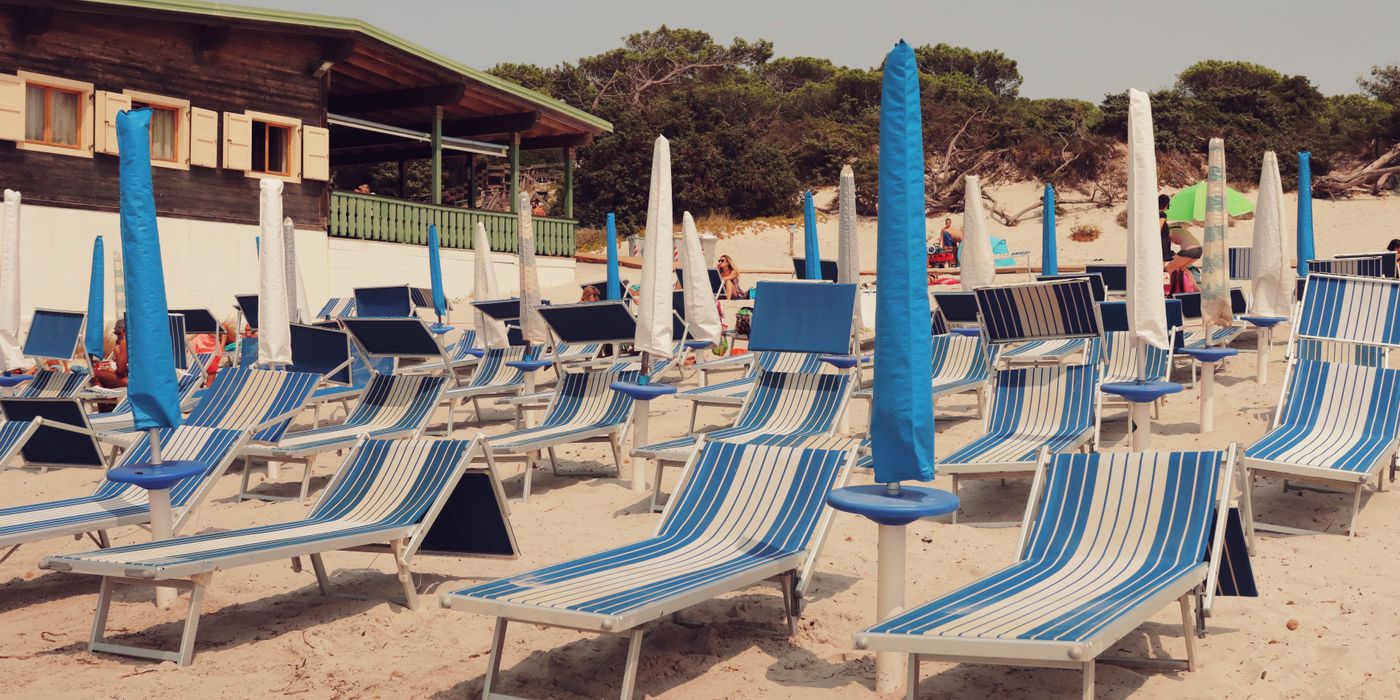
Sardinia searches are up 63% year over year, according to Expedia's 2026 trend data. That puts it near the top of the fastest-rising destinations in Europe, ahead of far louder names.
We find that number interesting for a specific reason. Sardinia is not a small island with one town and one beach. It is 24,000 square kilometres with wildly different pricing depending on which coast you land on. A week there can cost 1,200 euros or 6,000 euros, and the difference has almost nothing to do with how nice your trip is.
Here is the honest cost picture, where to base yourself, and when to go.
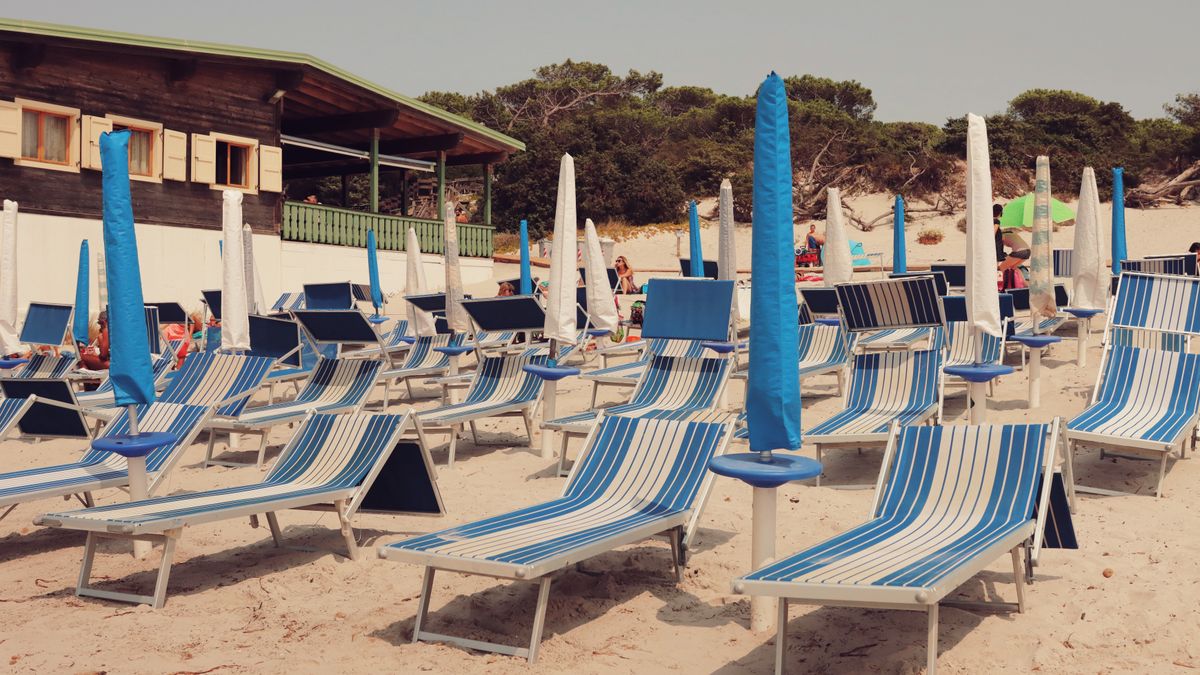
What a week in Sardinia actually costs in 2026
A mid-range week in Sardinia costs about 1,400 to 2,000 euros per person in shoulder season, including accommodation, food, a rental car, and activities. Peak August on the northeast coast runs closer to 3,500 euros and up.
The single biggest variable is accommodation, and the spread is enormous.
| Base | Nightly hotel rate | Character |
|---|---|---|
| Cagliari | 120 to 180 euros | Capital, hilltop old quarter, waterfront |
| Alghero | 120 to 180 euros | Catalan old town, long beach, walkable |
| Bosa | 70 to 110 euros | Small, colourful, river town, very quiet |
| Oristano | 65 to 100 euros | Working town, beaches nearby, few tourists |
| Costa Smeralda | 300 to 550 euros and up | Resort corridor, yachts, high season pricing |
Travellers who base themselves in Oristano, Bosa, or Nuoro pay roughly 30 to 50% less than those staying on the northeastern resort coast. Same island. Same sea. Different invoice.
Food is where Sardinia stays generous. A three-course dinner in Cagliari's historic centre or Alghero's Catalan quarter runs 25 to 30 euros. Coffee is around 1.20 euros standing at the bar. A rental car is 35 to 60 euros a day in shoulder season and closer to 90 in August.
Where to base yourself
Most people try to see the whole island in a week. Do not. Sardinia is bigger than it looks on a map, and the interior roads are slow in a way that is pleasant right up until it is not.
Pick one base, maybe two.
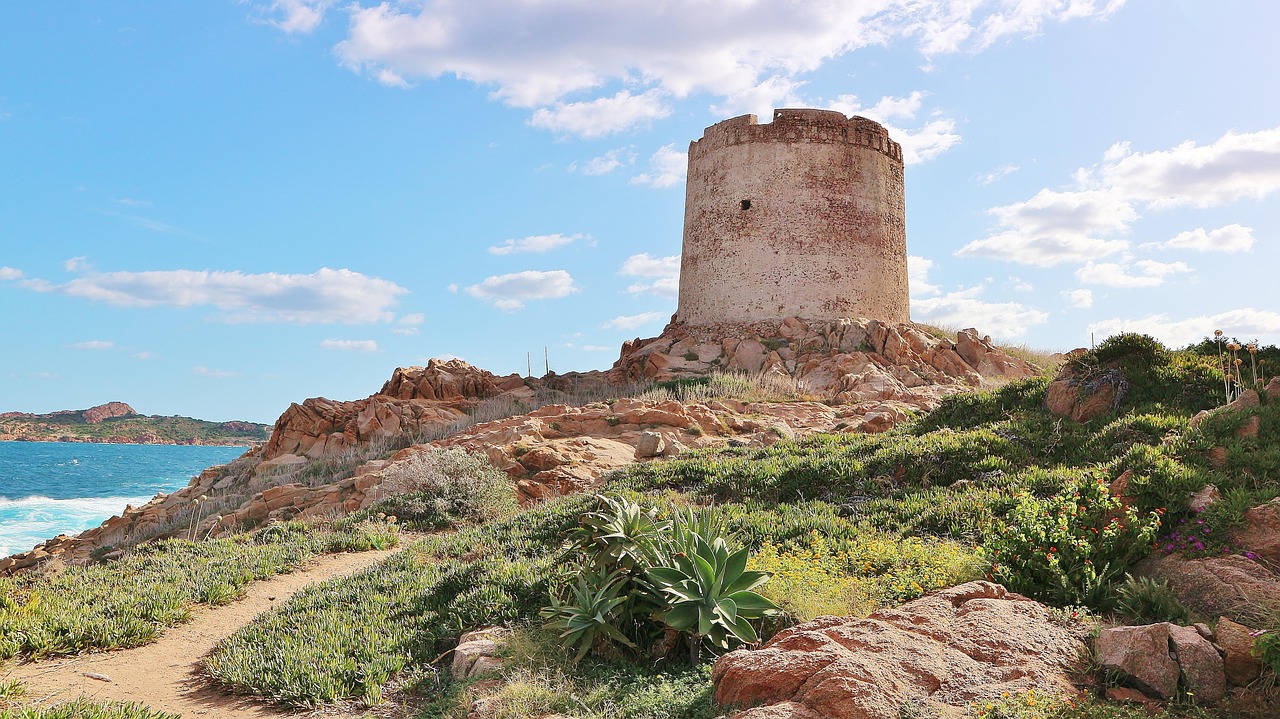
Alghero for a first trip
Alghero is the easiest place to like. The old town is Catalan, which is not a marketing line. Street signs are bilingual and the local dialect is closer to Barcelona than to Rome. You get sea walls, a long beach, real restaurants, and an airport 12 kilometres away.
It also works without a car, which matters more than people expect. Buses run to Bosa and Sassari, and the old town is small enough to cross in fifteen minutes.
Cagliari for a city trip with beaches
The capital sits in the south and is genuinely a city, not a resort town pretending to be one. Castello, the hilltop old quarter, is worth two slow evenings on its own. Poetto beach is a bus ride from the centre and runs for eight kilometres.
Cagliari has the best flight connections on the island and the widest hotel supply, which is why rates hold steadier here than on the coasts.
Bosa if you want the version people write home about
Bosa is a river town on the west coast with stacked pastel houses climbing toward a castle. It is small. There is not a great deal to do. That is the point.
Rooms run 70 to 110 euros in shoulder season, and the drive north to Alghero along the coast road is one of the best hours of road in Italy. Go slowly. There are goats.
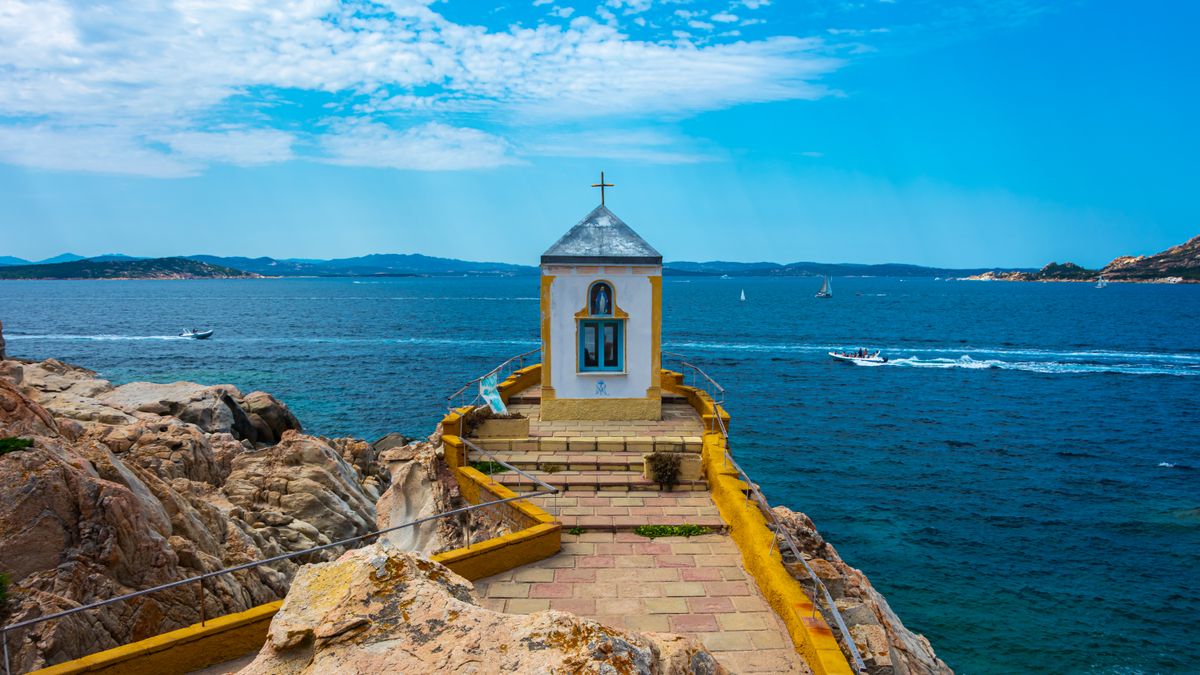
The Gulf of Orosei for the water
The east coast between Cala Gonone and Baunei has the beaches that end up on postcards. Cala Goloritze and Cala Mariolu are reachable by boat from Cala Gonone, and several require a permit or a guided hike.
Base in Cala Gonone or Dorgali. Book the boat the day before, not the morning of.
When to go, and what it saves you
Late May through June and September through early October are the strong windows. Warm sea, days that are hot without being punishing, and crowds that have either not arrived or already left.
September is the best single month if you care about swimming. The Mediterranean holds summer heat well into autumn, so the water in mid-September is warmer than in June.
November has the lowest prices of the year, with accommodation running 40 to 50% below peak. The trade-off is real. Many coastal businesses close, and the sea is no longer swimming temperature for most people.
August is the month to avoid unless you have no choice. Italian domestic holidays peak, the northeast coast fills, and rates on the Costa Smeralda double.
This is not only a Sardinia pattern. European autumn bookings among higher-spending travellers are up about 25% this year while summer bookings are down 10%. The shoulder season is no longer a secret, but it is still cheaper.
Things worth doing
Su Nuraxi di Barumini. A Bronze Age nuraghe complex and a UNESCO site. Sardinia has thousands of nuraghi and most travellers never see one. This is the one to see. Guided entry only, roughly 15 euros.
Neptune's Grotto near Alghero. Reach it by boat from Alghero port or by the Escala del Cabirol, a staircase of 654 steps cut into the cliff. Take the boat out and the stairs back if your knees allow.
The Cagliari fish market on a Saturday morning. San Benedetto is one of the largest covered markets in Italy. Go before 10am.
Eat pane carasau, culurgiones, and seadas. Sardinian food is its own thing, closer to shepherd cooking than to coastal Italian. Culurgiones are potato and mint filled pasta, and once you have had them fresh you will notice the frozen ones forever.
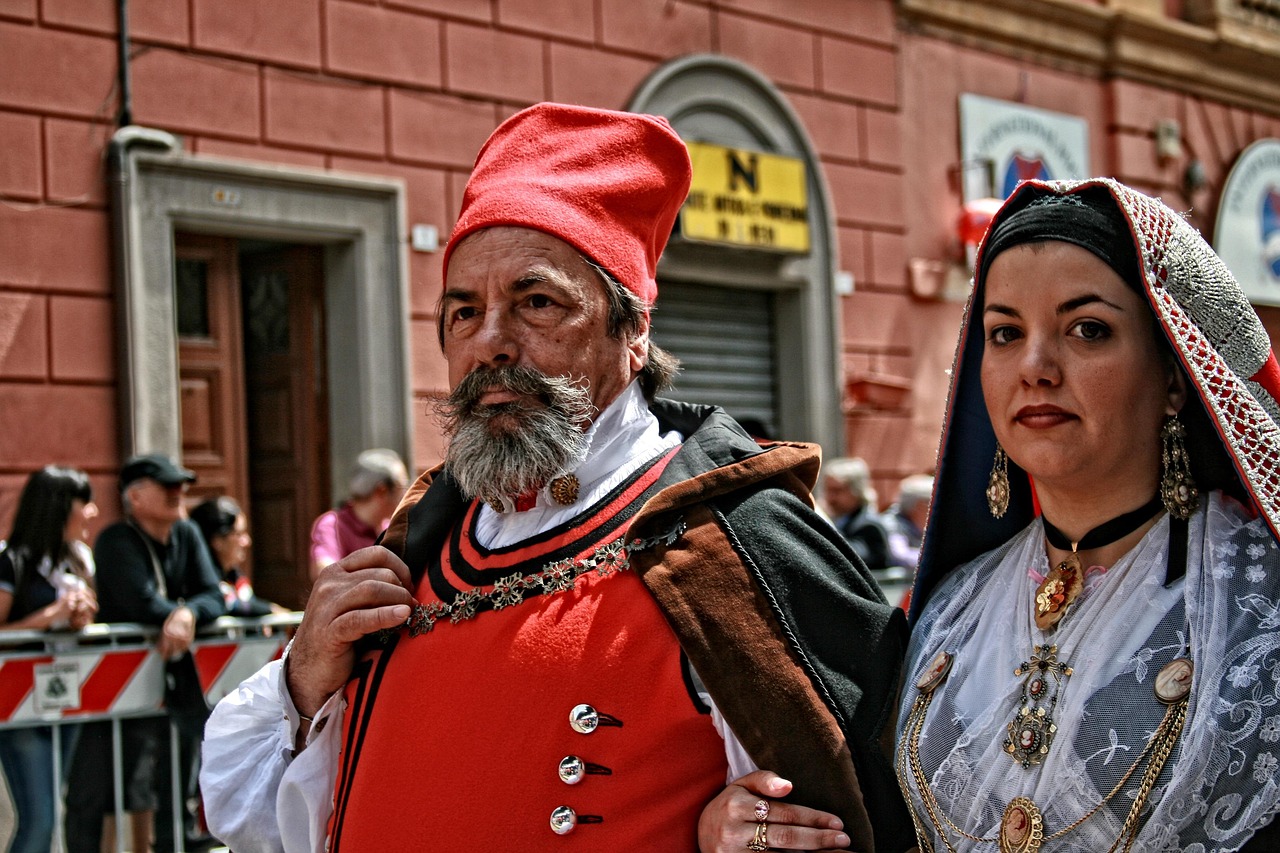
How to keep the cost down without ruining the trip
Three things move the number more than anything else.
Move your dates two weeks. Shifting from the second week of August to the second week of September cuts accommodation costs on the coasts by 40% or more, and the sea is warmer.
Base inland or west, drive east. A room in Oristano plus a rental car often costs less than a room alone near Porto Cervo, and you can reach most of the island in under two hours.
Get something back on the room. Hotel rates in Sardinia are set by the same revenue management systems used everywhere else, and they are not going to move for you. What you can control is what returns to you after you book. Booking through Best (best.so) puts 10% of the room rate back in your pocket. On seven nights at 150 euros, that is 105 euros returned, which covers the rental car for two days.
If you are weighing Sardinia against other Mediterranean options this year, our breakdown of what a Madeira trip really costs uses the same method, and our look at how hotel prices split by region this year explains why European rates behaved the way they did.
Common questions
How much does a week in Sardinia cost? Roughly 1,400 to 2,000 euros per person in shoulder season, covering accommodation, food, a rental car, and activities. August on the northeast coast runs 3,500 euros and up.
What is the cheapest area to stay in Sardinia? Oristano, Bosa, and the Nuoro area run 30 to 50% below the northeastern resort coast. Rooms in Bosa start around 70 euros in shoulder season.
Do you need a car in Sardinia? Not if you base in Alghero, Cagliari, or Olbia, which all work on foot and by bus. For the Gulf of Orosei, the west coast, or the interior, a car makes the difference between seeing three things and seeing ten.
When is the best time to visit Sardinia? Late May to June and September to early October. September has the warmest sea of the year and noticeably lower rates than August.
Is Sardinia expensive compared to mainland Italy? The northeast coast is among the most expensive stretches in Italy. The west, south, and interior are cheaper than Tuscany or the Amalfi Coast for comparable quality.
Images via Pexels and Pixabay, used under license.